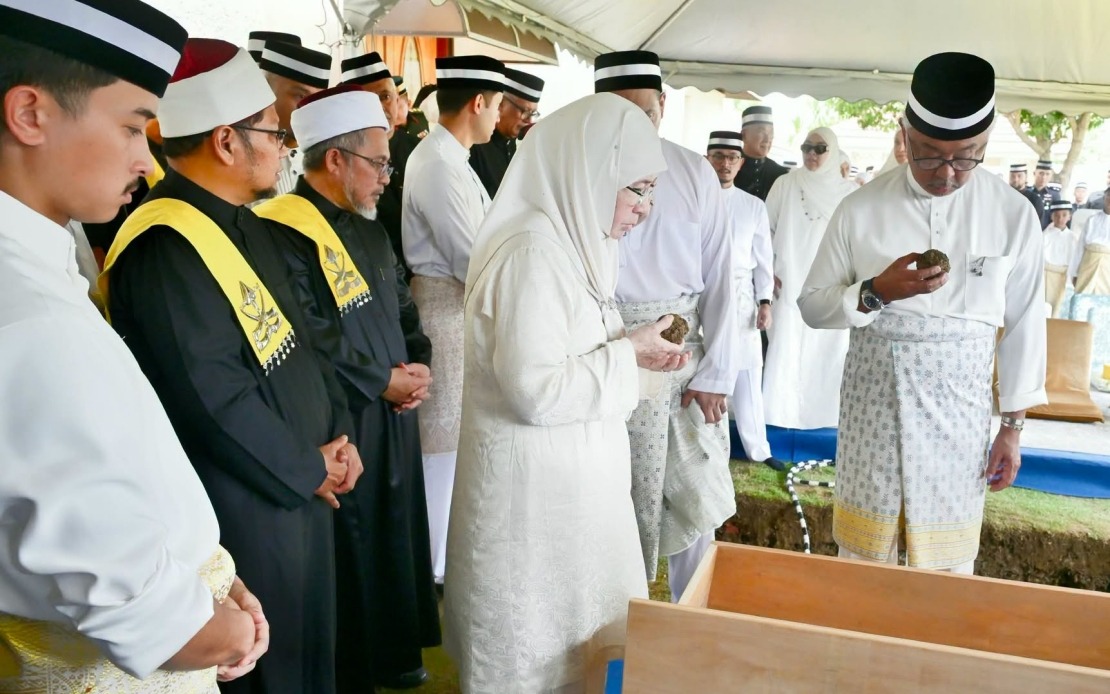
The Pahang royal household has entered a period of formal mourning following the passing of Tengku Puteri Seri Kemala Tengku Datuk Seri Aishah, elder sister to Sultan Al-Sultan Abdullah Ri'ayatuddin Al-Mustafa Billah Shah. The Sultan has directed all members of the Pahang royal family to observe three days of mourning, commencing on Wednesday and extending through Saturday, in accordance with royal protocol and Islamic tradition.
Official notification came through Maj Gen Datuk Mohamed Zahari Yahya, the Comptroller of the Royal Household of the Sultan of Pahang, who outlined the specific observances required during this period. The directive represents a formal expression of grief and respect within the royal household, signalling the significance of the late Tengku Puteri's position within the state's ruling family.
During the mourning period, members of the royal family are expected to wear white garments as a mark of respect. Male family members face additional requirements, adhering to specific dress codes that emphasize the solemnity of the occasion. These practices reflect longstanding royal customs and Islamic observances, underscoring the cultural and religious dimensions of the mourning process within Malaysian royal circles.
Tengku Puteri Seri Kemala passed away at a private hospital in Kuala Lumpur at 9:15 pm on Wednesday evening. Following her death, funeral arrangements proceeded according to royal and Islamic protocols, with the late Tengku Puteri being interred at the Royal Mausoleum in Pekan on the same day. The swift completion of burial arrangements honours both Islamic funeral customs requiring prompt internment and royal traditions governing state funeral procedures.
The loss has been particularly felt by Sultan Al-Sultan Abdullah and his consort, Tengku Ampuan of Pahang Tunku Azizah Aminah Maimunah Iskandariah, with whom Tengku Puteri maintained close family bonds. As an elder sibling, she held a significant position within the royal household, and her passing represents a meaningful generational loss for the reigning Sultan and the broader Pahang royal institution.
Beyond the immediate royal family, the Comptroller's statement extended condolences to the wider Pahang community, recognizing that the late Tengku Puteri's death holds meaning for the state and its residents. The royal household appealed to the people of Pahang to recite Al-Fatihah, a Quranic chapter traditionally recited for the deceased, and to offer prayers on behalf of Tengku Puteri's soul, seeking divine forgiveness and mercy.
This public invitation for community participation in the mourning process reflects the interconnected nature of royal and civic life in Malaysian states. The people of Pahang are being invited to join in spiritual remembrance, transforming individual royal grief into a collective expression of respect and religious devotion. Such gestures reinforce the bonds between the institution of the sultanate and the subjects it represents.
The three-day mourning period serves multiple purposes within Pahang's institutional framework. It provides time for state officials, dignitaries, and citizens to pay their respects while allowing the royal family space to process their loss within a structured, dignified timeframe. The formal observance also demonstrates continuity in royal protocols and the enduring importance of ceremonial practices in maintaining institutional stability and public confidence.
Mourning practices within Malaysian royal families carry both symbolic and spiritual weight, drawing from Islamic teachings and Malay-Muslim cultural traditions. The requirement for white clothing, the specification of mourning duration, and the invitation for community prayer reflect a deliberate integration of religious practice with royal custom, reinforcing shared values across social and institutional hierarchies.

