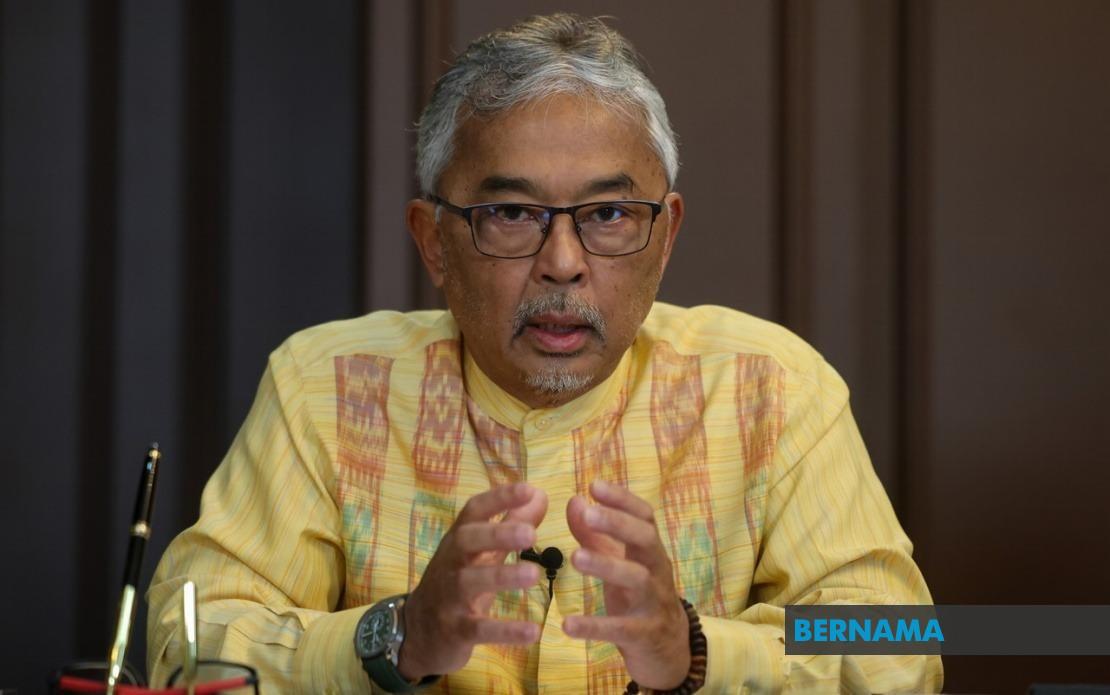
The Sultan of Pahang, Al-Sultan Abdullah Ri'ayatuddin Al-Mustafa Billah Shah, has issued a directive requiring all local authorities throughout the state to conduct comprehensive inspections and evaluations of large and aged trees, particularly those situated in locations where they could endanger the public. The order reflects growing concern over tree-related incidents that have resulted in deaths and injuries, prompting a more systematic approach to arboricultural safety across Pahang's municipalities and local government areas.
According to the royal directive communicated through official channels, local authorities must prioritise assessments in high-traffic zones including public parks, roadside verges, residential neighbourhoods, and other areas with regular community activity. The Sultan emphasised that inspections should be conducted on a regular and thorough basis to identify trees exhibiting signs of structural deterioration or instability that might pose immediate threats to residents and visitors.
The timing of this directive underscores a critical gap in municipal tree management across Malaysian states. While cities like Kuala Lumpur have developed more sophisticated urban forestry protocols following high-profile incidents, many smaller municipalities have relied on reactive rather than proactive approaches. Pahang's directive represents an attempt to shift that paradigm by establishing preventative inspection frameworks before tragedies occur rather than implementing oversight measures in their aftermath.
Royal concern about the matter has been made explicit, with Al-Sultan Abdullah stressing that local authorities must avoid a complacent wait-and-see posture regarding tree hazards. The Sultan's language—cautioning against inaction until "untoward incidents" occur that could "threaten the safety and lives of the people"—signals that this is not a routine administrative matter but rather a priority intervention addressing a documented public health issue.
The directive carries implicit expectations that local authorities will follow through with immediate remedial actions once hazardous trees are identified. This means not merely documenting problematic vegetation but establishing clear protocols for removal, pruning, or other mitigation measures. The Sultan's insistence on prompt follow-up action suggests frustration with previous delays in implementation, a common complaint in Malaysian municipal governance where bureaucratic procedures often slow response times to identified risks.
For Malaysian readers, particularly those in Pahang, this development carries practical significance. Fallen trees remain a seasonal hazard, particularly during monsoon periods when wind and waterlogged soil compromise root systems. Recent years have seen several fatal incidents across the country where large branches or entire trees have collapsed onto vehicles or pedestrians. By establishing a formalised inspection regime, Pahang authorities aim to reduce such occurrences through early detection of trees exhibiting signs of disease, structural weakness, or root compromise.
The broader context involves rising urbanisation and ageing infrastructure across Southeast Asia. Many trees lining Malaysian roads and public spaces were planted decades ago and are reaching the end of their natural lifecycles. Without systematic assessment programmes, municipalities risk managing crises reactively—deploying resources only after incidents occur—rather than strategically removing or treating compromised vegetation before it poses danger. Pahang's approach, if effectively implemented, could serve as a model for other Malaysian states facing similar challenges.
Local authority coordination will be essential for success. In Pahang, multiple PBTs operate across different municipal zones, and without unified standards and timelines, implementation could prove inconsistent. The Sultan's directive appears aimed at creating state-wide momentum to overcome such fragmentation, with the implicit understanding that royal emphasis carries considerable weight in Malaysian administrative contexts.
The economic implications merit consideration as well. While comprehensive tree inspections and removal programmes require budgetary allocation, the costs pale beside potential liability exposures from preventable incidents. Municipalities that fail to maintain reasonable tree safety standards can face legal claims from injured parties or families of deceased victims. From this perspective, proactive inspection represents cost-effective risk management rather than merely an environmental or public health measure.
Implementation challenges will likely emerge. Local authorities may struggle to secure sufficient arboriculture expertise for detailed assessments, particularly in rural areas where specialist knowledge is scarce. Training programmes and technical support from state-level forestry departments may be required to ensure inspections meet appropriate standards. Additionally, funding for removal and treatment of hazardous trees could become a constraint, potentially limiting the pace at which identified problems are addressed.
The Sultan's framing of the initiative emphasises prevention and early intervention—concepts that require cultural shifts within municipal bureaucracies traditionally oriented toward reactive management. Success will depend on whether local authorities internalise the directive as a genuine priority or treat it as another administrative checklist item. The royal imprimatur suggests the former, but converting that signal into sustained operational change across multiple municipal jurisdictions remains a substantial undertaking.
For residents and property owners in Pahang, the directive should prompt greater attention to trees on their own properties. While local authorities bear responsibility for public spaces, homeowners remain liable for trees situated on their land that cause injury or damage. The Sultan's emphasis on early identification of hazardous vegetation implicitly extends to private property management as well, suggesting a state-wide cultural shift toward greater arboricultural awareness and responsibility.

