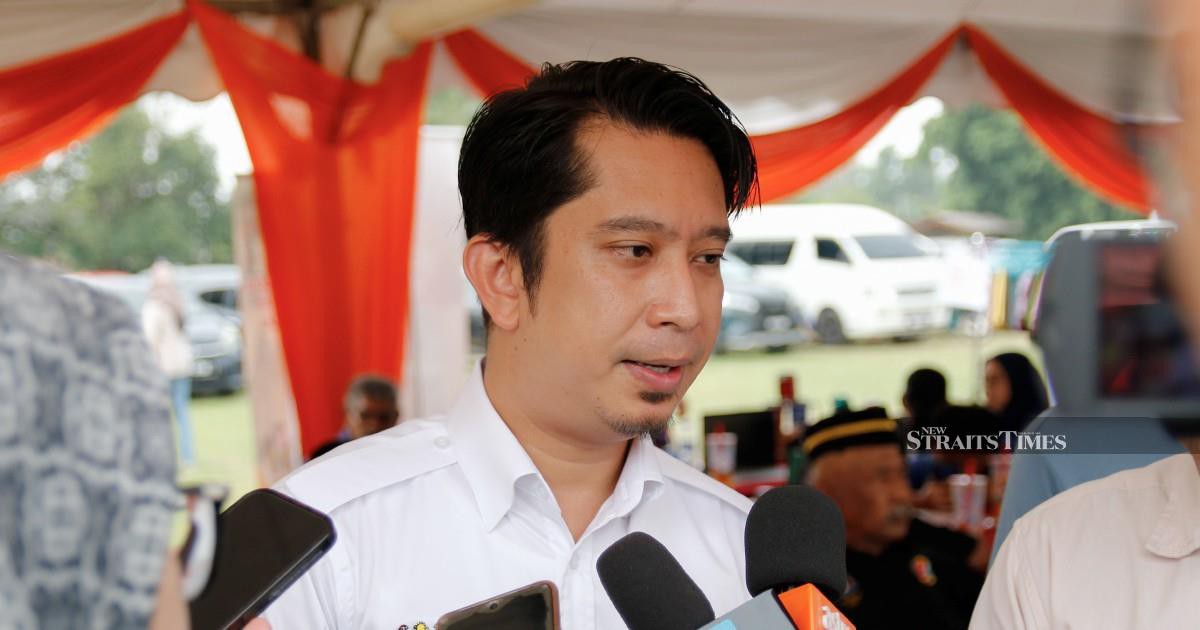
The prospect of formal negotiations between Pakatan Harapan and Barisan Nasional on joint electoral arrangements for the upcoming Melaka state election remains in limbo, with no concrete talks scheduled or underway at present. This assessment comes directly from state PKR chief Adam Adli Abdul Halim, who indicated that discussions between the two major coalition blocs have yet to progress beyond preliminary, informal exchanges.
The absence of formal negotiations at this stage underscores the delicate political positioning both coalitions must navigate ahead of the Melaka poll. Despite years of on-and-off cooperation between various factions within these blocs—most notably during the federal government formation period—translating that experience into concrete electoral cooperation agreements remains fraught with procedural and strategic complications. The requirement for formal structures and documented agreements means that any cooperation must clear multiple approval layers within each coalition's leadership hierarchy.
For Pakatan Harapan, the dynamic is particularly complex given the coalition's composition of ideologically diverse parties including PKR, DAP, and Amanah. Each party brings distinct constituency concerns and electoral calculations to the table, making unified decision-making inherently slower than bilateral negotiations would be. The lack of formal talks suggests these parties are still calibrating their individual positions and cannot yet speak with a single negotiating voice.
Barisan Nasional's position introduces additional complexity. The coalition has undergone significant transformation in recent years, with UMNO reasserting dominance following the 2022 general election and realignment of various component parties. This internal recalibration means BN may still be consolidating its own electoral strategy before engaging substantively with external partners. The coalition's recent electoral performance fluctuations in various state contests have also prompted strategic reassessment within its ranks.
Melaka's particular importance in this negotiation calculus cannot be understated. The state holds symbolic significance as a bellwether of political sentiment in peninsular Malaysia and remains contested territory where both blocs have achieved electoral success in recent cycles. The 2022 state election saw a complex outcome requiring post-election coalition-building, creating institutional memory of cooperation possibilities and complications that will inevitably shape current deliberations.
The timing of Adam Adli's statement also carries significance. By publicly confirming the absence of formal negotiations, PKR may be strategically signalling openness to such discussions while simultaneously managing internal party expectations. This transparency about the negotiation status allows party members to understand that cooperative arrangements—if they materialise—will be subject to formal deliberation rather than backroom deals, potentially addressing concerns about party autonomy and democratic decision-making processes.
From a Malaysian political perspective, the distinction between formal and informal discussions carries practical weight. Informal exchanges allow coalition partners to test positions, identify potential fault lines, and gauge appetite for cooperation without committing to binding frameworks. These preliminary conversations may be occurring through various channels—high-level party leadership meetings, backbench communications, or civil society intermediaries—even as formal negotiating committees remain unactivated.
For Southeast Asian observers monitoring Malaysia's political trajectory, this extended pre-negotiation phase reflects the region's broader trend toward coalition politics. Unlike established two-party systems, multi-coalition environments in Malaysia, Thailand, and Indonesia require elaborate consensus-building mechanisms before binding agreements can be finalised. The Melaka situation exemplifies how coalition formation in such environments operates across multiple sequential phases rather than in single, rapid transactions.
The potential cooperation between PH and BN carries implications beyond Melaka's borders. Any framework agreed upon for state-level coordination could establish precedents applicable to future federal election scenarios or other state contests. This reality likely explains measured pace of formal negotiations—coalition leaders recognise they are establishing patterns with longer-term consequences and therefore proceed cautiously rather than expediently.
Adam Adli's statement should be interpreted within the broader context of PKR's recent political positioning. As the coalition's largest party by several metrics, PKR's stance shapes PH's overall negotiating posture. By emphasising that formal talks have not commenced, the PKR chief preserves flexibility for his party to adjust course if internal discussions with DAP and Amanah reveal conflicting preferences or if BN demonstrates reluctance to engage on terms acceptable to PH's base.
The road toward formalised negotiations, should it materialise, will require each coalition to internally resolve several contentious matters. Coalition allocation of seats, determination of which party fields candidates in contested constituencies, and mechanisms for managing campaign messaging across potentially contradictory political platforms all present negotiating hurdles that cannot be overcome without structured processes.
Looking ahead, the extended informal phase preceding formal negotiations may actually prove beneficial for both blocs. Extended preliminary discussions allow parties to educate their grassroots supporters about rationales for cooperation, reducing potential backlash when formal agreements are announced. For Malaysian voters and political observers, the absence of formal PH-BN negotiations currently means Melaka's electoral contest remains genuinely competitive and unpredictable rather than predetermined by coalition backroom arrangements.

