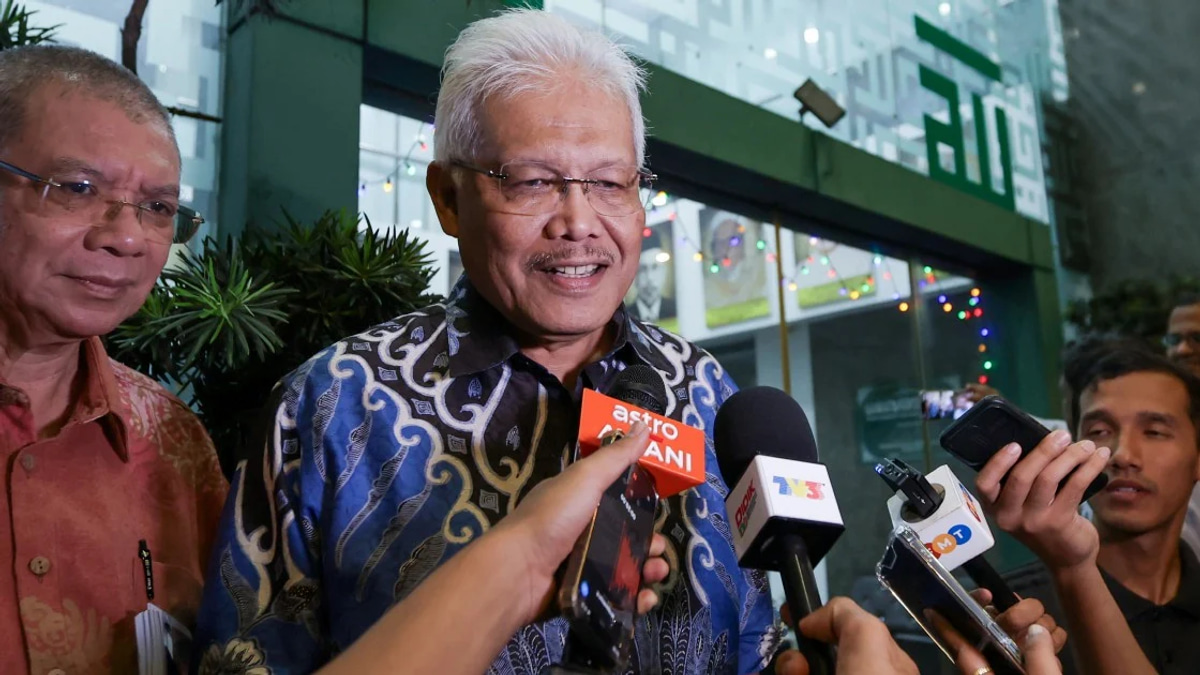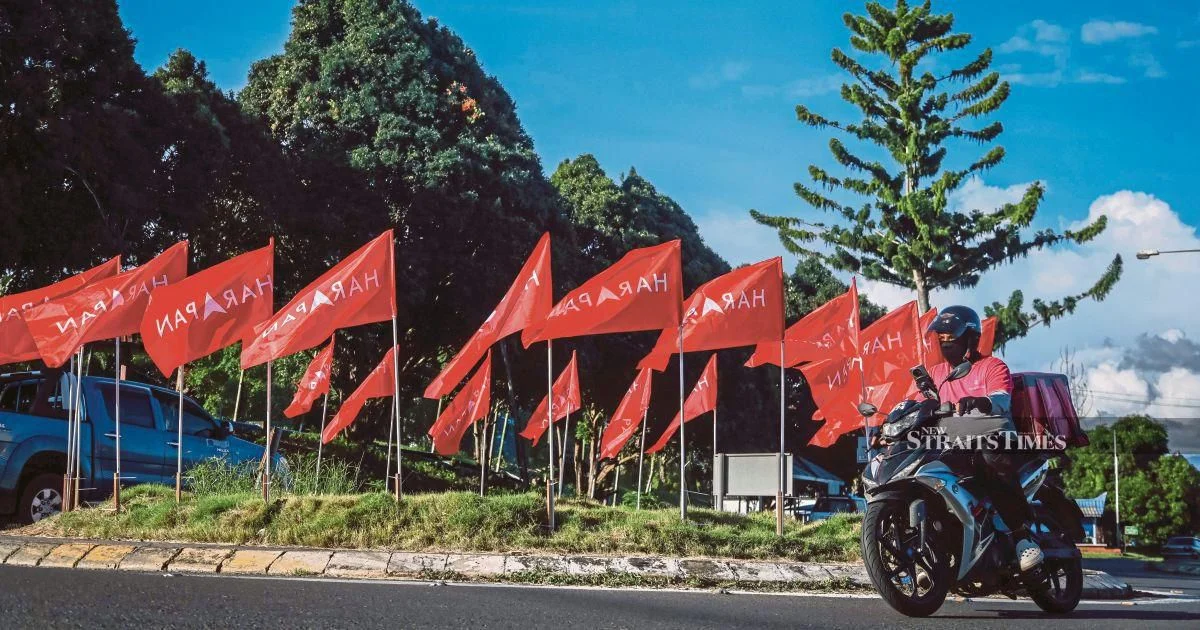
Pakatan Harapan appears determined to maintain control over the timing and circumstances of its menteri besar selection process for the 16th Johor state election, flatly rejecting suggestions that it should accelerate the naming of a frontrunner candidate merely to appease political opponents. Party leaders gathered in Johor Baru made clear that internal deliberations would proceed on the coalition's own schedule, unbothered by external pressure or competitive posturing from rival blocs seeking to force an early reveal.
The stance reflects a calculated political approach increasingly common among Malaysian governing coalitions. By declining to anoint a candidate prematurely, Pakatan Harapan preserves operational flexibility, allowing leadership to assess ground conditions, gauge public sentiment, and evaluate potential contenders without external constraints. This measured strategy contrasts sharply with the political theatre opponents hope to manufacture by demanding immediate announcements—a tactic designed to create headlines, provoke errors, or expose internal divisions within the ruling coalition.
Johor represents one of Malaysia's most politically significant states, home to nearly two million people and historically a stronghold of competing power blocs. The 16th state election carries considerable weight beyond state boundaries, potentially influencing federal political calculations and regional power dynamics. As such, decisions about who represents Pakatan Harapan in the chief minister race receive intense scrutiny from party divisions, component parties, and rival coalitions equally invested in the outcome.
The coalition's public reluctance to name a poster boy reflects deeper internal complexities. Pakatan Harapan comprises multiple parties with distinct constituencies, demographic bases, and strategic ambitions. Announcing a single candidate too early could alienate factions believing themselves overlooked or undervalued, potentially triggering recriminations that weaken campaign momentum. By maintaining suspense, the coalition buys time to build consensus, negotiate power-sharing arrangements, and ensure all major players feel adequately compensated for their cooperation and electoral contributions.
Opposition parties, naturally, pursue a contrary strategy. Demanding early candidate declarations serves multiple functions: it attempts to lock Pakatan Harapan into potentially unpopular choices, creates opportunities to launch negative campaigns targeting named individuals, and seeks to expose disagreements between coalition partners about preferred candidates. When rivals cannot extract concessions through public pressure, they pivot toward other campaign tactics, though their initial objective of forcing premature announcements has failed.
Historically, Malaysian state elections have demonstrated that timing candidate announcements strategically can affect electoral outcomes. Candidates introduced too early face prolonged opposition attacks and voter fatigue, while those unveiled closer to polling day benefit from heightened media attention, fresher public impressions, and reduced time for opponents to deploy negative narratives. Pakatan Harapan's approach aligns with this demonstrated preference, suggesting party strategists believe late-stage candidate revelation offers tactical advantages outweighing benefits of early disclosure.
The Johor electorate itself comprises diverse constituencies spanning urban centres, manufacturing zones, agricultural regions, and developing suburbs. Different areas prioritise distinct policy agendas—economic development, employment generation, education, healthcare infrastructure, and environmental concerns all feature prominently in voter priorities. The menteri besar candidate must credibly address these multifaceted demands, suggesting Pakatan Harapan's deliberative process involves assessing which potential candidates resonate most powerfully across this geographic and demographic spectrum.
Political observers note that Pakatan Harapan's confidence in resisting external pressure partially stems from its current governing position both federally and in several major states. Unlike opposition coalitions lacking direct executive responsibility, ruling blocs can deploy government machinery, bureaucratic resources, and policy announcements as campaign tools, reducing their dependence on early candidate revelations to energise supporters. This asymmetrical advantage allows the coalition to operate according to internal schedules rather than reactive external timetables.
Regionally, Johor's political complexion intersects with broader Malaysian trajectories. The state has historically alternated between ruling coalitions, sometimes moving in directions contrary to federal government preferences. A Pakatan Harapan menteri besar would represent consolidation of the coalition's national electoral mandate into state-level governance, potentially strengthening its overall political position. Conversely, opposition gains would puncture narratives of comprehensive ruling coalition dominance and provide alternative power bases for political rivals.
The coalition's refusal to yield on candidate timing also sends internal messaging—reassuring party members that leadership operates autonomously, uncowed by opposition manoeuvres, and confident enough to maintain strategic discretion. This posture bolsters party morale and demonstrates decisiveness to grassroots supporters who might otherwise question whether Pakatan Harapan leadership possesses the political acumen to govern effectively under pressure.
Moving forward, the menteri besar selection will likely emerge through internal party machinery and coalition negotiations rather than public announcements triggered by external demands. This approach allows Pakatan Harapan to control the narrative surrounding its candidate, frame the selection through its preferred messaging, and prevent opponents from shaping early public perceptions of whoever ultimately receives the nomination. For Malaysian political watchers, the eventual announcement will carry significance precisely because it represents coalition decision-making conducted according to internal logic rather than external manipulation.
The broader significance extends beyond Johor specifically. Political coalitions throughout Southeast Asia increasingly recognise that maintaining operational autonomy over crucial decisions—including candidate selection timing—preserves strategic options and prevents rivals from dictating political calendars. Pakatan Harapan's firm stance suggests this principle now shapes mainstream Malaysian political practice, with governing coalitions determined to master their own decision-making schedules regardless of opposition pressure.