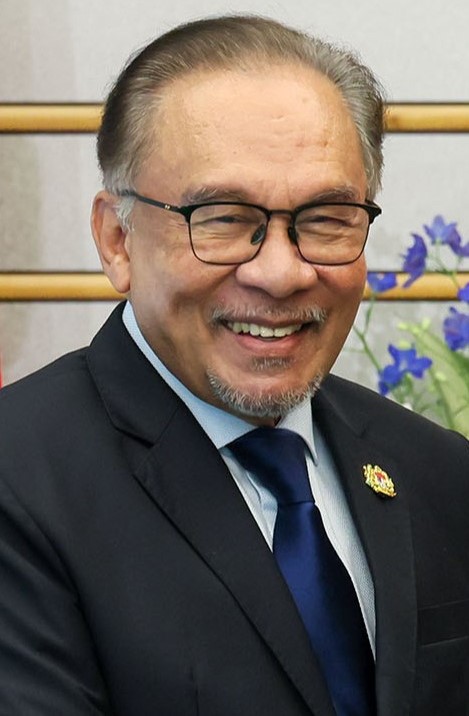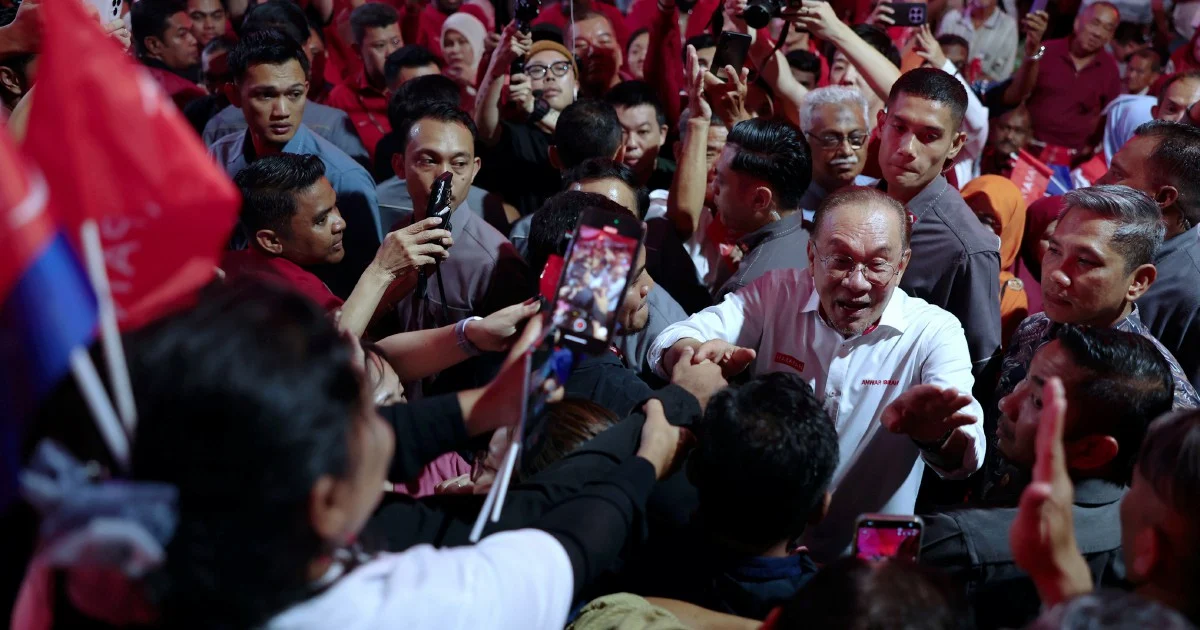
Pakatan Harapan took a decisive step in its quest for control of Johor by unveiling its complete roster of 56 candidates for the state election scheduled for July 11, with coalition chairman Datuk Seri Anwar Ibrahim leading the announcement in Tangkak. The move represents a full mobilisation of PH's political machinery in the strategically important southern state, signalling confidence that the opposition coalition can translate voter dissatisfaction into tangible electoral gains across the 56 state assembly constituencies.
Johor holds particular significance in Malaysia's political landscape as one of the country's largest and most economically dynamic states. Control of the state government would provide Pakatan Harapan with substantial resources, administrative patronage, and a powerful platform for shaping regional development policies. For the ruling administration, retaining Johor represents far more than a routine electoral contest—it touches on questions of political legitimacy and national momentum ahead of potential federal-level contests. The state's diverse demographic composition, spanning urban centres like Johor Bahru and rural areas with distinct economic interests, presents both opportunities and challenges for either coalition seeking voter approval.
The announcement of a complete candidate lineup several weeks before the July 11 polling date reflects PH's intention to build sustained momentum in the lead-up to voting. By presenting all 56 candidates simultaneously rather than in phases, the coalition aims to project unity and readiness across the entire battleground. This strategic timing allows party machinery to mobilise support, conduct grassroots campaigns, and establish candidate visibility in individual constituencies before the official campaign period formally commences. Each candidate announcement typically sparks internal discussions about political acceptability, demographic representation, and electability that shape voter perceptions in the crucial pre-campaign phase.
Anwar Ibrahim's personal leadership of the announcement underscores Pakatan Harapan's assessment that the Johor election carries implications extending beyond state-level politics. As the coalition's chairman and a figure commanding substantial influence within its component parties, Ibrahim's presence elevates the event's symbolic importance. His involvement signals that the coalition hierarchy considers the Johor contest a test case for broader political viability and messaging effectiveness. The choice of Tangkak as the announcement venue—a constituency within Johor's Muar district—itself carries potential strategic significance, highlighting areas where PH believes it possesses competitive strength.
Johor's electoral dynamics have shifted considerably in recent years as voter preferences have become increasingly volatile. The state government's ability to deliver tangible development projects, manage fiscal resources effectively, and respond to constituent grievances directly influences electoral prospects. Pakatan Harapan's candidate selection reflects its assessment of which individuals possess credibility within specific constituencies and can articulate the coalition's policy platform in locally resonant terms. The diversity of Johor's voter base—encompassing urban professionals, plantation workers, manufacturing sector employees, and farming communities—requires candidates capable of addressing varied economic concerns and cultural sensibilities.
The opposition coalition's campaign will likely emphasize governance alternatives, pointing to perceived shortcomings in development delivery, state finances, or administrative responsiveness. Pakatan Harapan must navigate the challenge of presenting a unified vision while accommodating the distinct identities and constituent bases of its multiple component parties, each of which typically draws strength from different demographic segments. This coalition management becomes particularly demanding in Johor, where state politics intersects with complex Bumiputera politics, religious considerations, and economic anxieties affecting different voter groups unevenly.
For Malaysian observers and regional analysts, the Johor election outcome carries broader implications. A decisive PH victory would reshape the national political balance and potentially accelerate pressure for federal-level political realignments. Conversely, a ruling coalition retention would signal resilience and renewed momentum despite earlier setbacks. The stakes extend to governance questions about economic management, fiscal prudence, and administrative capacity, issues that transcend party-political rhetoric and affect investor confidence and ordinary citizens' quality of life. Johor's position as the gateway to Singapore and a major trade and investment hub means that governance effectiveness influences not merely internal Malaysian development but the state's competitive positioning within regional economic networks.
Pakatan Harapan's full-candidate announcement also serves important internal coalition functions. It demonstrates to party members that leadership has crafted a coherent electoral strategy and allocated opportunities across constituencies in ways that respect component parties' relative strengths and negotiated power-sharing arrangements. The candidate list itself becomes a subject of intense scrutiny, with analysts and rival parties examining whether selections reflect genuine electability or accommodate factional interests. This internal dimension of candidate announcements often receives insufficient attention, yet it profoundly shapes coalition cohesion and campaign effectiveness.
The timeline to July 11 provides both coalitions approximately two months for intensive campaigning, though preliminary positioning has clearly accelerated. Political analysts will monitor whether Pakatan Harapan's coordinated announcement generates sustained voter momentum or whether the opposition's familiar messaging proves insufficient against the incumbent's administrative advantages and resource disparities. Voter registration patterns, campaign finance dynamics, and which policy issues gain electoral salience will collectively determine whether PH's ambitions materialise into state government formation or whether the contest merely demonstrates the opposition's competitive capacity without translating into power transfer.