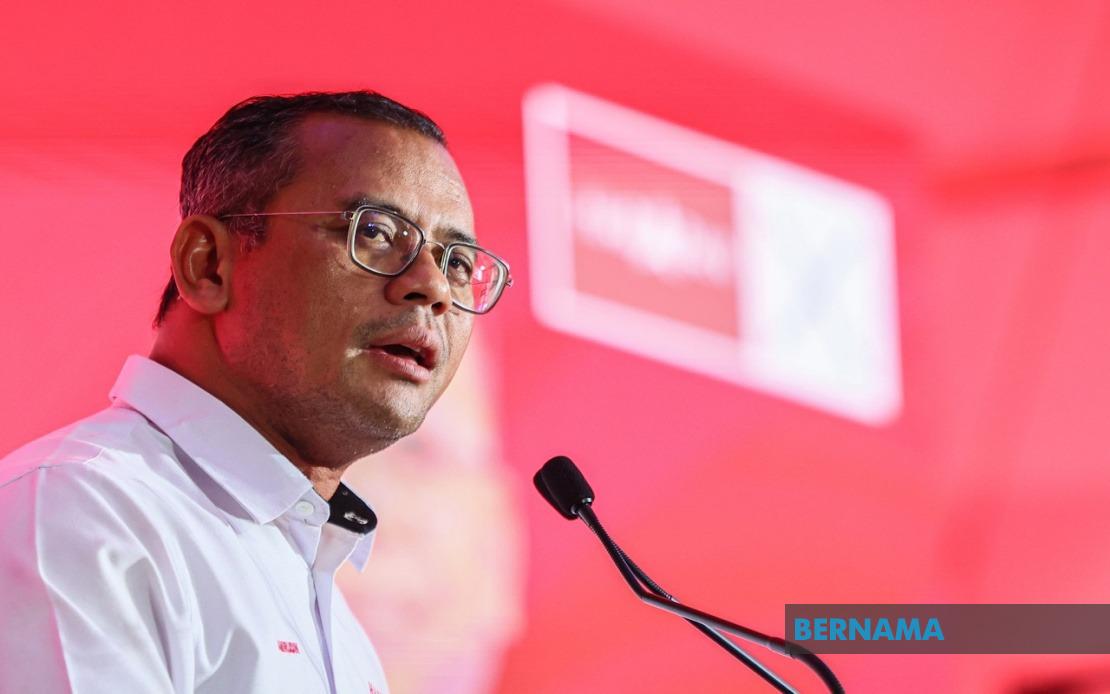
Pakatan Harapan's manifesto for the 16th Johor State Election emerged from sustained deliberation among coalition leaders rather than borrowed from rival parties, according to PKR vice-president Datuk Seri Amirudin Shari. Speaking in Kluang on July 3, Amirudin rejected suggestions that the opposition coalition's policy commitments lacked originality, emphasising instead the rigorous process that informed each key initiative.
The manifesto's centrepiece proposals on affordable housing and healthcare assistance represent carefully considered pledges shaped through months of analysis, Amirudin explained. Rather than rushing to embrace populist slogans, the PH leadership invested time in understanding voter expectations and grounding their commitments in substantive data collection. This methodical approach, he argued, distinguishes PH's platform from proposals hastily assembled without proper groundwork.
Amirudin's comments came amid broader scrutiny of opposition manifestos ahead of voting on July 11, with 172 candidates vying for 56 State Legislative Assembly seats. The PKR leader, who also serves as Selangor Menteri Besar and directs PH's Johor election machinery, acknowledged that critics would voice their opinions regardless of the facts underpinning coalition policy. Yet he remained confident that the tangible evidence of PH's planning process would ultimately vindicate the authenticity of their proposals.
With respect to the ambitious affordable housing target, Amirudin defended the coalition against claims the goal was unrealistic. He positioned the commitment as a response to genuine demand identified through surveys and grassroots focus group discussions conducted by PH's own team. The scale of the target, he insisted, reflected necessity rather than bravado—a figure calibrated to address what ordinary Johoreans genuinely require in their communities.
Selangor's experience provided concrete validation of PH's capacity to deliver on housing pledges. The state government has greenlit construction of 174,000 affordable housing units, with 40,000 already completed. This track record in a PH-ruled state demonstrated that the Johor commitment represented an extension of proven capabilities rather than an empty promise. The Selangor precedent offered voters a tangible measure of what PH could achieve if entrusted with Johor's governance.
Campaign feedback from grassroots operations suggested receptiveness to PH's message, though Amirudin acknowledged that many voters remained reluctant to publicly declare their support. This caution, he suggested, reflected the complex political environment in Johor rather than genuine disengagement from the coalition's platform. As the campaign intensified, he anticipated that private sympathies would translate into electoral momentum.
The participation of Prime Minister Datuk Seri Anwar Ibrahim at campaign events scheduled for July 4 was expected to energise party workers and reinforce voter confidence in PH's direction. Anwar's direct engagement with Johor voters would underscore the national government's commitment to the state, potentially swaying undecided voters who remained to be persuaded of the coalition's seriousness.
Besides Amirudin, several other PH figures articulated the coalition's case during the campaign. PKR vice-president R. Ramanan, Amanah secretary-general Faiz Fadzil, and candidates including Nur Hafiz Roslan for Machap, Abd Razak Ismail for Benut, and Guna Balakrishnan for Layang-Layang accompanied Amirudin in addressing the media. This collective representation underscored PH's unified messaging across the coalition.
The Johor election represents a significant test for PH's standing in Southeast Asia's wealthiest state by per capita income. Victory would consolidate the coalition's position following its 2022 comeback to federal power, while defeat would raise questions about the sustainability of its national mandate. Johor's electoral outcome carries implications far beyond state boundaries, resonating across Malaysian politics and regional perceptions of PH's trajectory.
Early voting is scheduled for July 7, with the main poll following four days later. This compressed campaign calendar placed pressure on all parties to crystallise their messages quickly and effectively. For PH, establishing the legitimacy and origins of its platform before voters cast ballots became a critical priority, particularly given the opposition's vulnerability to accusations of policy recycling in previous electoral cycles.
The broader context of manifesto authenticity reflects evolving voter expectations in Malaysian politics. Increasingly sophisticated electorates demand not merely attractive promises but evidence of careful planning and demonstrated capacity for implementation. Amirudin's emphasis on PH's deliberative process attempted to position the coalition as serious governance practitioners rather than mere campaign showmen, a distinction that may resonate with pragmatically minded Johor voters weighing their electoral choices.

