Diplomatic efforts to strengthen Pakistan-Syria relations have gained momentum with the arrival of Syrian Foreign Minister Asaad Hassan Al Shaibani in Islamabad this week, marking a significant milestone in bilateral engagement that has remained largely dormant for the past twenty years. The ministerial visit represents a deliberate attempt to revitalise a relationship that both nations view as rooted in historical and cultural commonality, particularly as Pakistan seeks to expand its diplomatic footprint across the Middle East and Syria looks to restore international partnerships following years of regional turbulence.
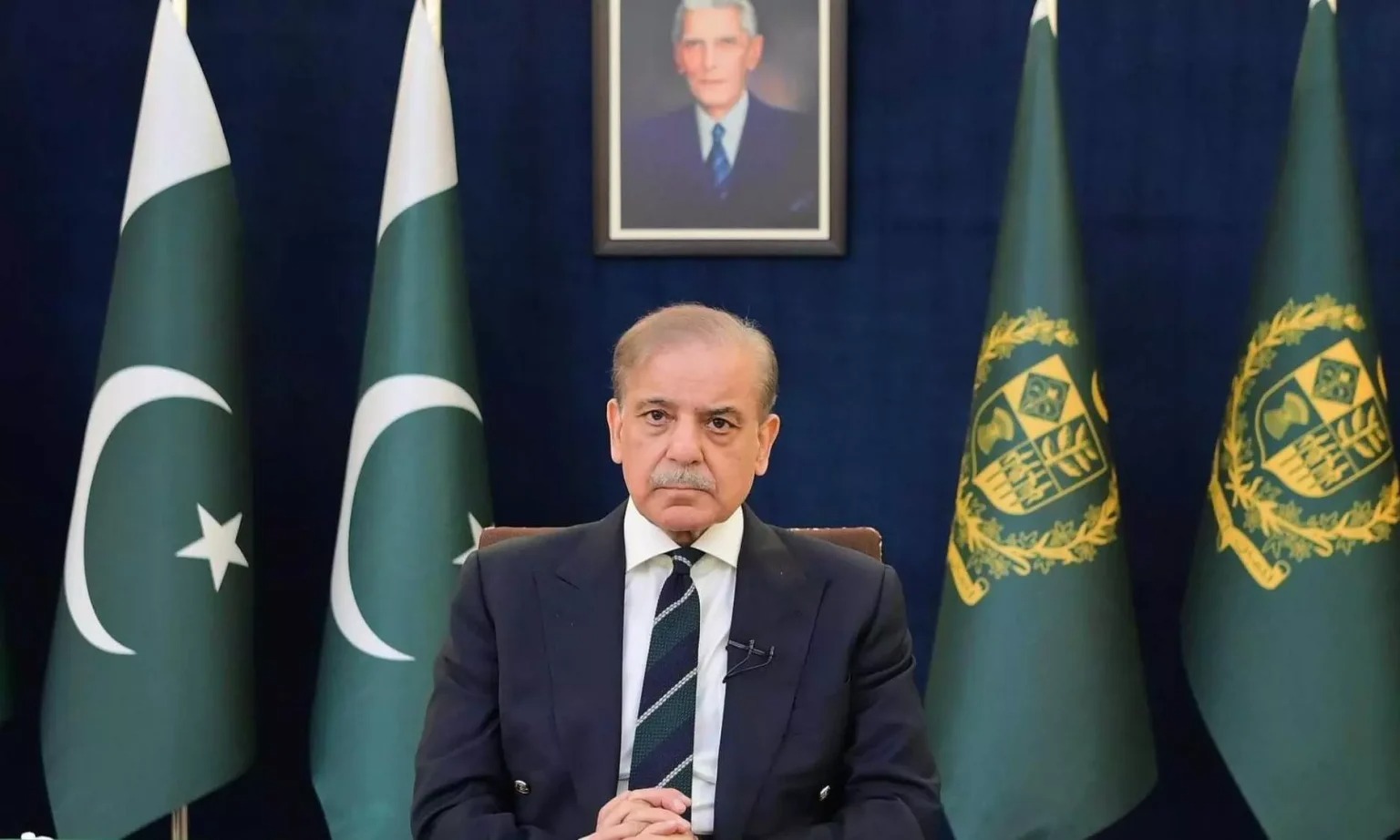
During his stay in the Pakistani capital, Shaibani engaged with senior government officials including Prime Minister Shehbaz Sharif, establishing a high-level platform for substantive discussions on matters of mutual concern. The Pakistani leadership used the occasion to reaffirm longstanding commitments to Syrian sovereignty and territorial integrity, explicitly reinforcing Pakistan's position regarding the Golan Heights—a symbolic gesture that signals alignment on contentious Middle Eastern geopolitical issues. Prime Minister Sharif articulated a vision for converting historical goodwill into concrete collaborative frameworks spanning political coordination, military cooperation, commercial engagement, educational exchanges, and human resource development initiatives.
The resumption of direct air connectivity emerged as a practical priority during talks, with both governments recognising that enhanced flight services would facilitate tourism, business travel, and cultural programming between their populations. Direct flights would reduce transit times and costs for passengers and cargo, potentially unlocking dormant trade potential and enabling Pakistani diaspora communities in Syria and Syrian expatriates in Pakistan to maintain stronger family connections. This infrastructure development carries symbolic weight as well, demonstrating tangible commitment to rapprochement beyond rhetoric.
Deputy Prime Minister and Foreign Minister Ishaq Dar spearheaded Pakistan's diplomatic engagement on the bilateral agenda, leveraging his portfolio to address both bilateral and multilateral dimensions of the partnership. Discussions extended beyond traditional bilateral concerns to encompass regional flashpoints including the Palestinian question, Afghan stability, South Asian dynamics, and broader West Asian developments. This expansive scope reflects Pakistan's strategic interest in positioning itself as a constructive voice on Middle Eastern matters and Syria's desire to reconnect with South Asian partners who maintain significant regional influence and diplomatic networks.
Syria's foreign minister notably praised Pakistan's recent engagement through the Makkah Joint Defence Agreement, a multilateral security framework that Islamabad considers an important mechanism for promoting regional cooperation and de-escalation. Shaibani's commendation of Pakistan's diplomatic efforts toward de-escalating United States-Iran tensions demonstrated Syrian interest in Pakistan's evolving role as a potential honest broker in major regional conflicts. This assessment reflects recognition that Islamabad maintains relationships across multiple regional power blocs and possesses historical credibility on matters requiring delicate diplomatic navigation.
Economic cooperation represented another substantial dimension of the ministerial discussions, with Pakistan's Commerce Minister Jam Kamal Khan emphasising opportunities for private sector engagement and expanded bilateral trade. The Syrian delegation came prepared with specific infrastructure and reconstruction requirements, presenting concrete opportunities for Pakistani contractors, investors, and technical expertise to participate in Syria's post-conflict rehabilitation efforts. This represents significant potential for Pakistani companies seeking markets beyond South Asia, particularly given the scale of infrastructure projects anticipated across Syrian territory.
A joint business council mechanism emerged from these economic discussions as a formalised structure to facilitate sustained private sector dialogue and partnership development. Such institutional frameworks typically prove effective in identifying bankable projects, addressing regulatory obstacles, and maintaining momentum beyond initial governmental enthusiasm. The establishment of such a council signals serious intent from both governments to move beyond ceremonial diplomatic gestures toward institutionalised commercial relationships capable of delivering tangible benefits to business communities.
For Malaysia and the broader Southeast Asian region, this Pakistan-Syria rapprochement carries implications for the regional balance of Muslim-majority nations' diplomatic positioning. Pakistan's expanding engagement across the Middle East potentially shifts intra-Islamic world relationships and alliance patterns, with ramifications for how Asian powers coordinate on shared concerns from counterterrorism to development financing. Syria's international rehabilitation, even gradual and partial, may influence how regional players calibrate their Middle Eastern strategies and partnerships.
The timing of this diplomatic initiative aligns with Pakistan's broader effort to rehabilitate its international standing and diversify its partnership portfolio following internal political challenges and economic pressures. Enhanced Middle Eastern engagement provides Pakistan potential access to investment capital, energy resources, and strategic partnerships that could ease current economic constraints. For Syria, reconnecting with Pakistan reflects efforts to normalise international relations and demonstrate that isolation has ended, a signal directed toward potential investors and aid donors surveying the stability landscape.
The visit demonstrates that despite Middle Eastern geopolitical complexities and Pakistan's own multifaceted regional commitments, both governments perceive sufficient mutual benefit to invest diplomatic capital in relationship rebuilding. The concrete proposals emerging—direct flights, joint business councils, sector-specific cooperation frameworks—suggest this represents substantive engagement rather than perfunctory diplomacy. Success in implementing these initiatives will determine whether this renewed partnership becomes a significant vector in each nation's strategic positioning or remains another episodic diplomatic exercise.

