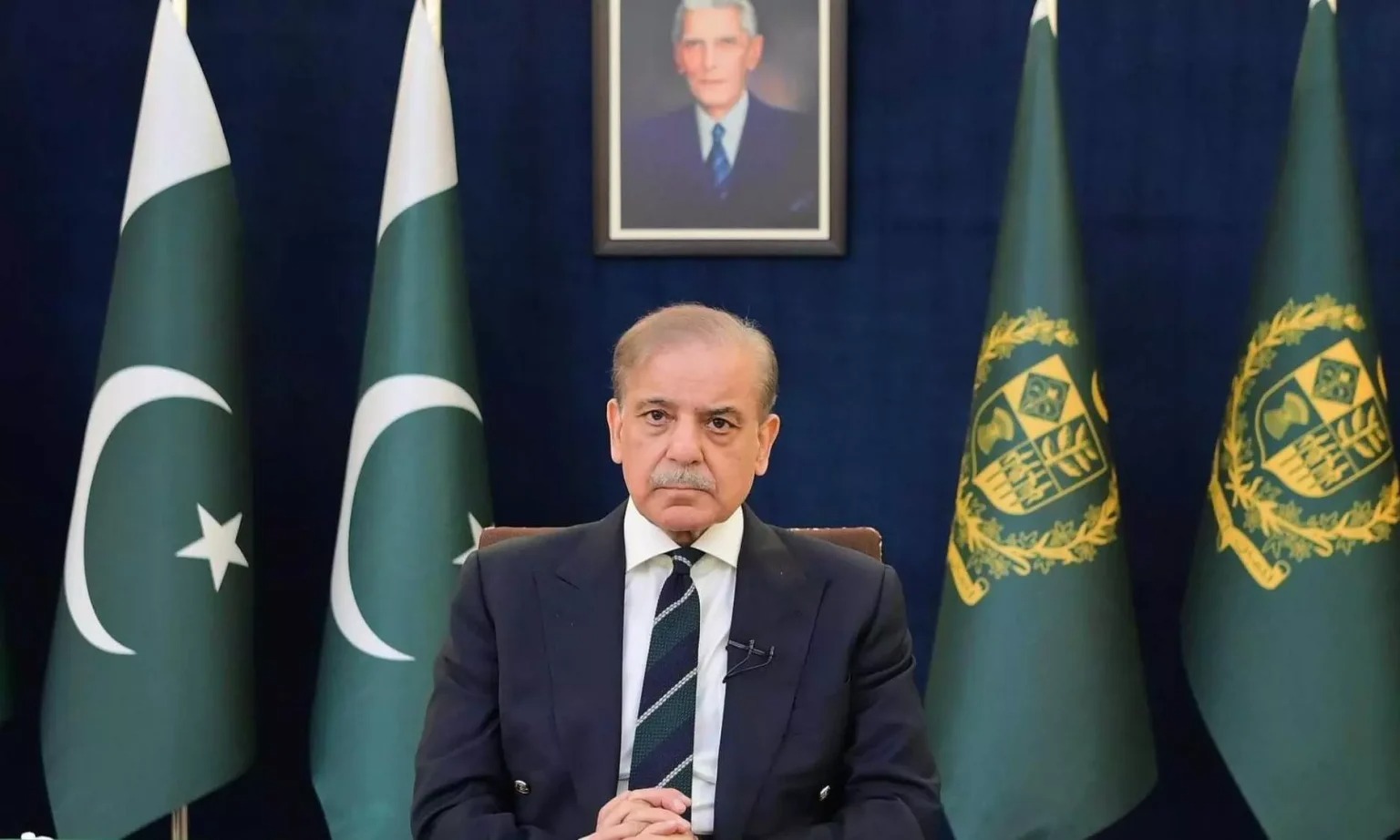
Pakistan's Prime Minister Shehbaz Sharif will travel to Tehran on July 4 to attend the funeral of Iran's Supreme Leader Ayatollah Ali Khamenei, the Foreign Ministry announced Thursday in Islamabad. The participation marks a significant diplomatic gesture from Pakistan's government, signalling the importance Islamabad places on its ties with its western neighbour at a moment of political transition in Iran.
Speaking at a media briefing, Foreign Ministry spokesman Tahir Andrabi confirmed that Sharif will deliver formal condolences on behalf of both the Pakistani people and government to Iran's leadership and the families of the deceased. This ceremonial aspect of the visit carries symbolic weight, as the attendance of senior delegations at state funerals often reflects the depth of bilateral relations and mutual respect between nations. For Pakistan, the gesture acknowledges the longstanding partnership with Iran across multiple spheres, from trade to security cooperation.
The prime minister will not travel to Tehran in isolation. He will be accompanied by Deputy Prime Minister and Foreign Minister Ishaq Dar along with other cabinet-level ministers, elevating the status and composition of the delegation. This high-level representation demonstrates the gravity with which Islamabad views both the occasion and the opportunity to reinforce connections with Iranian officials during the transition period following Khamenei's death. The inclusion of the deputy prime minister and foreign minister ensures that substantive discussions on bilateral matters can occur alongside ceremonial obligations.
Following his participation in the funeral proceedings, Sharif's diplomatic itinerary extends further afield. He will travel to Turkey at the invitation of Turkish President Recep Tayyip Erdogan to engage in talks covering both bilateral relations and broader regional concerns. This leg of the journey, scheduled after the Tehran visit, reflects the interconnected nature of Middle Eastern geopolitics and Pakistan's role as a bridge between multiple regional powers. Turkey and Pakistan share significant strategic interests, particularly regarding maritime security, counterterrorism cooperation, and economic partnerships.
The complete foreign trip spans July 3 to 5, a compressed but intensive schedule that showcases the diplomatic demands facing Pakistan's leadership. Within this narrow timeframe, Sharif will participate in a major state funeral, engage with new Iranian leadership, travel across the region, and conduct substantive policy discussions with Turkish leadership. The tight schedule underscores how global diplomacy often requires rapid movement and the ability to manage multiple relationships simultaneously.
Meanwhile, India has confirmed its own representation at Khamenei's funeral, with Bihar state governor Syed Ata Hasnain and deputy foreign minister Pabitra Margherita attending on behalf of New Delhi. The presence of delegations from neighbouring countries like India and Pakistan at the Iranian funeral demonstrates the regional significance of Iran's political transition and the broad international attention such ceremonies command. India's selection of a state governor alongside a senior diplomatic official similarly reflects the solemnity with which New Delhi approaches the occasion.
The funeral attendance carries particular relevance for Pakistan given the two nations' shared border of approximately 959 kilometres and their complex history of bilateral relations marked by periods of cooperation and tension. Pakistani officials have long emphasised the need for stability in neighbouring Iran, particularly given concerns about cross-border militant activities and regional security dynamics. A strong Pakistan-Iran relationship helps both nations address shared security challenges, including coordinating responses to terrorism and militant organisations operating across their border regions.
For Malaysia and other Southeast Asian observers, Pakistan's diplomatic gesture underscores how regional powers maintain relationships through ceremonial and high-level engagement. The composition and timing of delegations often signal priorities and policy directions, particularly during transitions in leadership. As Iran navigates the succession process following Khamenei's death, the presence of major regional players like Pakistan and India will provide opportunities for these nations to assess Iran's future direction and establish working relationships with emerging powerholders.
The Turkish leg of Sharif's journey also merits attention from regional analysts. Pakistan-Turkey relations have deepened significantly in recent years, with increased military cooperation, defence manufacturing partnerships, and cultural exchanges. The invitation to discuss bilateral and regional issues suggests that Ankara wishes to strengthen ties with Islamabad and coordinate on matters affecting the broader Middle East and Central Asia. For Pakistan, maintaining good relations with both Iran and Turkey—two nations with their own complex bilateral history—requires careful diplomatic balance.
The timing of this diplomatic mission occurs as Pakistan faces considerable internal challenges, including economic stabilisation efforts and political consolidation following recent elections. Nevertheless, the decision to dispatch a high-level delegation to Tehran demonstrates that Islamabad views international engagement and relationship maintenance as essential components of national strategy even during periods of domestic focus. The foreign trip represents an investment in long-term regional stability and Pakistan's positioning within Middle Eastern affairs.

