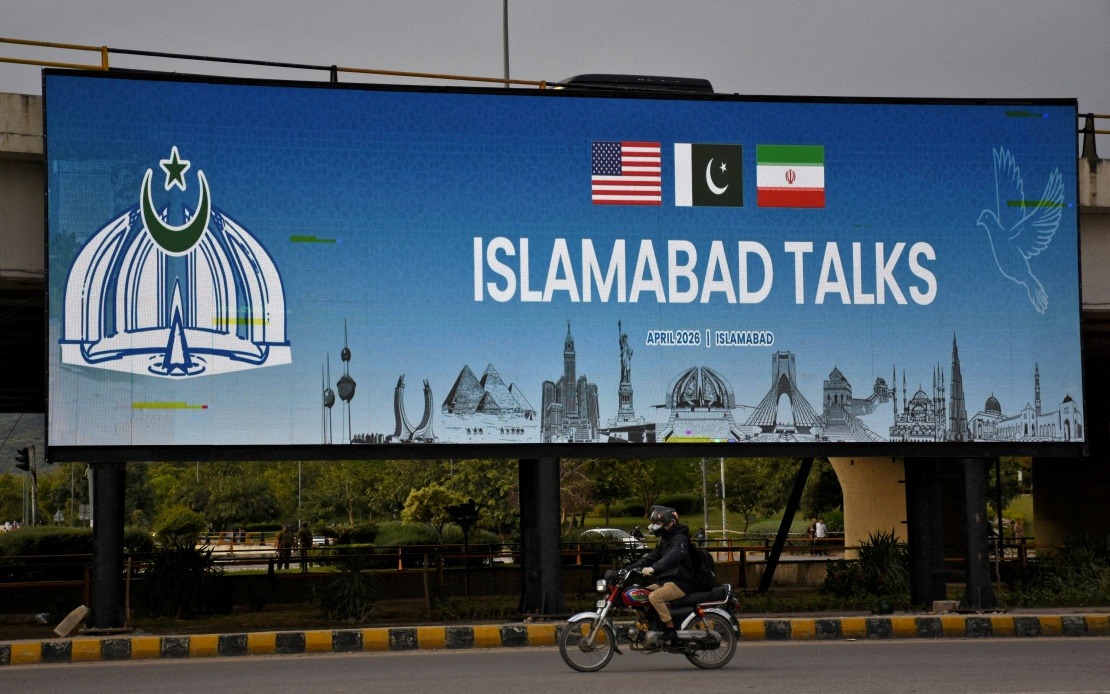
Pakistan is set to serve as the venue for renewed negotiations between the United States and Iran on July 11, according to regional media reports. The diplomatic engagement marks a continuation of efforts to resolve outstanding differences between the two countries, with discussions expected to encompass a range of contentious issues including the sanctions regime, Iran's nuclear programme, and the status of Tehran's frozen overseas assets.
The timing of these talks comes shortly after a significant development in bilateral relations. In the early hours of June 18, representatives from both nations concluded remote negotiations that resulted in a memorandum of understanding aimed at halting the military hostilities that had escalated since late February. This preliminary agreement represents a notable shift in the trajectory of US-Iran relations, signalling a willingness from both sides to explore diplomatic channels as an alternative to continued confrontation.
The substance of the June agreement extends beyond merely ceasing immediate hostilities. The memorandum establishes a structured timeline for concrete measures designed to restore normal commerce and regional stability. Washington has committed to lifting its naval blockade of Iranian ports, a restriction that has severely constrained Tehran's ability to conduct international trade and access vital economic resources. Correspondingly, Iran has pledged to restore maritime traffic through the Strait of Hormuz, one of the world's most critical chokepoints for global energy supplies. For Malaysia and broader Southeast Asia, the restoration of shipping lanes through this strategic waterway carries substantial implications for regional commerce and energy security.
A particularly significant component of the emerging understanding involves Iran's nuclear ambitions. Tehran has made a binding commitment to refrain from pursuing nuclear weapons development, a reassurance that addresses longstanding Western security concerns. However, the path forward on this issue remains complex and requires dedicated negotiation. The two parties have established a 60-day window within which to hammer out a comprehensive separate nuclear agreement that will address the technical specifications, verification mechanisms, and international oversight that such an accord would necessitate.
From Iran's perspective, the ultimate objective of these negotiations is unambiguous: the comprehensive lifting of economic sanctions that have crippled its economy for years. The stringent international sanctions regime has devastated Iranian banking, energy exports, and industrial capacity, creating acute economic hardship for its population. For Tehran, meaningful sanctions relief represents the tangible return on diplomatic engagement and serves as the essential quid pro quo that would justify domestic political capital expended in reaching accommodation with Washington.
The composition of Iran's negotiating delegation at the Pakistan talks remains subject to the outcome of significant domestic events. The Iranian side has indicated that the precise makeup of their representatives will be finalised only after the completion of funeral rites for former Iranian Supreme Leader Ali Khamenei, scheduled for July 9. This timing consideration reflects the centrality of such ceremonies in Iran's political and religious culture, and the necessity for senior officials to attend. The brief window between Khamenei's funeral and the commencement of negotiations underscores the compressed diplomatic schedule that both parties are operating within.
Pakistan's selection as the venue for these negotiations carries symbolic weight beyond mere geographic convenience. As a nation with longstanding ties to both the United States and Iran, and with its own strategic interests in regional stability, Pakistan positions itself as an honest broker in this critical diplomatic exercise. For Islamabad, hosting such talks reinforces its role as a significant player in South Asian and broader Asian geopolitics, particularly on matters touching on energy security and regional peace.
The broader context of these negotiations involves the fundamental recalibration of Middle Eastern geopolitics. The previous period of escalation and military tension had threatened to destabilise energy markets and draw regional powers into a more extensive conflict. The shift toward diplomacy, while nascent and uncertain, suggests recognition from both Washington and Tehran that military escalation serves neither side's strategic interests. For Southeast Asian nations including Malaysia, which depend heavily on Middle Eastern oil and gas supplies and benefit from stable shipping lanes, this diplomatic movement offers hope for reduced geopolitical turbulence.
The success or failure of the July 11 negotiations will be measured against whether substantive progress can be achieved on the complex technical issues that divide the two countries. Sanctions architecture, the scope and timeline for lifting restrictions, verification mechanisms for nuclear commitments, and the modalities for unfreezing Iranian assets represent intricate questions requiring expert-level negotiation and, ultimately, political will from both capitals. The establishment of a 60-day timeline for nuclear negotiations suggests both parties recognise the complexity involved and the need for sustained engagement beyond initial framework agreements.
For Malaysia and the broader ASEAN region, the trajectory of US-Iran relations carries implications extending across trade, energy, security, and geopolitical stability. An escalation toward military conflict would have reverberated through global energy markets and international shipping, with ripple effects felt acutely in Southeast Asia. Conversely, a successful negotiated settlement could contribute to a more stable international environment conducive to regional development and prosperity. As Pakistan prepares to host these negotiations, the stakes for regional and global stability remain extraordinarily high, and the outcomes will merit close attention from Malaysian policymakers and observers.

