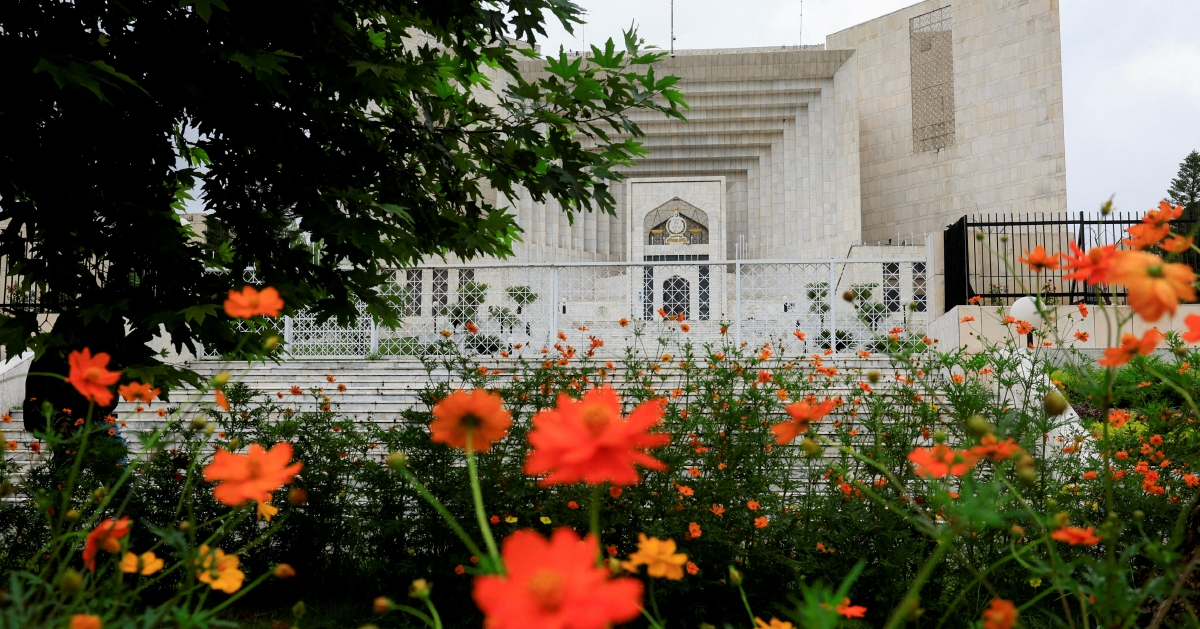
Pakistan's incarcerated former prime minister Imran Khan, whose political movement commands substantial support across the country, has been transferred to hospital for medical evaluation following direct intervention by the nation's highest court. The decision, communicated through the Supreme Court's formal orders, represents a significant development in Khan's case and signals potential movement in his protracted legal battles. His Pakistan Tehreek-e-Insaf party confirmed the transfer in early Friday announcements, marking the latest twist in a detention that has dominated national political discourse for months.
The hospital transfer carries considerable weight within Pakistan's fractious political landscape, where Khan's imprisonment has become emblematic of broader debates about judicial independence and the treatment of political opponents. Since his arrest, Khan's supporters have mobilised across the country, arguing that his detention represents politically motivated persecution orchestrated by rival factions and military interests. The Supreme Court's intervention to facilitate medical assessment suggests possible reconsideration of aspects of his case, though the precise nature of any forthcoming legal developments remains unclear at this stage.
Imran Khan's detention has rippled through Pakistan's deeply polarised political environment, where his party continues wielding considerable grassroots influence despite his absence from public life. His popularity among younger voters and urban constituencies reflects broader dissatisfaction with Pakistan's political establishment and economic trajectory. The timing of the medical evaluation order comes amid mounting pressure from international observers and human rights organisations regarding Khan's treatment in custody, concerns that have periodically surfaced in international diplomatic channels.
The former cricket star turned political leader transformed Pakistani politics after launching his anti-corruption movement that resonated with millions seeking alternatives to entrenched political dynasties. His rise represented a significant disruption to conventional power structures, attracting support across socioeconomic lines through promises of institutional reform and accountability. His subsequent detention, therefore, extends beyond individual circumstances to represent broader questions about political accountability and the balance of power between civilian and military institutions in the Pakistani state.
Supreme Court involvement in Khan's case reflects the judiciary's increasing role in navigating Pakistan's political crises, a pattern that has characterised the nation's turbulent democratic history. The court's decision to order medical evaluation suggests potential vulnerability in the government's case or acknowledgment of legitimate health concerns requiring institutional response. Such judicial interventions, while ostensibly technical and procedural, carry substantial symbolic weight within Pakistan's political consciousness, where Supreme Court rulings often become flashpoints for broader constitutional struggles.
The hospital transfer also intersects with Pakistan's complicated relationship with international scrutiny regarding detention practices and judicial fairness. Various global human rights organisations have documented concerns about Khan's imprisonment conditions and access to proper legal representation. The Supreme Court's intervention, therefore, may reflect both internal pressure from civil society and external diplomatic considerations regarding Pakistan's international reputation and standing within global democratic assessments.
From a regional perspective, Khan's circumstances carry implications for Southeast Asian observers monitoring Pakistan's democratic consolidation and institutional development. Malaysia and other ASEAN nations maintain diplomatic relationships with Pakistan and observe closely how major South Asian political crises unfold, particularly those involving questions of democratic legitimacy and judicial independence. Khan's case illustrates persistent challenges within South Asia's largest democracy regarding institutional checks on executive power and protection of political opposition.
The medical evaluation itself raises questions about Khan's physical and mental wellbeing following extended incarceration. Prison conditions in Pakistan have been subject to international criticism, with reports documenting inadequate healthcare facilities and sometimes harsh treatment of high-profile detainees. A formal hospital assessment under court order potentially addresses documented health concerns while simultaneously providing opportunity for independent medical observation outside the prison system's direct control.
Moving forward, the Supreme Court's latest order may foreshadow broader judicial reconsideration of Khan's detention or criminal charges. Pakistani jurisprudence, while sometimes inconsistent, has established precedents where supreme court intervention facilitates reassessment of high-profile cases. Whether this medical evaluation represents preliminary groundwork for potential release, bail reconsideration, or simply health maintenance remains uncertain, but the court's willingness to intervene suggests his case remains subject to legal fluidity rather than finality.
Pakistan's political trajectory continues oscillating between institutional stability and crisis, with prominent arrests and releases of major political figures marking cyclical patterns throughout recent decades. Khan's transfer to hospital reflects this characteristic instability while simultaneously demonstrating judicial mechanisms that, despite limitations, retain capacity to impose procedural requirements on executive detention decisions. The coming weeks will likely determine whether this development represents meaningful movement toward Khan's potential release or constitutes procedural accommodation within continued imprisonment.

