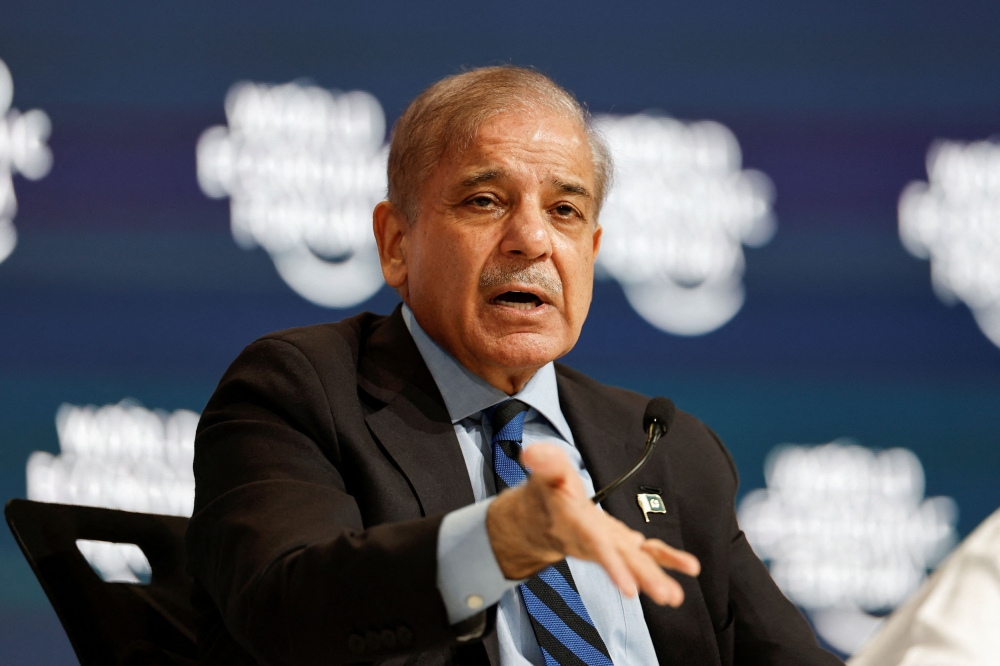
Pakistani Prime Minister Shehbaz Sharif has conveyed warm wishes for the swift recovery of Malaysian Prime Minister Datuk Seri Anwar Ibrahim following a medical procedure, reflecting the cordial relationship maintained between the two South and Southeast Asian nations' leadership. The gesture highlights the personal rapport that Sharif and Anwar have cultivated during their respective tenures in high office, particularly as both leaders navigate complex regional and global challenges while strengthening ties with key partners.
The message of goodwill from Islamabad carries symbolic weight in the context of Pakistan-Malaysia relations, which have traditionally been anchored in shared Islamic heritage and common strategic interests in the Indo-Pacific region. As Muslim-majority democracies navigating similar developmental challenges, both countries have maintained regular high-level exchanges and coordinate on issues ranging from maritime security to economic cooperation. Sharif's public expression of solidarity underscores the importance Pakistan places on maintaining these bilateral connections during periods of leadership attention.
Anwar's medical situation, while routine in nature, naturally draws heightened attention given his prominent role in steering Malaysia through a complex political transition and economic recovery programme. The Malaysian Premier has been actively engaged in addressing domestic policy priorities and regional engagement since assuming office, making health considerations relevant to broader national governance continuity. Well-wishes from international counterparts during such periods are standard diplomatic protocol that reinforce mutual respect and institutional relationships between states.
The timing of Sharif's message also reflects Pakistan's broader strategic calculus within Asia, where maintaining strong connections with Southeast Asian economies has become increasingly vital. Malaysia, as the largest economy in the ASEAN region by several metrics and a critical player in regional forums, represents an important anchor for Pakistani foreign policy interests. Regular engagement at the highest levels helps both nations coordinate positions on international matters and explore economic opportunities that benefit their respective development agendas.
Bilateral engagement between Islamabad and Kuala Lumpur has encompassed diverse areas including trade promotion, defence cooperation, and people-to-people exchanges through student scholarships and cultural programmes. Both nations are active participants in the Organisation of Islamic Cooperation and maintain coordinated positions on issues affecting Muslim communities globally. These institutional frameworks provide regular opportunities for leadership interaction, enabling personal relationships to develop alongside formal diplomatic channels.
For Malaysian readers, the international outpouring of support for their Prime Minister demonstrates the respect Anwar has garnered among global peers through his track record in economic management and democratic reform. Such messages from fellow leaders in comparable positions validate the credibility Malaysia's government has established in regional and international forums. Pakistan's specific gesture carries added significance given that country's own navigational challenges in institutional stability and democratic consolidation, suggesting that experienced leaders like Anwar command genuine appreciation across the Muslim world.
From a broader Southeast Asian perspective, these personal connections between national leaders facilitate smoother coordination on regional security and economic matters that affect the entire ASEAN bloc. When leadership relationships remain strong, countries can more effectively address transnational challenges such as maritime disputes, counterterrorism, and trade facilitation. Pakistan, while not an ASEAN member, maintains observer status in various regional forums and seeks to deepen engagement with the bloc's constituent members through bilateral channels with prominent economies like Malaysia.
The diplomatic courtesy extended by Sharif also reflects evolving norms around political leadership health in Asia, where public acknowledgement of medical procedures by international counterparts has become normalised without sensationalising individual circumstances. This professionalism in diplomatic communication helps maintain institutional stability and prevents unnecessary speculation that could undermine confidence in governance structures. Both Pakistan and Malaysia benefit when such matters are handled with appropriate discretion and mutual respect.
Looking forward, such expressions of solidarity typically precede or accompany expanded bilateral engagement once leadership focus returns to full capacity. Pakistan may leverage renewed communication channels to advance specific initiatives whether in trade, defence partnerships, or coordination on international forums. Malaysia similarly benefits from demonstrating its integration into broader South and Southeast Asian networks, reinforcing its position as a bridge between regions and a reliable partner for countries across different geographical zones.
The message from Islamabad ultimately illustrates how personal relationships between democratic leaders in the Muslim world contribute to regional stability and cooperation, even as both nations face distinct internal challenges and external pressures. In an era marked by geopolitical tensions and strategic competition between major powers, the cultivation of trust among moderate leaders in Asia takes on added significance. Anwar's international standing and Pakistan's interest in maintaining strong ties with credible Southeast Asian partners suggest these bilateral connections will continue developing constructively.

