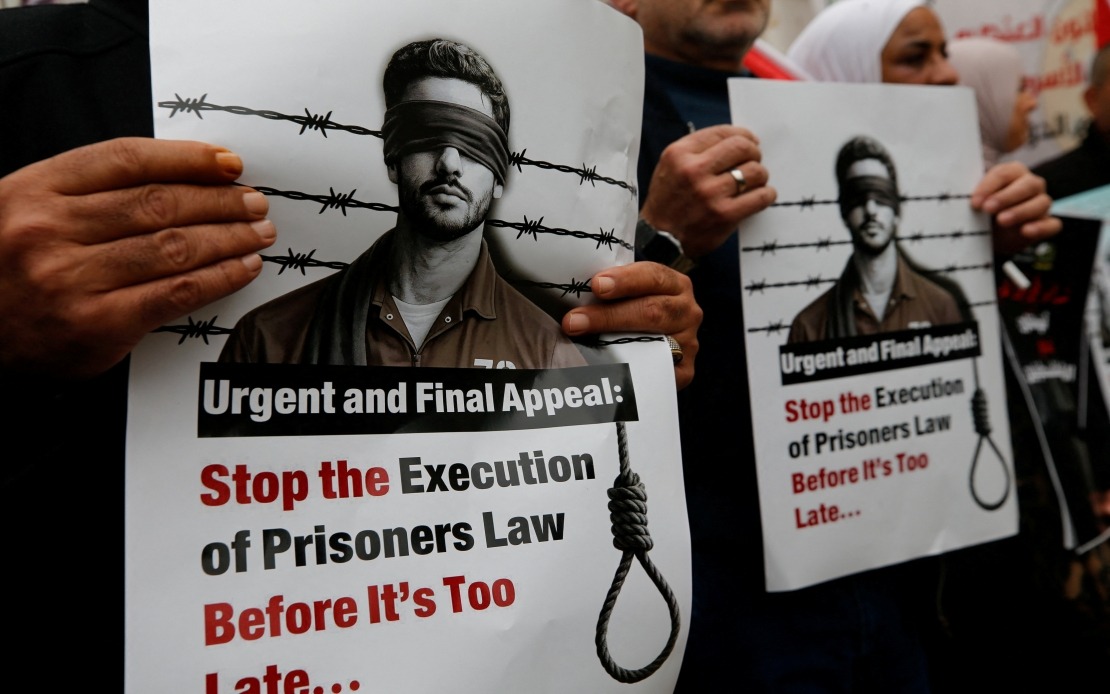
The Palestinian Prime Minister's Office has issued a comprehensive report detailing what it characterises as widespread and systematic human rights violations within Israeli detention facilities, painting a stark picture of conditions affecting thousands of Palestinians. According to the government's Situation Report #92, released at the end of June, detainees have endured physical and psychological abuse that extends beyond conventional interrogation methods, encompassing beatings, electrocution, sleep deprivation, starvation, and sexual violence. The documentation represents an escalation in official Palestinian claims regarding treatment within the Israeli penal system, raising significant concerns about the wellbeing of a vulnerable population held in military custody.
The scale of detention operations outlined in the report underscores the magnitude of the issue affecting Palestinian society. Beyond the 3,376 administrative detainees held without formal charges or trial, the Palestinian authorities note that 360 Palestinian children remain in custody, a detail that carries particular weight in international humanitarian discourse. These figures extend across multiple territories, with more than 9,500 Palestinian detainees recorded throughout the West Bank, including occupied Jerusalem, creating a situation that affects families and communities across Palestinian-controlled and contested regions. The use of administrative detention—a mechanism permitting indefinite holding without formal legal proceedings—has long attracted criticism from human rights organisations worldwide.
The report draws specific attention to three pregnant Palestinian women currently in detention who face conditions described as deliberately degrading and harmful. According to the Palestinian government's documentation, these women experience starvation, humiliation, harsh interrogations, strip searches, and systematic denial of prenatal healthcare services. The targeting of pregnant detainees raises profound questions about the proportionality of security measures and the protection owed to vulnerable populations under international humanitarian law. Such allegations, if substantiated, would constitute violations of basic medical ethics and protections that typically extend to expectant mothers across most jurisdictions.
Beyond the detention issue, the report encompasses a broader assessment of Palestinian casualties and losses sustained since early October 2023. Gaza has witnessed particularly severe consequences, with Palestinian authorities documenting 73,054 deaths, including at least 21,638 children, while another 173,480 individuals remain injured. In the West Bank and occupied Jerusalem, the figures stand at 1,175 deaths, including 246 children, with 12,919 others sustaining injuries as of late June. These cumulative statistics represent the human cost of the ongoing conflict and underscore the interconnected nature of security operations, detention practices, and broader military engagements affecting Palestinian territories.
The scale of missing persons further compounds the humanitarian dimension. According to the report, 11,200 Palestinians remain unaccounted for, a figure that generates acute uncertainty within families and communities seeking closure or confirmation of their relatives' fates. Additionally, the Palestinian authorities document the deaths of more than 1,700 health workers and 262 journalists and media workers, suggesting that professional classes essential to civilian life and information dissemination have been disproportionately affected during this period. These losses carry implications for the functioning of Palestinian institutions and the capacity to document and report on the situation itself.
The report also catalogues recent military and security incidents in the West Bank during the period from June 22 to 28, recording 362 military assaults by Israeli forces, 47 shooting incidents excluding airstrikes, and 114 incidents described as settler terror attacks. This documentation of near-daily security incidents illustrates the persistent operational tempo affecting Palestinian populations and the multifaceted nature of the security environment. The breakdown between formal military operations and settler violence reflects the complexity of security dynamics in contested territories, where both official military forces and irregular elements contribute to an atmosphere of tension and danger.
For Malaysian and Southeast Asian readers, these developments carry significance within broader discussions of international humanitarian law, civilian protection, and the role of regional and international mechanisms in addressing protracted conflicts. The detention of children and pregnant women, if accurately reported, raises questions applicable beyond the immediate context, touching on universal principles of human dignity and the treatment of vulnerable populations in security operations. Malaysia's historical engagement with Palestinian issues and advocacy within Islamic and non-aligned forums positions such reports within a framework of regional concern and diplomatic attention.
Simultaneously, the Palestinian government has pursued domestic institutional reforms aimed at strengthening governance and financial administration. During its weekly cabinet session, Palestinian leadership approved amendments to Value Added Tax legislation and established institutional frameworks within the Finance Ministry, signalling an effort to modernise revenue collection and enhance fiscal transparency. These initiatives reflect a recognition that effective governance, including transparent financial management and digital infrastructure, remain essential components of Palestinian state-building regardless of immediate security circumstances.
The cabinet has also advanced digital transformation initiatives, including approval of a telecommunications and information technology sector policy spanning 2026 to 2028. This strategic orientation toward digital governance extends to healthcare modernisation, with the adoption of smart health insurance cards replacing paper-based systems. Such reforms suggest Palestinian institutional thinking extends beyond immediate conflict-related concerns toward long-term administrative and technological capacity-building. The emphasis on aligning financial administration with international standards and combating tax evasion indicates an orientation toward meeting contemporary governance benchmarks.
These parallel developments—the documentation of human rights violations within detention systems and the pursuit of institutional reform—reflect the multidimensional challenges facing Palestinian governance. While security concerns and conflict dynamics dominate immediate attention, the pursuit of administrative modernisation suggests a commitment to foundational state functions and the infrastructure necessary for sustained administration. The confluence of these issues shapes the environment in which Palestinian institutions operate and influences their capacity to serve populations affected by both conflict and governance transitions.
The international dimensions of these claims extend beyond immediate Palestinian-Israeli dynamics. Reports documenting detention practices and casualties circulate through United Nations mechanisms, regional forums, and international civil society networks, contributing to ongoing assessments of compliance with humanitarian law. For regional powers including Malaysia and other Southeast Asian nations engaging with Middle Eastern affairs through multilateral institutions, such documentation influences diplomatic positioning and advocacy priorities within global governance structures concerned with human rights and conflict resolution.

