The Malaysian Association of Employment Agencies (PAPA) has unveiled a new insurance initiative designed to bridge longstanding protection gaps affecting both domestic workers and their employers throughout the country. Developed in collaboration with GMAT Sdn Bhd and Allianz Malaysia, the scheme represents a significant shift in how the domestic employment sector manages risk, particularly during the critical early stages of worker placement.
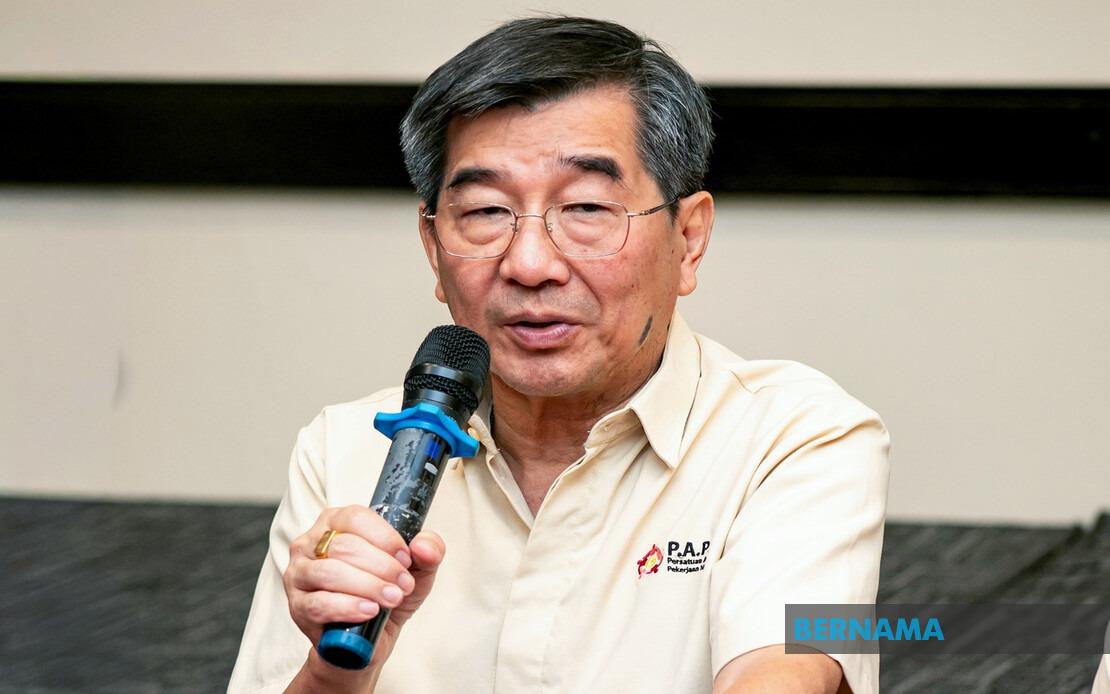
According to Datuk Foo Yong Hooi, president of PAPA, the scheme addresses a fundamental structural weakness in Malaysia's domestic worker recruitment ecosystem. The typical guarantee period offered by employment agencies ranges between three and six months, after which employers face substantial uninsured financial exposure. This gap has historically left household employers vulnerable to significant losses when workers abscond or become unable to work due to illness or injury.
The centrepiece of the new protection framework is a RM5,000 compensation benefit payable to employers if their domestic worker absconds during the insured period. This allowance is specifically calibrated to offset the direct costs associated with re-recruitment and replacement placement services. However, the structure reflects risk management principles, as this particular benefit applies only during the first year of coverage, when worker turnover risk is statistically highest. From the second year onwards, while the abscondment provision expires, other protections including personal accident insurance and hospitalisation coverage remain active and enforceable.
A distinctive element of this scheme is its emphasis on medical coverage for domestic workers, an area traditionally neglected in Malaysia's informal employment sector. The policy extends hospitalisation and surgical protection beyond occupational injuries to encompass general illnesses, a significant expansion from existing frameworks. Domestic workers medically certified as unfit to perform their duties are entitled to weekly compensation spanning up to twelve weeks, providing temporary income replacement during recovery periods. The scheme also offers limited assistance for workers who lose essential travel documents such as passports, recognising the particular vulnerability of migrant domestic workers.
The introduction of illness-related coverage addresses a critical gap created by Malaysia's employment classification system. The Social Security Organisation (PERKESO) provides coverage exclusively for work-related accidents, leaving domestic workers exposed to medical expenses arising from non-occupational conditions. Datuk Foo highlighted that workers frequently present undisclosed or previously undetected pre-existing medical conditions only after employment commences, creating unexpected financial burdens for household employers unprepared for substantial medical bills. This scheme effectively extends protections that formal sector employees take for granted to workers historically excluded from such arrangements.
The historical context for this initiative reveals lessons learned from earlier market attempts. Approximately two decades ago, PAPA introduced a similar abscondment insurance product that ultimately failed due to widespread fraudulent claims, necessitating withdrawal from the market. The new scheme has presumably incorporated stronger verification protocols and claims management procedures to prevent recurrence of this problem. The extended scope of benefits—moving beyond simple abscondment protection to comprehensive medical coverage—represents an evolutionary approach that reduces incentives for fraudulent claim submission by spreading risk across multiple benefit categories.
Initially positioned as a programme for PAPA member employers, the scheme remains accessible to any Malaysian employer engaged in domestic worker recruitment and employment. This inclusive approach broadens the potential impact beyond the association's immediate membership, effectively creating a market standard for insurance protection in the domestic employment sector. The availability of the policy through online channels reduces friction in the purchasing process, enabling rapid adoption among dispersed household employers across the country.
From the operational perspective, GMAT Sdn Bhd CEO M. Marimuthu emphasised the practical accessibility of the product. Policyholders can submit claims for hospitalisation and surgical expenses incurred at private healthcare facilities, subject to policy limits, with reimbursement processed systematically. This private hospital option is particularly relevant for Malaysian employers accustomed to accessing private healthcare services and preferring continuity of care arrangements.
The implications of this scheme extend beyond simple risk transfer. For employers, the availability of affordable insurance protection reduces hesitation about hiring domestic workers, potentially supporting labour market participation in the household services sector. For domestic workers themselves, particularly migrant employees, the medical coverage components provide dignity and security previously absent from their employment relationship. The scheme recognises that informal sector workers deserve protection mechanisms equivalent to those available in formal employment, addressing a persistent inequity in Malaysia's employment landscape.
For policymakers monitoring informal sector development, this initiative demonstrates how industry associations can innovate to address systemic protection gaps where regulatory frameworks have lagged. The cooperation between PAPA, an insurance intermediary, and Allianz Malaysia illustrates the potential for collaborative public-private approaches to informal economy challenges. The scheme's emphasis on preventing fraudulent claims through comprehensive design signals the sector's maturation and institutional capacity building.
The scheme's long-term viability depends on several factors including claims experience, pricing sustainability, and uptake rates among target employer populations. As the domestic employment sector continues evolving amid changing migration patterns and labour market dynamics, insurance instruments like this one become increasingly central to managing the informal-formal sector interface. The Malaysian experience may offer valuable lessons for other Southeast Asian nations grappling with similar domestic worker protection challenges.

