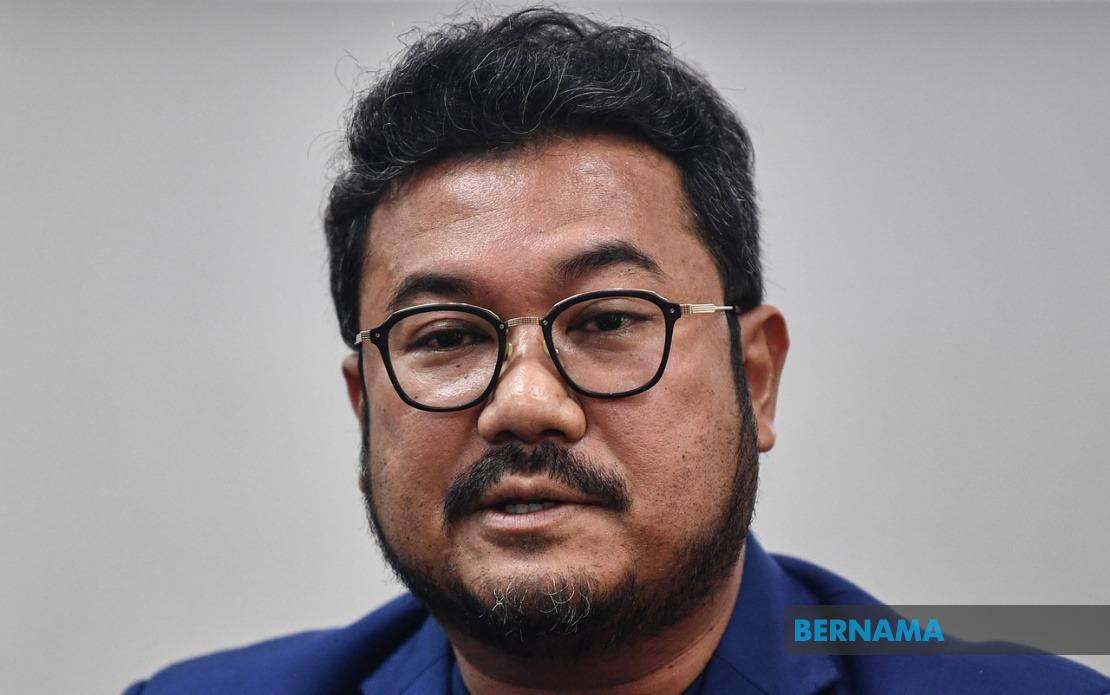
The Malaysian Paralympics Council president Datuk Seri Megat D Shahriman Zaharudin has been selected to represent Parti Peribumi Bersatu Malaysia in the forthcoming Negeri Sembilan state election, according to an announcement made at the party's candidate presentation event in Nilai on July 17. The sports administrator, who also leads the Negeri Sembilan Canoe Association, will seek election in the Seri Menanti constituency as part of Bersatu's slate of 24 candidates contesting the 16th state assembly polls.
Bersatu president Tan Sri Muhyiddin Yassin unveiled the candidacy at a ceremony held at Dewan Aminah Hamid, signalling the party's continued presence in the central Malaysian state. Megat D Shahriman's entry into electoral politics represents an intersection between grassroots sports administration and partisan political ambitions, a pattern increasingly common in Malaysian politics where activists from community organisations transition into formal political roles.
The Negeri Sembilan state election has been scheduled with nomination day set for Saturday following the announcement. The Electoral Commission has established a compressed campaign timeline, with early voting designated for July 28 and the main polling day fixed for August 1. This compressed schedule compresses the campaign period significantly compared to federal elections, placing candidates under pressure to mobilise support rapidly across their respective constituencies.
Seri Menanti, the seat Megat D Shahriman will contest, represents a distinct demographic and geographic segment within Negeri Sembilan. The constituency encompasses both urban and semi-rural areas, requiring candidates to balance appeal across diverse voter interests. As someone with a professional background in sports administration rather than traditional political machinery, the candidate's approach may differ from conventional Bersatu campaigning strategies in the state.
Bersatu's strategy in Negeri Sembilan reflects broader repositioning efforts within the party following recent electoral setbacks and internal political realignments at the national level. By recruiting candidates with established profiles in community leadership—as opposed to relying solely on party functionaries—Bersatu appears designed to broaden its appeal beyond its traditional support base. Megat D Shahriman's profile as a disability sports advocate potentially resonates with specific voter constituencies concerned with inclusive governance and representation.
The Malaysian Paralympics Council leadership position held by Megat D Shahriman indicates involvement in disability sports development and international sporting representation. His simultaneous role as president of the Negeri Sembilan Canoe Association demonstrates engagement with recreational and competitive aquatic sports. These credentials position him as someone embedded within civil society rather than party politics, though such backgrounds have proven variable predictors of electoral success in Malaysian state-level contests.
Negeri Sembilan has witnessed competitive state politics over successive electoral cycles, with different parties alternating control depending on shifting urban-rural coalitions and demographic changes. The participation of candidates from non-traditional political backgrounds, such as sports administrators, reflects attempts by established parties to broaden their candidate pools beyond career politicians. Whether such candidates effectively translate existing community standing into electoral support remains a persistent question in Malaysian electoral analysis.
The Election Commission's compressed timeline for this state election—from nomination through polling within approximately two weeks—creates specific strategic challenges for all candidates regardless of background. Megat D Shahriman and fellow candidates must rapidly establish campaign machinery, develop local messaging, and conduct voter outreach across limited timeframes. Candidates with existing community networks and name recognition from prior community work may possess organisational advantages in such accelerated election cycles.
Bersatu's decision to field 24 candidates across Negeri Sembilan's state assembly constituencies indicates the party's commitment to contesting substantially across the state rather than concentrating resources selectively. This broad approach requires developing campaign capacity across multiple constituencies simultaneously, potentially spreading available party resources and expertise thinly. The quality and effectiveness of individual candidates becomes correspondingly more important when parties cannot provide equal levels of central campaign support to each nominee.
The broader context of Malaysian electoral politics suggests that sports administrators increasingly perceive political candidacy as logical career progression, particularly within states where their existing networks and name recognition provide initial advantages. The transition from community leadership to electoral politics has characterised recent nomination patterns across multiple parties competing in state-level contests throughout Malaysia. How successfully this trend translates into effective governance and legislative performance remains an ongoing empirical question as more sports administrators enter state assemblies.

