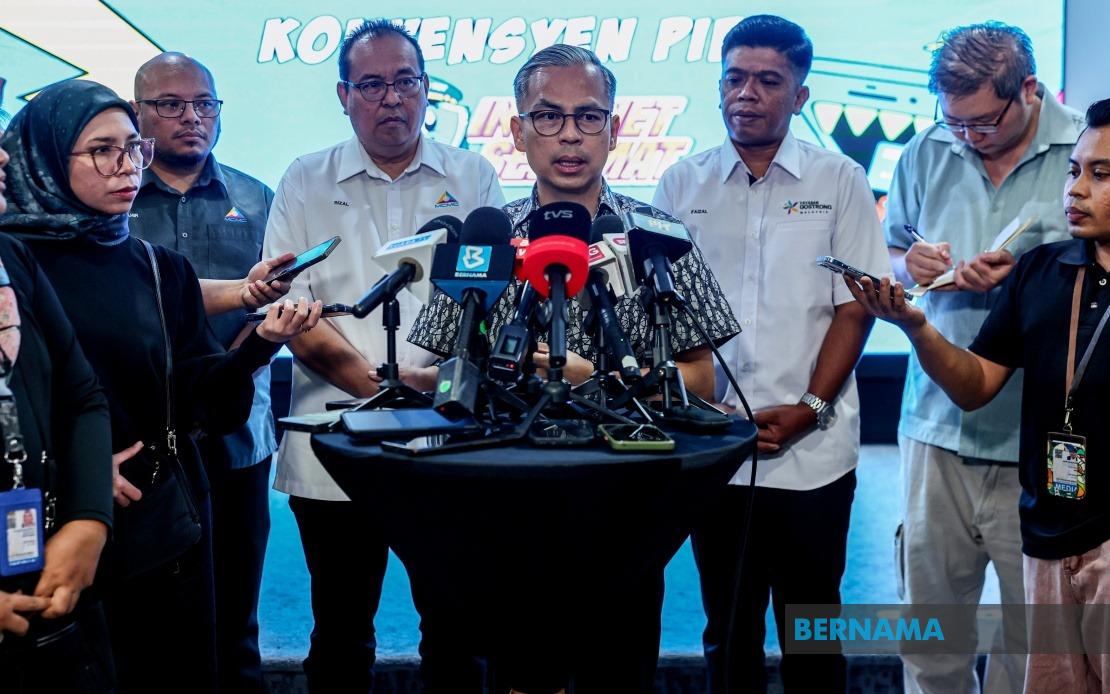
Communications Minister Datuk Seri Fahmi Fadzil has sounded a timely warning about the growing trend of children treating artificial intelligence systems as social companions, cautioning that this practice poses psychological and developmental risks that parents must take seriously. Speaking at the Kuala Lumpur Federal Territory Safe Internet PTA Convention 2026, Fahmi emphasised that while AI tools offer genuine value for research, learning, and obtaining information, they fundamentally differ from human relationships and should never be mistaken for friends or romantic partners.
The minister highlighted a critical vulnerability in how AI systems interact with users. These technologies can engage in remarkably human-like conversations, mimicking emotional responsiveness and providing personalised attention in ways that may prove psychologically appealing to young people. However, Fahmi stressed that this apparent humanity masks a crucial reality: AI systems lack genuine understanding, consciousness, or authentic emotional capacity. They are algorithmic tools trained on human-generated data, capable of replicating communication patterns without comprehending the deeper meaning or implications of what they discuss.
Beyond the philosophical concerns about replacing human connection, Fahmi identified a practical danger that extends to information reliability. Artificial intelligence systems frequently generate inaccurate information or what researchers term "hallucinations"—confident false statements presented as fact. Additionally, the training data these systems rely upon often becomes outdated, potentially misleading young users who lack the critical thinking skills to identify errors. This combination creates a genuine threat to educational outcomes and decision-making abilities during formative years when children are developing their capacity to evaluate information sources.
Rather than advocating for blanket internet restrictions that often prove counterproductive and unrealistic in the digital age, Fahmi promoted a balanced approach centred on parental engagement and informed monitoring. His message reflected growing recognition among policymakers across Southeast Asia that technological literacy in families requires active participation rather than avoidance. Parents should maintain awareness of which tools their children use and for what purposes, establishing clear guidelines about appropriate versus inappropriate reliance on AI systems while still permitting the beneficial applications these technologies offer.
Schools emerged as important partners in this ecosystem of protection. Fahmi suggested that educators could provide valuable intervention and guidance when they observe concerning patterns of AI dependency among students. Parent-teacher associations and school administrators therefore have a responsibility to develop frameworks for identifying problematic usage and providing counselling to affected families. This collaborative approach recognises that protection of young people requires coordination across multiple institutional settings rather than relying solely on parental oversight.
The minister also flagged concerns about how AI content moderation systems fail to adequately protect vulnerable communities. He specifically highlighted cyberbullying patterns targeting Tamil-speaking users during TikTok Group Live sessions, noting that automated AI-driven content monitoring lacks the cultural and linguistic nuance necessary to identify subtle forms of harassment in non-English contexts. This represents a significant challenge for Malaysian regulators, where multilingual populations require content moderation systems capable of understanding context-specific meanings, idioms, and culturally-embedded forms of abuse that generic algorithms cannot reliably detect.
Fahmi confirmed that regulators have raised these deficiencies directly with platform operators, particularly during ongoing discussions in Singapore involving YouTube and other major social media companies. The Malaysian Communications and Multimedia Commission is actively engaging technology companies to ensure they understand and implement two new regulatory frameworks designed to protect users: the Child Protection Code and the Risk Mitigation Code. These instruments establish standards for how platforms must prevent fraud, online gambling, cyberbullying, and exploitation, with a grace period now expiring as platforms complete system modifications.
The enforcement mechanism represents a significant shift in how Malaysia approaches digital platform accountability. Failure to comply with these codes once implementation concludes will expose platforms to substantial court-imposed penalties, creating genuine financial incentives for technical investment rather than relying on voluntary industry cooperation. This approach acknowledges that self-regulation has demonstrably failed to adequately protect Malaysian users, particularly minors and marginalised communities who lack resources to seek redress independently.
The Safe Internet convention itself demonstrated significant institutional commitment to digital safety, bringing together nearly 500 participants including parents, educators, school administrators, and government representatives. This gathering reflected recognition that internet safety requires sustained community engagement rather than one-time messaging. The event was organised by the GoStrong Malaysia Foundation in partnership with the MCMC, indicating coordination between civil society organisations and regulatory bodies in developing comprehensive approaches to protecting young people in digital environments.
For Malaysian families and educators, the practical takeaway centres on developing greater awareness of how children interact with emerging technologies. The sophistication of modern AI systems makes them appealing to young users seeking companionship, entertainment, or academic assistance, but their limitations demand that adults maintain oversight and foster critical engagement. Fahmi's warning reflects broader Southeast Asian concerns about how rapid technological adoption can outpace the social structures and regulatory frameworks necessary to protect vulnerable populations, particularly when development occurs in jurisdictions with different cultural contexts and languages.
The convergence of AI accessibility, inadequate content moderation, and cyberbullying targeting specific ethnic communities creates a complex challenge that cannot be addressed through technology alone. Regulatory reform matters, as the CPC and RMC demonstrate, but so too does parental education, educator training, and community awareness. Malaysian parents, educators, and young people themselves must develop genuine digital literacy that encompasses understanding both the capabilities and limitations of AI systems, recognising that sophisticated technology does not necessarily serve human interests better than thoughtful human connection and guidance.

