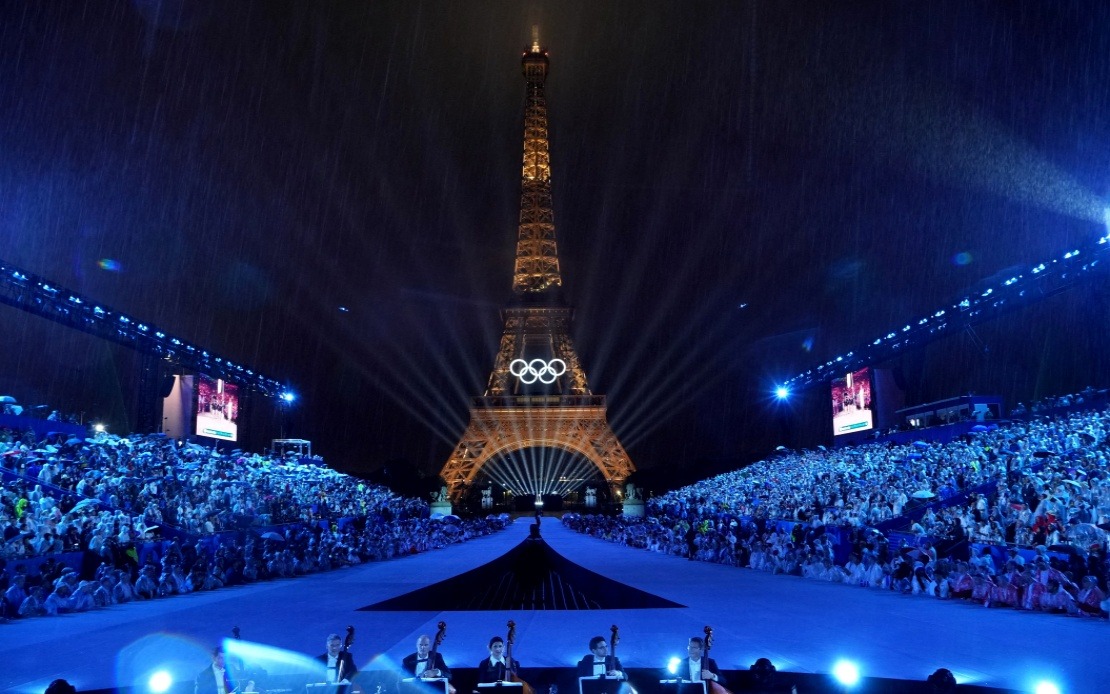
Paris's iconic Eiffel Tower made an unprecedented decision on Tuesday to shut its doors at 4:00 pm local time, several hours ahead of its regular closing time, in response to dangerously high temperatures bearing down on the French capital. The extraordinary measure underscores the severity of the heatwave engulfing France, forcing major tourist attractions to prioritise the wellbeing of both employees and visitors over regular operations. The operating company Sete, which manages the monument, issued the directive after assessing forecasts suggesting conditions would become increasingly hazardous as the day progressed.
Visitors planning to ascend the tower were informed that the last entry would be permitted at 12:15 pm, with those holding tickets for time slots from 11:30 am onwards for stair access and 12:00 pm for lift access eligible for automatic reimbursement. This transparent refund policy aims to mitigate frustration among tourists who may have planned their Paris itinerary around visiting the 130-year-old structure. For many international visitors, the Eiffel Tower remains a must-see destination, making sudden closures particularly disappointing and financially inconvenient.
The Eiffel Tower was not alone in adapting its schedule. The Louvre Museum, home to the world-famous Mona Lisa and countless other masterpieces, announced it would also curtail operations from June 24 through June 27. Rather than remaining open until its customary 6:00 pm closing time, the museum will shut at 4:00 pm throughout this period. Such coordinated action among Paris's premier cultural institutions signals the breadth of concern among authorities and venue operators about the escalating heat threat.
Temperatures across Paris reached 36 degrees Celsius by mid-afternoon on Tuesday, according to Meteo-France, the country's national meteorological authority. Even more alarming, weather forecasters expect the mercury to climb further, with predictions of highs reaching 38 degrees Celsius on Wednesday. These figures represent genuinely exceptional conditions for Paris, where summer temperatures typically remain considerably lower. The persistence of these extreme conditions, projected to continue through at least Thursday, means relief is not anticipated imminently.
The geographical scope of the crisis extends far beyond the capital. Meteo-France placed 54 departments across mainland France under the country's highest alert classification for extreme heat on Tuesday alone. An additional 35 departments were assigned the orange alert level, the second-highest warning tier. This dual-tiered alert system across nearly 90 departments demonstrates that France is contending with a nationwide phenomenon rather than a localised spike.
The decision by both the Eiffel Tower and Louvre reflects genuine occupational health and safety considerations. Staff working in these facilities, particularly those stationed indoors during peak visitor hours, face heightened risk during extreme heat events. Moreover, the physical demands of navigating the Eiffel Tower—climbing stairs or waiting for lifts in crowded conditions—pose tangible dangers when ambient temperatures soar. Elderly visitors and young children remain especially vulnerable to heat-related illness.
For Malaysian and Southeast Asian travellers planning European summer holidays, such disruptions illustrate the growing frequency and intensity of extreme weather events affecting major destinations. Climate scientists increasingly warn that heatwaves are becoming more common across Europe, raising questions about travel planning and the reliability of regular attraction schedules during warmer months. Visitors from tropical climates may underestimate temperate zone heat risks, as physiological adaptation differs significantly between regions.
The economic implications merit consideration as well. Paris's tourism sector, worth billions annually, faces losses when major attractions restrict operations. Hotels, restaurants, and transport services experience reduced footfall when flagship venues close early. The ripple effects extend throughout the hospitality ecosystem, affecting smaller businesses dependent on tourist spending. Insurance implications for tour operators and travel agencies also warrant attention, particularly regarding refund policies and liability during declared weather emergencies.
This episode also highlights infrastructure vulnerabilities in European cities not historically accustomed to sustained extreme heat. Air conditioning systems in older buildings like the Louvre were designed for different climate parameters than what contemporary heatwaves produce. Cooling capacity, energy consumption, and worker comfort represent interconnected challenges requiring both immediate tactical responses and longer-term strategic infrastructure investment.
France's experience provides instructive lessons for Southeast Asian nations already familiar with tropical heat but increasingly affected by climate variability. Urban planning, building standards, and emergency response protocols developed for one climate regime may prove inadequate as weather patterns shift. The French approach—transparent communication, visitor compensation, and prioritisation of human welfare over revenue—establishes a benchmark worth emulating across tourism-dependent economies.