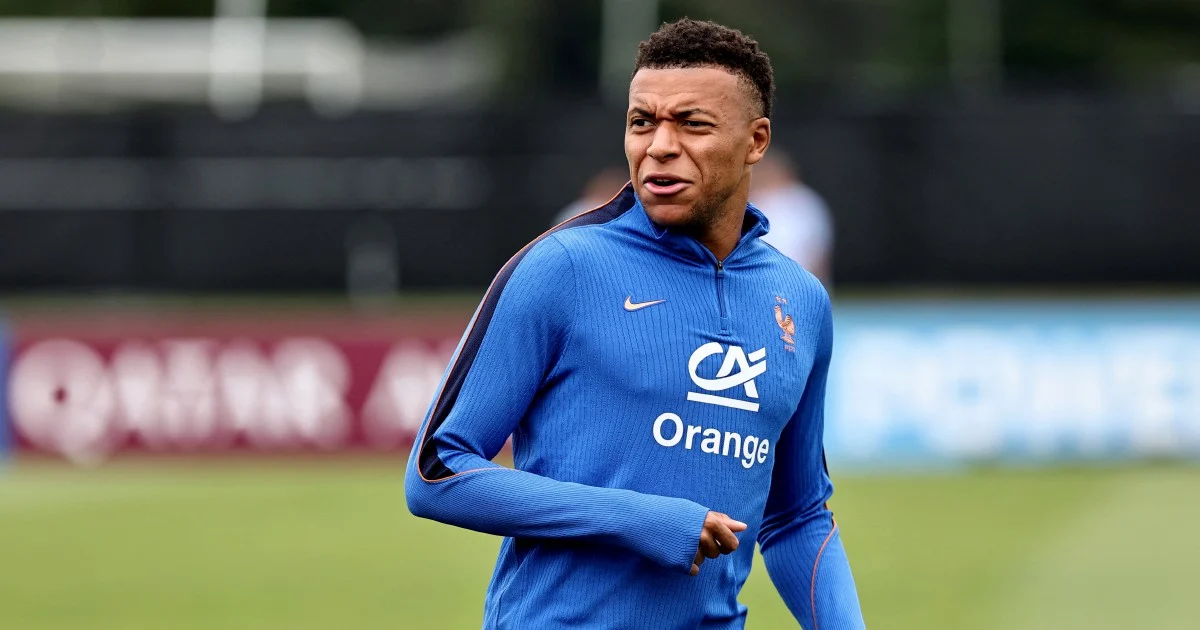
French authorities have taken the unusual step of formally investigating public comments made by a member of Paraguay's legislature regarding Kylian Mbappe, the captain of the French national football team. The Paris public prosecutor's office confirmed on Tuesday that it had initiated the inquiry following the unnamed lawmaker's statements, marking a notable intervention by law enforcement into a matter originating across the Atlantic.
The decision to launch a formal investigation underscores the increasingly fraught relationship between public figures and media scrutiny in the digital age, where remarks made by politicians in one hemisphere can rapidly escalate into diplomatic or legal complications across continents. Mbappe, widely considered one of world football's brightest talents and a global brand ambassador for France, occupies a status that extends far beyond sport—his commercial value, national representation, and public profile have rendered him a figure of consequence in broader social discourse.
Although the precise nature of the Paraguayan lawmaker's comments remains unclear from publicly available details, their severity was sufficient to prompt the Paris prosecutor's office to take formal action. This suggests the remarks may have crossed legal thresholds established under French law regarding defamation, harassment, or other criminal provisions that extend protection to citizens, including prominent athletes. French jurisprudence has historically taken a protective stance toward public figures when their reputations face baseless attacks or when statements veer into territory deemed harmful or false.
Paraguay and France maintain diplomatic relations, yet such incidents can generate friction between governments when legal systems of one nation are invoked against citizens of another. The investigation raises questions about the reach of national legal frameworks in an era of instantaneous global communication, and whether remarks made in a lawmaker's home jurisdiction can legitimately trigger prosecutorial action in a foreign country. International law typically recognises sovereignty, yet cross-border defamation and harassment cases have become increasingly common as digital communications collapse geographical boundaries.
For Malaysian and Southeast Asian observers, this development illustrates how global attention networks can suddenly engulf even domestic political figures when they make comments about international celebrities. Regional lawmakers might take note of the potential legal exposure that accompanies public statements about prominent foreign figures, particularly given the viral nature of social media where remarks can circulate globally within hours. The incident demonstrates that diplomatic status and geographical distance offer limited insulation from legal consequences in interconnected modern systems.
Mbappe himself has navigated considerable public scrutiny throughout his career—from his record-breaking transfer to Paris Saint-Germain, through his starring performances in international tournaments, to his subsequent move to Real Madrid. As a figure of national importance to France, commentary concerning him touches not merely private reputation but also national pride and collective identity around sporting achievement. This may explain why French authorities view certain comments as warranting investigation rather than dismissal as mere political theatre.
The investigation's outcome remains uncertain, and it is unclear whether evidence will ultimately support criminal charges or whether the matter may be resolved through other legal mechanisms. Nonetheless, the mere fact of prosecutorial involvement signals that French officials view the threshold for intervention as having been crossed. This approach reflects contemporary European jurisprudence that increasingly protects public figures from malicious or defamatory speech, balancing press freedom against individual dignity.
The incident also highlights the complex intersection of parliamentary privilege, free speech principles, and criminal law in contemporary democracies. While lawmakers in many jurisdictions enjoy certain protections for statements made in their official capacities, such protections are rarely absolute, and comments made publicly outside formal legislative proceedings may receive less shield from legal consequences.
Larger questions loom about whether investigating comments made by foreign politicians represents an appropriate use of prosecutorial resources or an overreach that could invite reciprocal legal actions by Paraguay or other nations. The matter touches on broader tensions within international relations regarding respect for sovereignty while acknowledging that instantaneous global communication creates spillover effects impossible to contain within national borders. As the investigation progresses, observers across Southeast Asia and beyond will watch whether French authorities pursue charges, settle the matter quietly, or whether diplomatic intervention moderates the process.

