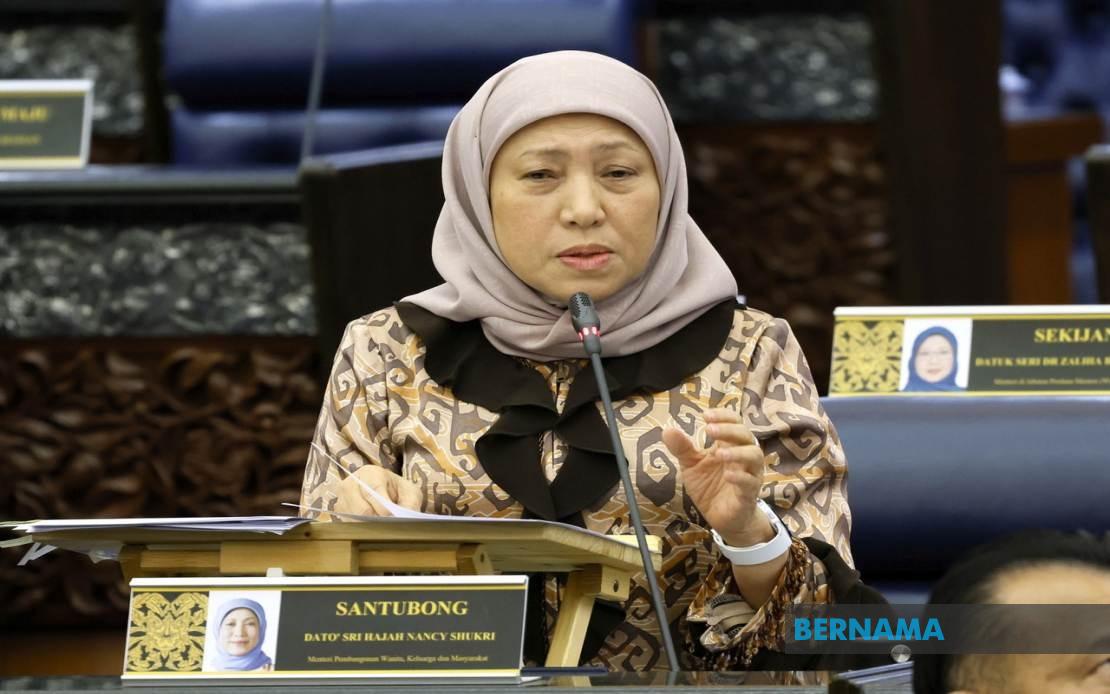
Malaysia's parliament has taken a significant step forward in professionalising the social work sector by approving the Social Work Profession Bill 2026. The legislation establishes the Malaysian Social Work Profession Council, marking the culmination of more than a decade of advocacy to formally recognise and regulate the profession. Datuk Seri Nancy Shukri, Minister of the Women, Family and Community Development Ministry, emphasised the government's long-term commitment to developing comprehensive oversight for all social workers, while acknowledging the current complexities in bringing public sector practitioners under unified regulation.
The bill's passage reflects broad support across the political spectrum, with 23 Members of Parliament from both government and opposition benches contributing to the debate. This cross-party consensus underscores the recognition that social work—encompassing child protection, support for persons with disabilities, elderly care, and family assistance—requires professional standards and accountability. The staged implementation approach reflects pragmatism: the Council will be established first, followed by regulatory expansion as institutional capacity develops. This phased timeline allows the new body to build frameworks and guidelines without overwhelming existing systems.
Under the initial regulatory phase, private sector social workers face mandatory registration requirements. This encompasses practitioners employed by non-governmental organisations, community-based organisations, corporate entities, and independent practitioners. The registration mandate signals a shift toward professionalisation in a sector previously fragmented across multiple institutional settings with varying standards. However, public sector social workers currently face a more lenient requirement: they need only register if they practice social work outside their official government duties. This distinction acknowledges that government employees already operate under existing supervision systems, training protocols, and codes of ethics, though it has sparked debate about equitable professional standards.
The exemption for public sector practitioners has drawn scrutiny from parliamentarians concerned about consistency. Howard Lee, representing Ipoh Timor, raised substantive questions about why government social workers handling high-risk cases—including child protection and support for vulnerable populations—should not meet identical professional standards as their private sector counterparts. His intervention reflects growing awareness that professional standards should be uniform regardless of employment sector, particularly when vulnerable populations depend on the quality of service delivery. The tension between acknowledging existing public sector oversight and implementing comprehensive new professional requirements suggests future amendments may be necessary as the Council develops its regulatory framework.
The Council's mandate extends significantly beyond simple registration. It will develop regulations, guidelines, and frameworks establishing minimum qualifications and professional competencies. The body will establish complaints mechanisms, draft safety guidelines for practitioners, and explore proposals including a national social worker reciprocity plan—a particularly relevant consideration in Southeast Asia's increasingly mobile professional environment. These functions position the Council as a capacity-building institution rather than purely a gatekeeping authority, recognising that professionalisation requires supporting infrastructure and continuous improvement mechanisms.
Minister Shukri clarified important boundaries within the legislation. The bill does not regulate volunteers or caregivers, focusing exclusively on professional practitioners, which prevents unnecessary bureaucracy while targeting oversight where it matters most. Minimum wage matters remain subject to existing employment legislation, meaning the Council's role is narrowly focused on professional standards rather than labour regulation. The government will fund the Council's operations through annual budget allocations, removing dependency on practitioner fees alone and enabling equitable access to regulation regardless of individual practitioners' financial circumstances.
Implementation will unfold in stages to allow institutional development. Initially, the registration system for private sector practitioners will be established, permitting the Council to build administrative capacity and develop core regulatory frameworks. Only after this foundation solidifies will the government pursue the more complex integration of public sector practitioners, acknowledging the coordination challenges across multiple government agencies and the existing layered oversight already in place. This measured approach reflects understanding that regulatory institutions require time to mature and that premature expansion could create implementation failures.
Parliamentary contributions highlighted specific sectoral concerns. Dr. Halimah Ali advocated for government incentives including grants to NGOs, scholarships, and rural placement incentives, recognising that professional recognition must be accompanied by support enabling practitioners to build sustainable careers. Lim Lip Eng emphasised the importance of independence and transparency in the Council's operations, alongside balanced and fair enforcement mechanisms, reflecting concerns that regulatory bodies can become tools for exclusion without proper safeguards. These interventions ensure the legislation anticipates implementation challenges beyond the basic regulatory framework.
Regional variations received attention, particularly from Datuk Siti Aminah Aching, who emphasised the need for competitive career schemes across Malaysia including Sabah and Sarawak. This concern reflects broader patterns of professional opportunity concentration in peninsular Malaysia, where institutional capacity tends to be stronger. The social work profession, like many professions, risks replicating these geographical inequalities unless deliberately structured to support dispersed practice and career development. The mention of Sabah and Sarawak in parliamentary debate signals awareness of these dynamics.
The legislation addresses a critical gap in Malaysia's professional regulatory landscape. Unlike medicine, law, or engineering, social work has operated without a unified professional body or consistent standards, despite practitioners regularly making decisions affecting vulnerable populations. The new Council will establish baseline competencies, ethical standards, and accountability mechanisms previously lacking. This professionalisation improves accountability to service users and establishes quality benchmarks that can influence service outcomes, particularly for marginalised populations relying on social services.
For Malaysia's broader public sector reform agenda, the Social Work Profession Bill 2026 demonstrates emerging recognition that effectiveness in social services depends on professional standards comparable to other government-regulated sectors. The phased approach acknowledges tensions between rapid professionalisation and institutional readiness, a balance increasingly important as Malaysia develops more sophisticated human development frameworks. The Council's eventual role in developing national standards positions it as central to improving service quality across NGO, government, and private sectors simultaneously.
Looking forward, the implementation period will determine whether the Council becomes a genuine professional body elevating standards or a bureaucratic registration mechanism. Parliamentary oversight, adequate funding, and independence from political interference will shape outcomes. The success of private sector regulation will likely influence decisions about extending requirements to public sector practitioners, making the initial phase's execution particularly significant. As Southeast Asia increasingly professionalises social work—recognising that poverty reduction, social cohesion, and vulnerable population protection require skilled practitioners—Malaysia's legislative framework positions it as a regional reference point for how governments can formalize and upgrade the profession while managing coordination across fragmented institutional landscapes.

