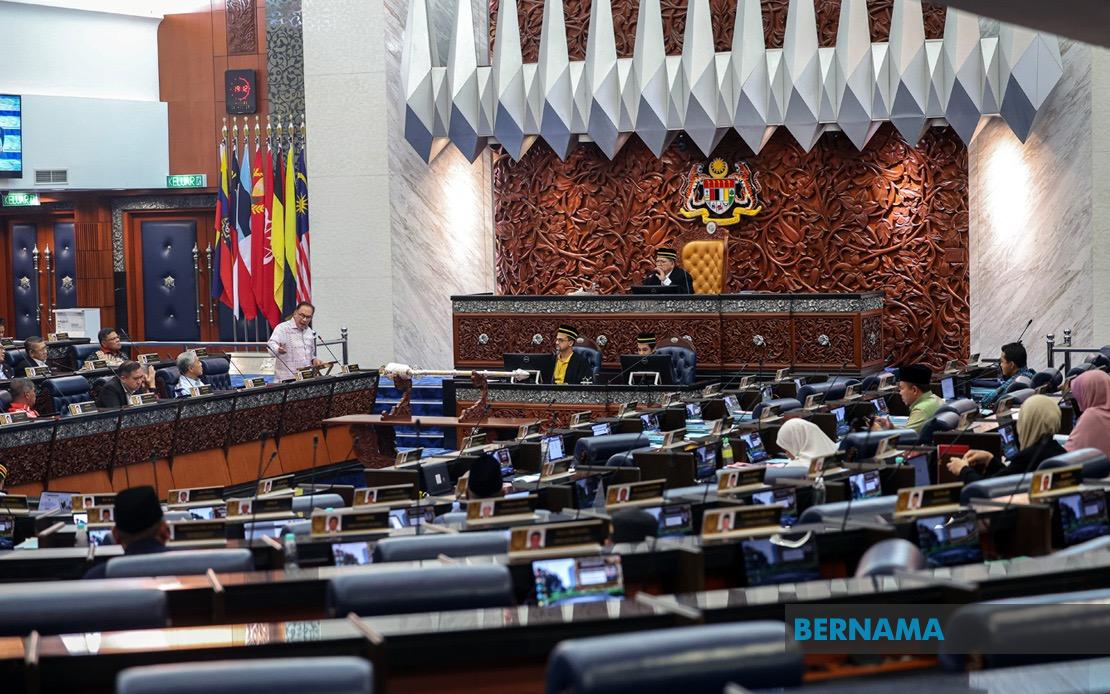
Parliament has given its blessing to a tiered penalty framework designed to encourage employers to comply with job vacancy notification requirements under the Employment Insurance System. The Dewan Rakyat's approval on June 30 follows months of deliberation and consultation, culminating in a structure that seeks to balance strict enforcement with practical business considerations across Malaysia's diverse economic landscape.
The amendments introduce three-tier penalties for employers who neglect to report job openings to PERKESO, the country's social security organisation. A first breach attracts a fine of RM1,000, while a second offence incurs RM3,000. Employers facing a third or subsequent violation can be penalised up to RM5,000. This graduated approach represents a significant softening from the government's initial proposal, which contemplated maximum penalties of RM10,000, a concession wrung from authorities through sustained engagement with the business community.
Deputy Human Resources Minister Datuk Khairul Firdaus Akbar Khan characterised the amendments as embodying a philosophy prioritising education and voluntary compliance over punitive enforcement. Rather than immediately imposing financial penalties, employers receiving notification of non-compliance will first be issued directives stipulating a reasonable timeframe for corrective measures. Only when businesses fail to respond to these compliance notices will fines be imposed. This two-step approach reflects departmental recognition that many employers, particularly smaller operations, may lack familiarity with regulatory obligations or the administrative infrastructure to implement reporting routines.
The legislative journey reveals the influence of industry feedback on policy outcomes. Throughout the amendment process, PERKESO conducted extensive consultation sessions with employers across various sectors nationwide. Their concerns centred on two fronts: the financial burden of maximum penalties and the practical difficulties of navigating reporting systems. These discussions directly shaped the final penalty structure, with the ceiling falling from RM10,000 to RM5,000 and the entry-level fine settling at RM1,000 rather than higher thresholds initially contemplated. The process demonstrates how Parliament responds to stakeholder input, though questions remain about whether smaller and rural enterprises possess adequate awareness of their obligations.
Parliamentary debate revealed a cautious consensus around the reforms. Thirteen MPs across government and opposition benches participated in the discussion, each contributing perspectives rooted in their constituencies' circumstances. A recurring theme centred on system usability. Several MPs emphasised that success depends less on penalty severity and more on whether PERKESO provides intuitive, accessible reporting mechanisms. The data generated through these notifications serves multiple policy objectives: matching jobseekers with available positions, tracking unemployment trends, and enabling evidence-based labour market interventions. If the system remains cumbersome or poorly publicised, compliance will suffer regardless of financial incentives.
Nurul Amin Hamid, representing Padang Terap in Kedah, welcomed the penalty reduction but flagged a critical implementation challenge. Rural businesses often operate with limited exposure to regulatory frameworks and technological systems. Without sustained outreach and practical support, rural employers risk inadvertently triggering penalties through ignorance rather than wilful non-compliance. This concern speaks to a broader governance question: whether centralised policies adequately account for the heterogeneous capacity of Malaysian businesses to absorb and implement compliance requirements, particularly outside major urban centres.
Syerleena Abdul Rashid championed transparency in the vacancy notification process, advocating for job advertisements to be published through government portals accessible to jobseekers. This perspective links employer compliance with worker protection objectives. By channelling vacancy notices through official government platforms, authorities can simultaneously track employer reporting behaviour and ensure prospective workers encounter opportunities through transparent, regulated channels rather than informal networks that may disadvantage certain demographic groups.
Azahari Hasan highlighted the economic rationale underpinning the reporting requirement. Systematic data on available positions enables more sophisticated labour market analysis and targeted employment policies. When vacancies remain invisible to policymakers, unemployment interventions operate in informational darkness. Effective job matching between workers and positions depends on accurate, timely vacancy data. For Malaysia, where youth unemployment and skills mismatches constitute persistent challenges, enhanced visibility of job opportunities represents an important policy lever.
The amendments come at a moment of considerable focus on employment and economic participation. Regional competition for talent intensifies, and Malaysia's ability to retain and deploy its workforce efficiently carries strategic importance. The Employment Insurance System provisions sit within a broader ecosystem of labour policies, competing against other Southeast Asian jurisdictions for foreign investor confidence and domestic employment quality. Effective vacancy reporting theoretically improves labour market matching, potentially reducing search friction and accelerating economic activity.
Implementation success will hinge on PERKESO's capacity to maintain sustained employer engagement beyond parliamentary passage. The compliance notice mechanism requires administrative resources and consistent follow-through. Employers must receive clear communication about obligations, accessible guidance on compliance procedures, and reasonable opportunity to correct behaviours before financial consequences materialise. Without these elements, the penalty structure risks appearing punitive rather than developmental, potentially generating employer resentment and fostering compliance through coercion rather than genuine integration of reporting into business operations.
Looking ahead, the effectiveness of these amendments will become apparent through compliance data over the coming months and years. PERKESO will accumulate information about how many employers receive compliance notices, how many subsequently report vacancies, and how many ultimately face penalties. This empirical record will reveal whether the graduated penalty approach achieves its dual objectives: sufficient deterrence to motivate compliance while remaining proportionate to the administrative burden of reporting. For policymakers evaluating labour market interventions, the Employment Insurance System amendments represent a testable hypothesis about how to balance enforcement with support in achieving voluntary regulatory compliance.

