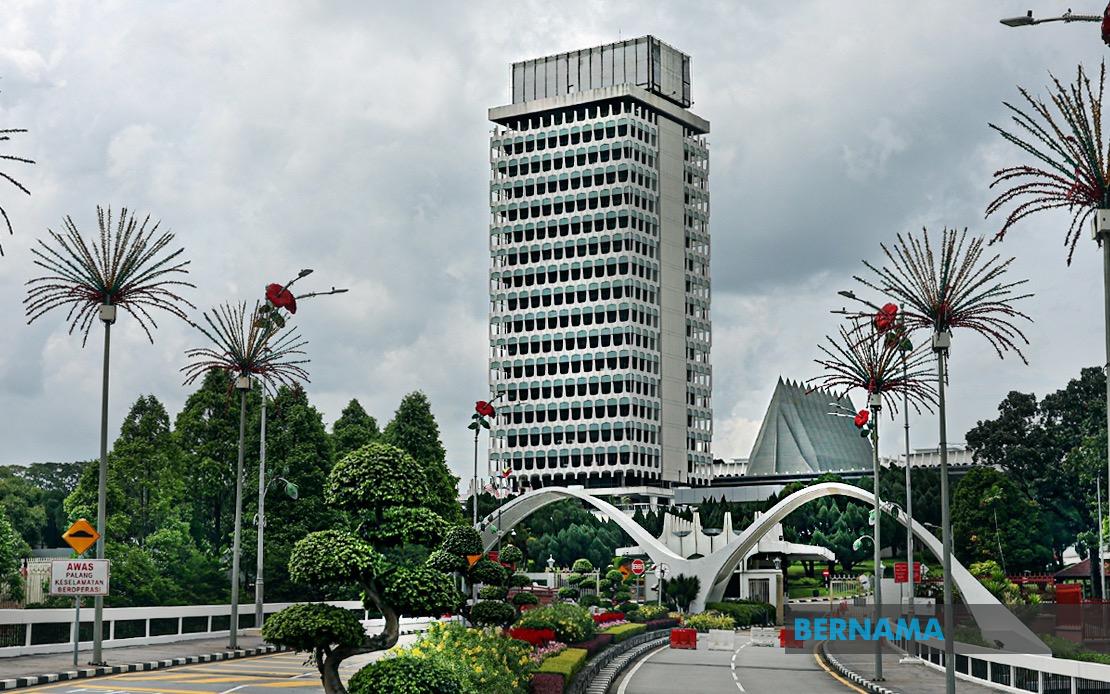
The Dewan Rakyat commenced deliberations on July 1 on several matters of economic and institutional significance, with parliamentarians preparing to scrutinise government initiatives spanning human rights governance, cost-of-living pressures, and educational alignment with industry needs. The agenda reflects growing parliamentary concern over how official economic metrics translate into tangible improvements for ordinary Malaysians, alongside structural reforms intended to strengthen independent institutions.
Central to this week's parliamentary business is a proposed overhaul of the Human Rights Commission of Malaysia (SUHAKAM) Act 1999, with Selangor MP Teresa Kok Suh Sim raising questions about the commission's financial sustainability. Her enquiry focuses on whether SUHAKAM might diversify revenue streams through training delivery and educational programmes, thereby reducing reliance on annual government appropriations. This line of questioning suggests recognition that stable, independent funding mechanisms could strengthen the commission's operational autonomy and expand its public engagement capacity. The commission, established over two decades ago, has faced periodic questions about whether its current budgetary model constrains its institutional effectiveness and reach.
Equally pressing is the widening chasm between Malaysia's official inflation rate and what households actually experience at supermarket tills, petrol pumps, and rental markets. Kelantan MP Mohd Syahir Che Sulaiman has directed the Economy Minister to clarify how government measures the gap between headline inflation statistics and the lived reality of cost-of-living pressures affecting consumers. This enquiry touches on a persistent tension in Malaysian economic policy: whether aggregate growth metrics accurately capture the purchasing power squeeze experienced by middle and lower-income families. The question implicitly challenges whether current measurement frameworks adequately reflect the basket of goods and services ordinary Malaysians depend upon, particularly food, energy, and housing.
Moreover, Syahir's query extends to the mechanisms through which economic expansion supposedly translates into household welfare improvements. This reflects scepticism among some lawmakers that growth rates alone ensure improved living standards if wage growth, employment stability, and social safety nets do not keep pace. The inquiry demands clarity on which indicators policymakers monitor to verify that expansion benefits reach workers and consumers, rather than concentrating gains among capital holders and exporters. This framework question matters significantly for Malaysia's economic credibility and social stability, particularly as inflation pressures persist across the Southeast Asian region.
The parliamentary agenda also encompasses land governance challenges specific to Kuala Lumpur's urban infrastructure. Selangor MP V. Ganabatirau will ask the Prime Minister about progress in reviewing procedures governing flood retention ponds and related land transfers or zoning changes. This issue reflects the capital's ongoing struggle with flood management in densely populated areas, where encroachment, development pressures, and changing land uses have historically compromised drainage systems. A comprehensive review of how land conversions affecting flood mitigation infrastructure are approved could strengthen environmental and safety oversight in urban planning.
Education and workforce development feature prominently in parliamentary questioning, with Kubang Pasu MP Datuk Dr Ku Abd Rahman Ku Ismail seeking data on the proportion of higher education students enrolled in STEM disciplines versus humanities and social sciences. His supplementary interest in engineering pipeline targets suggests concern about whether Malaysia's tertiary education system is producing sufficient skilled graduates for high-technology sectors. This question reflects broader regional competition for technical talent and Malaysia's aspirations to move up the technology value chain. The Education Ministry will need to articulate whether current enrolment patterns align with labour market demands or whether incentives and curriculum design should shift to attract more students toward technical fields.
TheParliament's legislative calendar includes scheduled tabling of the Cybercrime Bill 2026 for second reading by a minister in the Prime Minister's Department. This legislation comes amid rising concerns across Southeast Asia about digital fraud, ransomware attacks on critical infrastructure, and cross-border cybercriminal networks. Malaysia's bill will likely address jurisdictional questions, evidence standards for digital crimes, and coordination between law enforcement and the private sector. The timing of this legislative initiative reflects the region's growing vulnerability to sophisticated cyber threats targeting financial institutions, government systems, and private enterprises.
The Second Meeting of the Fifth Session of the 15th Parliament runs for 16 sitting days through July 16, providing an extended window for substantive debate on these and other matters. The duration itself signals that government and opposition alike anticipate multiple complex issues requiring detailed parliamentary scrutiny. This session promises to test whether Malaysia's legislative processes can adequately address the tension between macro-economic indicators that look favourable to investors and the microeconomic realities facing households managing inflation, education costs, and uncertain employment prospects.
These parliamentary priorities collectively outline a nation wrestling with questions of institutional independence, economic fairness, infrastructure resilience, and workforce readiness. The questions raised suggest that beyond headline growth figures, lawmakers from both government and opposition benches recognise structural challenges requiring sustained policy attention. How the government responds to these enquiries will signal its willingness to address both the perception and reality of economic inclusion across Malaysian society.

