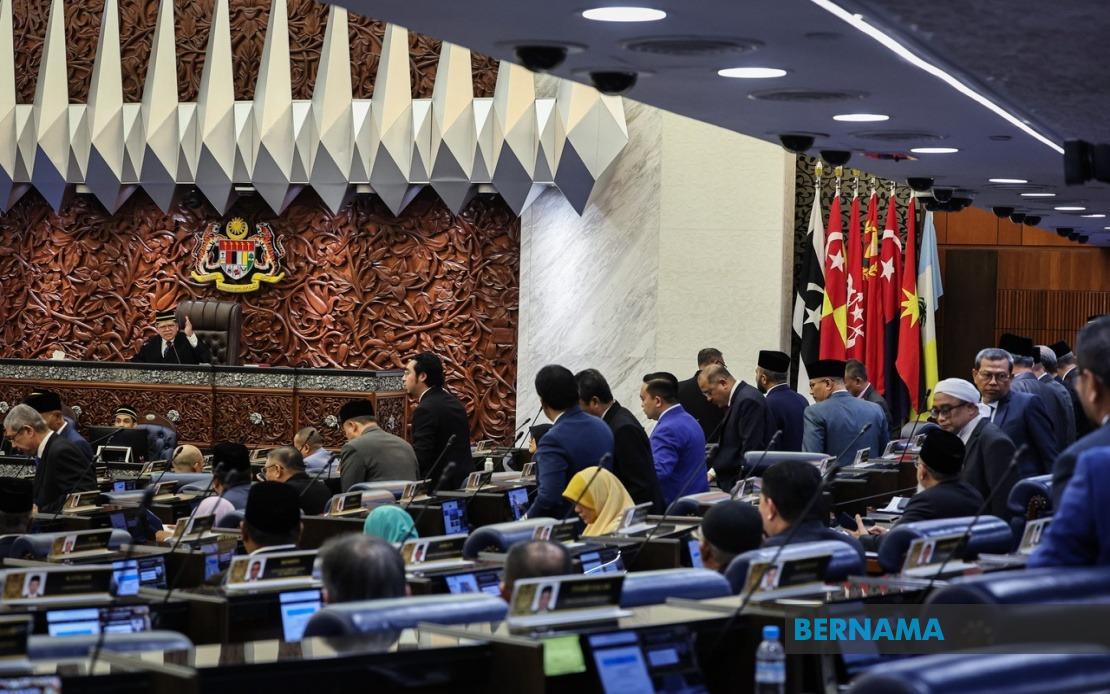
Parliament convened in special session to provide legislators with an extended opportunity to scrutinise the findings of the Royal Commission of Inquiry into Lembaga Tabung Haji, the statutory Islamic pilgrimage fund administrator, marking a significant moment in the country's efforts to enhance transparency in governance. The sitting, held under constitutional provisions that permit such extraordinary parliamentary occasions, underscored the government's commitment to ensuring comprehensive oversight of a controversy that has drawn considerable public attention in recent months.
Speaker Tan Sri Johari Abdul confirmed that the proceedings were conducted under Standing Order 11(3) of the parliamentary rulebook, a mechanism activated only when circumstances demand broader deliberation beyond the ordinary legislative calendar. The decision to convene followed a formal request submitted by Prime Minister Datuk Seri Anwar Ibrahim, who determined that the complexity and public significance of the RCI's conclusions warranted dedicated parliamentary time devoted entirely to this matter.
The Speaker's role in facilitating the special sitting highlights the delicate balance between executive initiative and parliamentary prerogative. By invoking the constitutional standing order, the Prime Minister's office essentially signalled that the findings warranted the kind of comprehensive debate that routine parliamentary business, constrained by fixed agendas and time allocations, could not adequately provide. This procedural mechanism, while available to senior government officials, represents a relatively formal acknowledgment that an issue demands full legislative attention.
Membership across the political spectrum received equal opportunity to contribute to the discussion, with the Speaker explicitly emphasising that legislators from both government and opposition benches would be heard on the principal discoveries contained within the RCI report. This cross-party engagement reflects broader parliamentary expectations that matters affecting the public welfare should transcend partisan divisions, particularly when institutional failures or governance lapses form the subject matter.
The Tabung Haji controversy has captured sustained media and public concern across Malaysia and among diaspora communities with connections to the fund. The institution manages accumulated savings from tens of thousands of Malaysians intending to undertake the Islamic pilgrimage to Mecca, making its financial stewardship and administrative integrity matters of direct personal consequence for hundreds of thousands of families. The RCI's investigation into the fund's operations therefore represents an examination with implications extending far beyond technical administrative questions into matters of fiduciary responsibility and institutional trustworthiness.
Parliamentary scrutiny of such matters carries particular weight in the Malaysian system, where the legislature functions as a primary accountability mechanism for public institutions. The special sitting arrangement amplified this oversight function by dedicating uninterrupted parliamentary time to exploring the RCI's methodology, findings, and recommendations without competing against routine legislative business or time-limited debate schedules.
The timing of the special sitting also reflected evolving expectations regarding governmental transparency and public communications about institutional failures. Rather than releasing the RCI report through press channels or administrative notification, parliament became the primary venue for official presentation and initial legislative response. This approach subordinated executive discretion about information management to parliamentary procedures requiring direct ministerial accountability to the legislature.
The briefing scheduled to follow the debate would permit government ministers to elaborate upon the RCI's key conclusions and outline any administrative or policy responses being contemplated. This sequential arrangement—parliamentary debate preceding ministerial explanation—inverted the conventional order where governments typically present information before legislatures, instead allowing legislators to establish the terms of discussion before officials formally responded to parliamentary inquiries.
For Malaysian readers, the special sitting illustrated how parliamentary mechanisms can be mobilised to address contemporary governance challenges, particularly when public institutions require examination following controversy. The event demonstrated that despite Malaysia's complex political landscape and occasional tensions between legislative and executive branches, procedures exist to permit comprehensive institutional scrutiny when circumstances warrant such attention.
The Tabung Haji RCI debate also carried broader significance for Southeast Asian governance discussions, as neighbouring democracies grapple with comparable questions about financial institution oversight, pilgrimage fund administration, and public accountability. Malaysia's willingness to conduct public parliamentary examination of such matters provides regional precedent for legislative engagement with institutional controversies.
Looking forward, the parliamentary outcomes and recommendations emerging from this special sitting would likely influence policy discussions regarding statutory fund governance, internal audit mechanisms, and regulatory frameworks applicable to religious and welfare-related financial institutions throughout the Malaysian public sector. The transparency achieved through open parliamentary debate creates documented legislative expectations against which future governmental responses would be measured.

