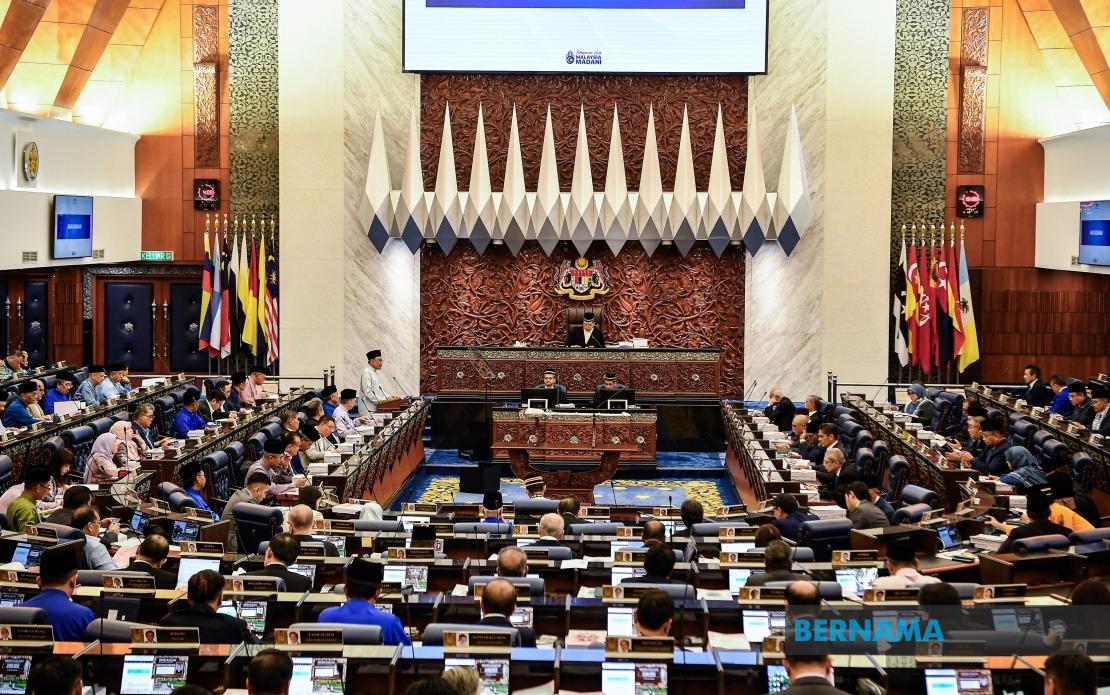
Parliament has cleared the Cybercrimes Bill 2026, marking a significant step in Malaysia's efforts to combat emerging digital threats. The Dewan Rakyat approved the comprehensive legislation on July 1st through a majority voice vote after substantive debate involving 48 government and opposition lawmakers. The 61-clause Bill represents an acknowledgement that existing legal frameworks are inadequate to address modern cybercriminal activity, particularly offences involving synthetic media and the weaponisation of intimate imagery.
The legislation's primary focus centres on two critical vulnerabilities in Malaysia's current digital environment: deepfakes—artificially generated or manipulated multimedia content—and the creation and distribution of falsified intimate images using advanced computer technology. Both phenomena have grown increasingly sophisticated, enabling perpetrators to cause severe reputational, psychological, and social harm to victims with relative impunity. The Bill's passage reflects growing regional and international concern about these threats, which disproportionately affect women and can facilitate harassment, blackmail, and identity theft.
Deputy Prime Minister Datuk Seri Dr Ahmad Zahid Hamidi provided critical assurances during the parliamentary wind-up that the legislation does not establish unchecked enforcement authority or diminish existing legal protections. He emphasised that the Bill operates within Malaysia's established constitutional framework and does not supersede legislation such as the Official Secrets Act 1972. This positioning is significant for stakeholders concerned about surveillance overreach, as it signals the government's intention to balance cybersecurity imperatives with civil liberties protection.
A cornerstone of the Bill's design involves strict procedural requirements governing law enforcement access to digital systems and data. Rather than granting authorities broad investigative powers, the legislation mandates that data preservation notices may only be issued when investigating officers demonstrate reasonable necessity and document genuine risk of evidence destruction, alteration, or deletion. This threshold requirement prevents arbitrary issuance and creates an audit trail for judicial oversight. The framework essentially transforms data access from a discretionary tool into a remedial measure justified by immediate investigative need.
The disclosure and sharing of computer data operates under similarly stringent conditions. According to Ahmad Zahid's clarification, such activities must occur through formal written notice to the data subject—whether an individual or entity controlling the information. This procedural requirement ensures transparency and allows recipients opportunity to challenge unlawful requests. The government emphasised that all such disclosures must connect to legitimate investigative purposes, effectively creating a nexus requirement between data access and lawful investigation objectives.
The Bill's passage carries particular significance for Malaysia's digital economy and technology sector. Many multinational technology companies operating in the region have expressed concerns about data sovereignty and surveillance practices, making legislative clarity around access procedures increasingly important for investment decisions and talent attraction. By embedding procedural safeguards into the cybercrimes framework, Malaysia signals commitment to regulated rather than ad-hoc enforcement, potentially addressing investor concerns while maintaining genuine security capacity.
For Malaysian citizens, the legislation offers new protections against intimate image abuse, which has emerged as a serious problem in Southeast Asian societies where victims often face compounded harm through social stigma and limited legal recourse. The Bill's specific criminalisation of deepfakes and manipulated intimate imagery fills a conspicuous gap in existing law, where such content previously fell into regulatory grey zones. This clarity may encourage more victims to report incidents and assist law enforcement in prosecuting perpetrators.
The 48-lawmaker debate preceding the vote demonstrates cross-party engagement with the Bill's implications, suggesting the legislation underwent substantive scrutiny from multiple political perspectives. Opposition participation in the debate indicates neither blanket endorsement nor rejection but rather substantive discussion about the balance between security and liberty. This deliberative process, while sometimes lengthy, contributes to legislative legitimacy and public confidence in the final product.
The Bill's effectiveness will depend significantly on implementation infrastructure. Malaysian law enforcement agencies, judicial institutions, and data protection authorities will require training, resources, and coordination mechanisms to operationalise the legislation's procedural requirements effectively. The success of any cybercrime framework ultimately rests on whether authorities possess capacity to investigate complex digital offences and whether prosecutors can secure convictions under new statutory provisions.
Regionally, Malaysia's legislative approach may influence other Southeast Asian governments grappling with similar challenges. The Bill represents a middle-ground position—establishing genuine criminal accountability for harmful synthetic media while maintaining judicial oversight of enforcement. Countries such as Singapore, Thailand, and Indonesia, which face comparable deepfake and intimate image abuse problems, may reference Malaysia's model when developing their own responses.
The passage also reflects Malaysia's evolving relationship with digital regulation generally. Whereas earlier legislation often prioritised state security or content control, the Cybercrimes Bill 2026 centres on protecting individuals from harm caused by sophisticated digital tools. This victim-centric framing suggests a maturation in Malaysian regulatory thinking toward addressing genuine harms while respecting broader civil liberties norms that international partners increasingly expect.
Stakeholders including civil society organisations, technology companies, and digital rights advocates will likely monitor implementation closely. The true measure of the Bill's success will emerge not from its passage but from how equitably and transparently authorities exercise the powers it provides, whether victims achieve meaningful justice, and whether the procedural safeguards actually constrain overreach or become formulaic rubber-stamps for investigative requests.

