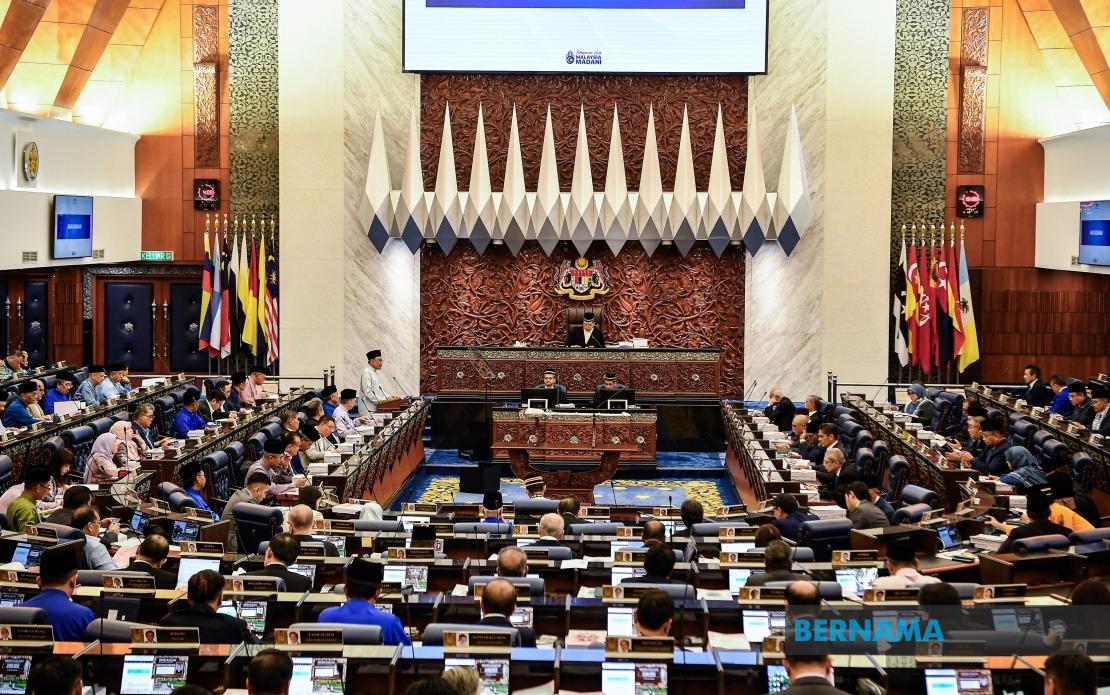
Parliament has passed legislation designed to strengthen Malaysia's communications and multimedia regulator as the country navigates an increasingly complex digital landscape. The Dewan Rakyat approved the Malaysian Communications and Multimedia Commission (Amendment) Bill 2026 following debate by 14 MPs spanning both government and opposition benches, representing broad parliamentary consensus on the need to modernise the regulatory framework governing the sector.
The amendment arrives at a critical juncture for Malaysia's digital economy. The MCMC has operated under legislative provisions largely unchanged since 1998, a period that has witnessed revolutionary transformations in telecommunications technology, broadband infrastructure, and multimedia convergence. Deputy Communications Minister Teo Nie Ching emphasised that the reforms ensure the commission can function effectively as Malaysia's economy increasingly depends on reliable communications infrastructure and competitive media markets. The statutory body faces mounting pressures to regulate emerging technologies, manage spectrum allocation, and oversee infrastructure deployment at a pace that outdated legislation struggled to accommodate.
A centrepiece of the amendment concerns procurement authority. The Bill raises MCMC's financial ceiling for contract approvals from RM5 million to RM50 million, aligning the regulator with federal procurement guidelines issued by the Ministry of Finance. According to procurement regulations for federal statutory bodies designated WP7.5, fully internally-funded agencies may approve procurements reaching RM499 million. The ministry determined that RM50 million represented an appropriate threshold for MCMC, balancing operational efficiency with fiscal prudence. This increase reflects practical realities facing modern communications infrastructure: broadband deployment projects, spectrum auction administration, and digital transformation initiatives routinely exceed five million ringgit in contract value. Material costs, labour expenses, and technological requirements have escalated substantially since 1998, necessitating corresponding adjustments to procurement thresholds to prevent administrative bottlenecks that might delay critical infrastructure projects.
The amendment also introduces procedural safeguards intended to insulate the regulator from partisan manipulation. New provisions require that the MCMC chairman cannot simultaneously serve in any legislative body—a straightforward yet symbolically important measure designed to prevent conflicts of interest arising when regulators maintain parliamentary seats. While the 1998 legislation granted ministers authority to appoint the chairman and commissioners based on qualifications, integrity, and experience, the amendment formalises these criteria and explicitly prohibits dual roles that might compromise regulatory neutrality. For Malaysian stakeholders accustomed to concerns about regulatory capture or political interference in key institutions, this clarification offers modest reassurance of institutional independence.
However, opposition voices articulated deeper anxieties regarding the appointment framework's transparency. Dr Halimah Ali of Perikatan Nasional urged the government to adopt mechanisms resembling those employed by the Human Rights Commission of Malaysia (SUHAKAM), wherein commissioners undergo vetting through more transparent, expertise-driven processes rather than remaining subject solely to ministerial discretion. She advocated recording and tabling all ministerial directives in Parliament, thereby creating public accountability mechanisms. Her intervention reflected broader regional and global concerns that regulatory bodies governing communications—an increasingly political domain affecting press freedom, information access, and political speech—require institutional insulation beyond cosmetic restrictions. The SUHAKAM model, while itself debated, represents an alternative paradigm where diverse stakeholders participate in commissioner selection, theoretically reducing the concentration of appointment power.
Datuk Mas Ermieyati Samsudin advanced complementary concerns about checks and balances, particularly regarding the Universal Service Provision (USP) Fund, an important mechanism ensuring telecommunications access across economically disadvantaged regions. She advocated periodic parliamentary reporting on fund utilisation and stronger audit mechanisms to ensure transparent stewardship. The USP Fund exemplifies how regulatory bodies deploy revenue to achieve social objectives; without robust reporting requirements, such mechanisms risk becoming opaque budget lines resistant to parliamentary scrutiny. Her emphasis on transparency reflected understanding that regulatory independence requires not autonomy from democratic oversight but rather accountability through clear, regular reporting to elected representatives.
Dr Richard Rapu of Gabungan Parti Sarawak characterised the amendments as foundational investments in institutional capacity. He contended that strengthened structural provisions would equip the MCMC to address emerging challenges in the digital economy—from cybersecurity governance to artificial intelligence regulation—with the professional independence and operational flexibility such complex issues demand. This perspective frames regulatory modernisation not as bureaucratic convenience but as essential infrastructure for economic competitiveness. As Southeast Asian nations compete to attract digital investment and develop homegrown technology sectors, regulatory frameworks requiring frequent legislative amendment become competitive disadvantages, discouraging long-term infrastructure planning by private operators uncertain of regulatory stability.
The Bill's passage reflects particular urgency surrounding Malaysia's digital transformation agenda. The government has positioned digital infrastructure and capabilities as central to economic diversification and middle-income transition. The communications regulator necessarily plays a crucial role in facilitating this transition through spectrum management, broadband deployment oversight, and competitive safeguards ensuring diverse industry participation. Outdated procurement thresholds and unclear governance frameworks create friction opposing these objectives; the amendment removes certain obstacles, though observers note it does not fundamentally restructure appointment mechanisms that remained contested during debate.
The amendments represent incremental modernisation rather than comprehensive reform. While raising procurement limits and clarifying conflict-of-interest provisions, they preserve ministerial appointment authority—the central governance principle critics questioned. The government's resistance to SUHAKAM-style appointment mechanisms suggests confidence in existing frameworks, or perhaps reluctance to cede any appointments authority to more pluralistic processes. This tension between modernisation and continuity will likely resurface as communications regulation evolves in response to technological disruption and social change.
Looking forward, the MCMC faces mounting challenges in regulating convergent telecommunications and media markets, managing cybersecurity risks, and balancing innovation incentives against consumer protection. Whether the amended legislation provides sufficient institutional flexibility to address these challenges effectively remains to be demonstrated. The threshold adjustments and governance clarifications represent necessary steps toward regulatory adequacy, yet deeper questions about appointment transparency and institutional independence—evident from parliamentary debate—suggest that stakeholders perceive the amendments as incomplete. For Malaysian communications industry participants, infrastructure investors, and consumers, the practical significance of these changes will emerge through their application to concrete regulatory dilemmas inevitably arising as digital technologies continue reshaping Malaysia's communications landscape.

