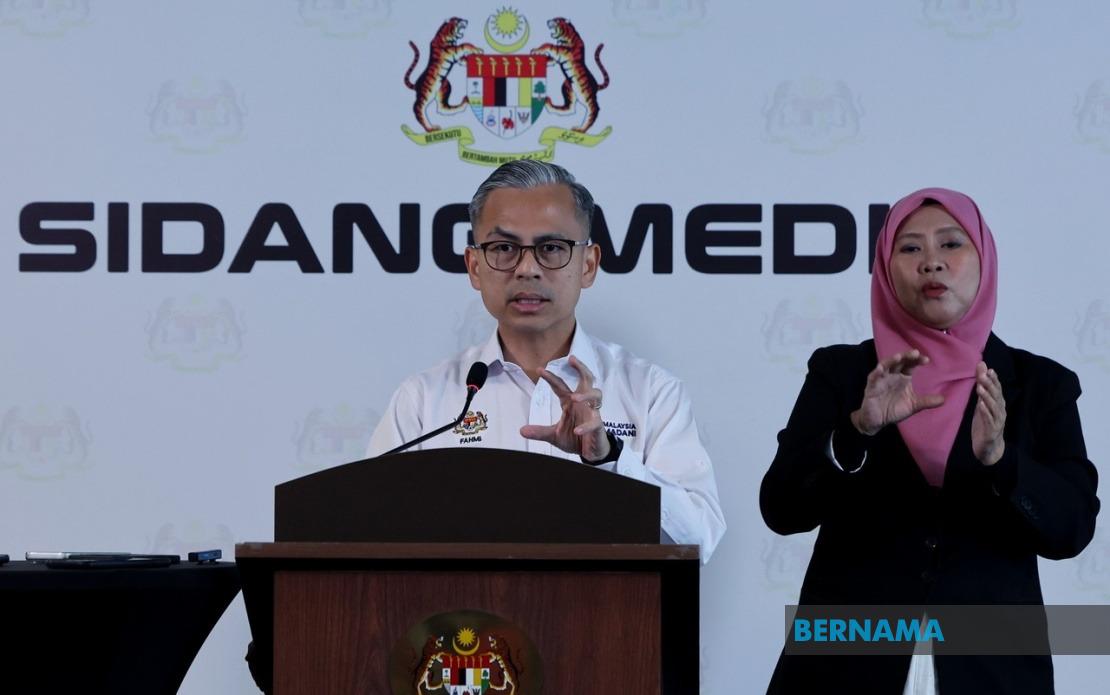
Parliament is bracing for an extended debate on the governance failures at Tabung Haji, with Communications Minister Datuk Seri Fahmi Fadzil confirming that between 35 and 40 Members of Parliament have registered their interest in participating in a special Dewan Rakyat sitting dedicated to the Royal Commission of Inquiry findings. The historic sitting, which will commence at 10 am on August 11, represents a significant moment of parliamentary accountability as legislators across the political spectrum prepare to scrutinise one of Malaysia's most troubled state-owned enterprises.
The decision to convene a continuous parliamentary session without scheduled breaks underscores the gravity with which the government views the RCI findings. Dewan Rakyat Speaker Tan Sri Johari Abdul has sanctioned the uninterrupted format, a procedural move that signals the anticipated intensity and scope of the debate. The substantial parliamentary interest—with around 40 MPs seeking the floor—indicates that concerns about Tabung Haji's collapse extend well beyond government benches, suggesting cross-party frustration with mismanagement that has devastated the savings of millions of Malaysian pilgrims.
The RCI report, released publicly through the Department of Islamic Development Malaysia portal on July 29, presents a damning assessment of institutional governance during a critical six-year period spanning 2014 to 2020. The commission's investigation identified a pattern of problematic investment decisions that precipitated a severe erosion of the organisation's asset base, transforming what should have been a secure financial vehicle for savings into a casualty of poor strategic judgment and weak oversight. For Malaysian savers and their families who entrusted their Hajj funds to the institution, the findings represent a betrayal of confidence at a moment when religious obligations and financial planning intersected.
Beyond documenting investment failures, the RCI uncovered evidence suggesting deliberate concealment and suspicious transactions that point toward accountability challenges more troubling than simple mismanagement. The recommendation for a forensic audit of historical investment decisions indicates the commission's suspicion that hidden dimensions of financial impropriety may yet emerge. This layer of concern—that information was actively withheld or transactions deliberately obscured—elevates the scandal from operational incompetence to potential criminal territory, explaining why parliamentary interest in airing these matters has reached such heights.
The public's ability to witness proceedings live through official Dewan Rakyat broadcast channels reflects a modernised approach to legislative transparency. In previous eras, such damaging critiques of state institutions might have unfolded behind closed doors or reached the public only through selective media summaries. The decision to stream the August 11 debate directly allows Malaysians who hold Tabung Haji accounts, their relatives, and concerned citizens to observe how their representatives demand accountability. This transparency mechanism carries particular significance for the pilgrimage community, whose legitimate expectations of financial stewardship were so comprehensively violated.
The timing and scope of this parliamentary intervention reflect broader governance questions facing Malaysia's development institutions. Tabung Haji's collapse has become emblematic of wider concerns about state-owned enterprise management, where bureaucratic insularity, weak board governance, and insufficient external oversight have repeatedly enabled financial misadventure. The parliamentary debate will not merely address this specific institution but signal whether Malaysia's political leadership recognises systemic vulnerabilities across its public sector financial architecture.
For Malaysian pilgrims and their families, the RCI process and its parliamentary culmination represent a long-delayed mechanism for addressing massive losses. Thousands of Malaysians planned major life milestones around Tabung Haji savings—children's education, property investments, retirement provision. The collapse of those accounts represents not merely financial loss but disruption of carefully constructed life plans. The parliamentary debate, while unable to restore lost funds, at least provides a formal platform for public acknowledgment of institutional failure and a foundation for demanding structural reforms that prevent recurrence.
The significant parliamentary turnout for this debate—nearly 40 MPs representing perhaps 15 to 20 percent of the legislature—suggests that Tabung Haji's failure has transcended the normal boundaries of routine parliamentary business. Opposition and government MPs alike recognise political imperative in demonstrating concern for this particular constituency. The pilgrimage-focused institution touches Malaysians across religious, economic, and social boundaries, making its collapse a genuinely national concern rather than a sectional interest.
As parliament prepares for the August 11 sitting, critical questions about future governance reforms remain unanswered. Will the debate merely catalogue past failures, or will it generate concrete proposals for restructuring state-owned enterprises, strengthening board independence, and establishing more rigorous financial oversight? The RCI's work ends with the release of findings; parliament's responsibility only begins. How legislators translate public concern and forensic evidence into legislative and institutional change will determine whether this episode becomes a catalyst for genuine reform or merely a historical record of institutional failure.

