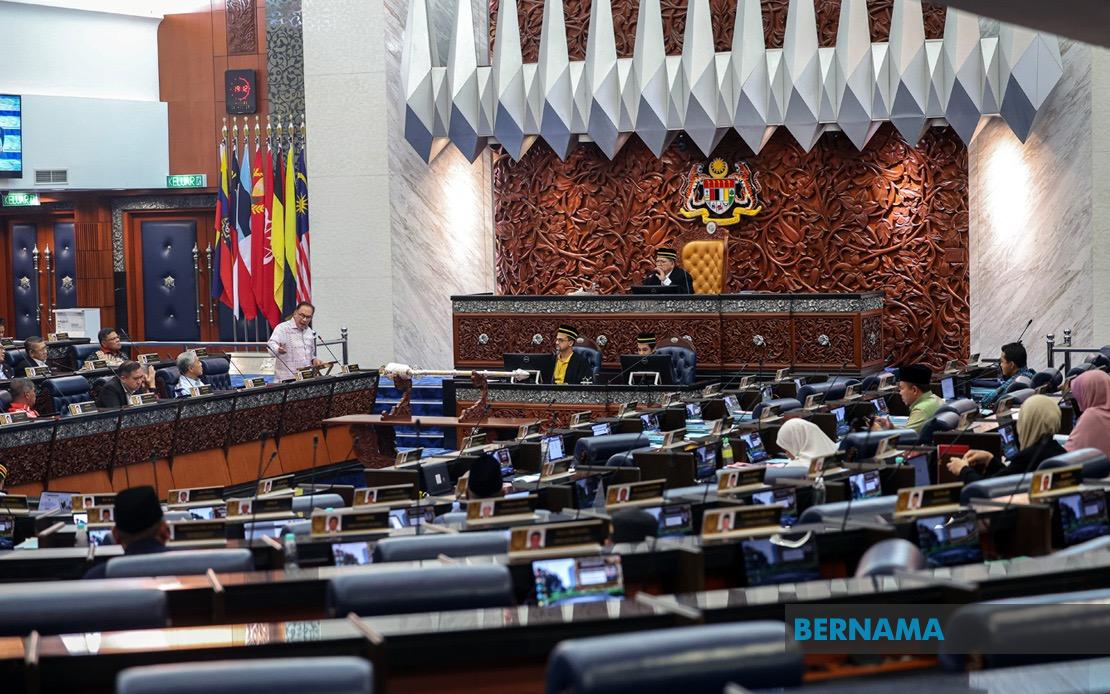
Members of Parliament from both government and opposition benches converged on a shared concern during debate on the Sexual Offences Against Children (Amendment) Bill 2026 in Kuala Lumpur this week: Malaysia's current framework for addressing child sexual abuse remains insufficient, requiring a more coordinated and comprehensive national response that extends beyond prosecution to encompass prevention, victim care, and cross-border enforcement.
The parliamentary discussion reflects growing recognition that child sexual exploitation has evolved into a transnational challenge requiring sophisticated multilateral approaches. Lawmakers emphasised the need to leverage existing international mechanisms such as Mutual Legal Assistance treaties and extradition agreements to prevent perpetrators based outside Malaysia from evading justice. Abd Ghani Ahmad from Jerlun highlighted that enforcement agencies must utilise these tools more strategically, noting that sexual predators have increasingly exploited jurisdictional gaps to operate with impunity across borders. This concern carries particular weight in Southeast Asia, where porous borders and varying legal standards create opportunities for criminal networks to relocate operations to regions with weaker enforcement.
Beyond international cooperation, lawmakers proposed substantial domestic institutional reforms. The establishment of dedicated task forces combining personnel from the Royal Malaysia Police, Immigration Department, Attorney-General's Chambers, Department of Social Welfare, hospitals, and schools emerged as a consensus recommendation. Such integration would address fragmentation in current investigations, where evidence chains often break down due to poor inter-agency coordination. Datuk Seri Doris Sophia Brodi specifically advocated for a specialised digital crimes unit, recognising that online grooming and child exploitation now constitute the fastest-growing category of such offences. Digital evidence preservation requires technical expertise and rapid response capabilities that generalist investigators frequently lack, making a dedicated team essential for successful prosecutions.
Educational initiatives figured prominently in lawmakers' proposals, reflecting understanding that prevention must complement enforcement. Brodi urged intensified digital literacy programmes in schools, coupled with parental awareness campaigns targeting recognition of grooming behaviours. This two-pronged approach acknowledges that children and caregivers often lack training to identify predatory tactics. Young Syefura Othman from Bentong proposed establishing a National Child Sexual Offender Registry accessible to schools, daycare centres, religious institutions, and sports clubs—a mechanism that would enable institutions to screen staff and volunteers. Such registries, successfully implemented in jurisdictions including Australia and parts of the United States, have demonstrated measurable impact in preventing repeat offences by limiting predators' access to vulnerable populations.
The parliamentary debate also highlighted institutional capacity gaps requiring investment. Datuk Mas Ermieyati Samsudin called for increased numbers of child psychology specialists within public facilities, recognising that trauma-informed investigation and victim support depend on trained professionals. She further proposed establishing a dedicated victim support fund to address financial barriers to recovery, including psychological treatment costs, legal representation, and rehabilitation programmes. This innovation responds to a practical reality: many Malaysian families affected by child sexual abuse lack resources to access specialised mental health services, leaving traumatised children without adequate recovery support despite prosecution of offenders.
The amendment to the Sexual Offences Against Children Act 2017 directly addresses a critical jurisdictional gap by extending Malaysia's legal reach over offences committed abroad. This provision proves essential given that Malaysian nationals and residents have been identified committing child sexual crimes in lower-regulation jurisdictions. Without extraterritorial jurisdiction, perpetrators could effectively relocate after committing offences in Malaysia, knowing they faced diminished prosecution risks abroad. The amendment signals Malaysia's commitment to closing this loophole, though implementation requires cooperation from countries where offences occur and from nations where perpetrators might seek refuge.
Lawmakers further emphasised the necessity of mandatory background checks for all individuals working with children, spanning nurseries, religious institutions, sports clubs, and welfare facilities. This universal screening requirement would prevent known offenders from obtaining positions providing access to vulnerable populations. RSN Rayer noted that strengthening investigative capacity through expanded team membership would enable more thorough case development, particularly important given the complexity of digital evidence in contemporary child exploitation cases. The sheer volume of such investigations has outpaced investigative resources in many Malaysian police divisions.
The broad parliamentary consensus transcending party lines suggests genuine political will to advance child protection frameworks. The fact that 26 MPs participated in the debate indicates the issue's perceived importance across the political spectrum. However, converting parliamentary rhetoric into effective implementation remains the critical challenge. Legislative amendments provide necessary legal foundations, but translating them into operational reality demands sustained funding, professional training, inter-agency coordination protocols, and public accountability mechanisms. Malaysia's law enforcement and judicial systems have faced historical criticism regarding investigation quality and prosecution timelines in sensitive cases, raising questions about implementation capacity.
For Malaysian families and child welfare advocates, the parliamentary debate signals recognition that current child protection approaches remain inadequate. The emphasis on victim rehabilitation represents particularly significant progress, reflecting understanding that prosecution alone does not restore traumatised children to wellbeing. Comprehensive support addressing psychological, financial, and social dimensions of recovery acknowledges the multifaceted impact of sexual exploitation. As implementation proceeds, monitoring whether allocated resources match parliamentary commitments will prove essential for assessing whether legislative amendments translate into tangible improvements in child safety and victim outcomes across the country.

