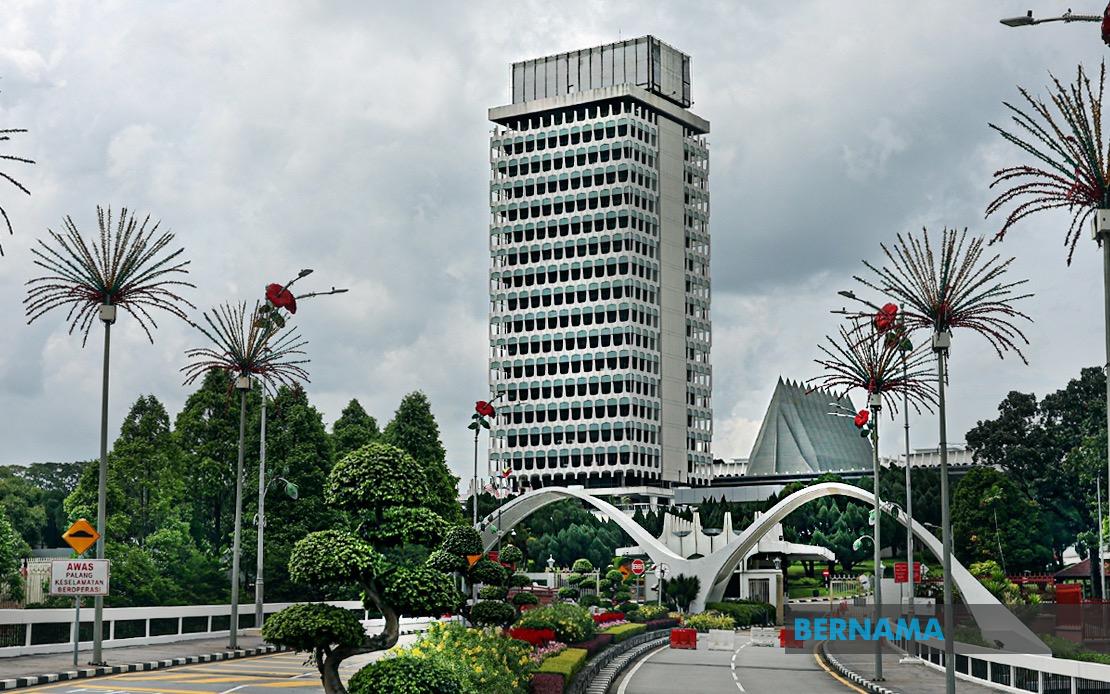
The Malaysian Parliament is set to scrutinise two interconnected challenges facing the nation's economy and democratic institutions as lawmakers gather for Minister's Question Time on July 7. The session will bring into sharp focus the struggles of micro, small and medium enterprises seeking adequate financing, alongside anxieties about the country's standing in international press freedom assessments—issues that reflect deeper questions about government support for entrepreneurs and commitment to transparent governance.
Lee Chuan How, the Ipoh Timor representative from Pakatan Harapan, will direct questions to the Prime Minister regarding the government's awareness of financing difficulties plaguing MSME operators. The query signals growing unease within the business community about access to capital, a persistent constraint that limits growth prospects for small-scale manufacturers, traders, and service providers across Malaysia. This concern arrives amid broader economic headwinds that have complicated borrowing conditions for enterprises outside the mainstream banking sector.
The MSME sector constitutes the backbone of Malaysia's economy, employing millions and contributing substantially to gross domestic product and export earnings. Yet entrepreneurs consistently report that conventional lending institutions impose stringent collateral requirements and creditworthiness standards that exclude many viable small businesses, particularly in rural regions and among first-time operators. Government-backed financing schemes exist, but awareness gaps and application complexities often prevent eligible enterprises from accessing these resources, perpetuating a cycle where promising ventures remain undercapitalised and unable to expand.
Paralleling these economic concerns, Ahmad Fadhli Shaari from Pasir Mas under Perikatan Nasional will challenge the government on Malaysia's deteriorating performance in international media freedom rankings. The country's descent to 95th position in the 2026 World Press Freedom Index, down from 88th the previous year, represents a troubling regression that invites scrutiny from both domestic stakeholders and international observers. The decline signals growing concerns about editorial independence, press access to information, and the operating environment for news organisations in Malaysia.
The World Press Freedom Index, published annually by Reporters Without Borders, measures countries across dimensions including abductions, imprisonments, assaults on journalists, and restrictions on press independence. Malaysia's slippage reflects a complex interplay of factors including legal frameworks, enforcement of sedition and defamation laws, and the political economy of media ownership. For a Southeast Asian nation aspiring to regional leadership and international credibility, the trajectory is concerning and demands explanation from government officials about specific remedies being contemplated.
Median freedom functions as a prerequisite for accountable governance and informed public discourse. When journalists face legal jeopardy or institutional pressure, investigative reporting suffers, public accountability diminishes, and citizens lack reliable information for making democratic choices. The implications extend beyond press freedom advocates to encompass broader governance quality, transparency standards, and investor confidence in institutional reliability. Shaari's parliamentary question will seek clarity on comprehensive measures the administration plans to implement to reverse the negative trend.
The parliamentary agenda extends further to address accessibility concerns for senior citizens in religious spaces. Aminolhuda Hassan from Sri Ganding will inquire whether the government contemplates establishing a dedicated funding mechanism to help mosques and suraus install facilities including wheelchair ramps and accessible toilet amenities for elderly worshippers. This question reflects demographic realities as Malaysia's population ages, requiring public and private institutions to adapt infrastructure to accommodate reduced mobility.
Beyond these substantive questions, the Dewan Rakyat will examine the 2024 Annual Report and Financial Statement of the Human Rights Commission of Malaysia, commonly known as SUHAKAM. This institutional accountability exercise permits parliamentarians to assess whether Malaysia's human rights watchdog is adequately resourced, independently functioning, and investigating allegations according to international standards. Parliamentary scrutiny of SUHAKAM's performance provides an opportunity to evaluate government responsiveness to human rights concerns.
The legislative schedule also includes continuation of debate on the Constitution (Amendment) (No. 2) Bill 2026, which proposes separating the offices of Attorney General and Public Prosecutor. This constitutional reform carries profound implications for judicial independence and prosecutorial discretion. Dividing these roles aims to prevent conflicts of interest and insulate prosecutions from political interference, aligning Malaysian practice with international best practices observed in established democracies. The amendment reflects ongoing efforts to strengthen institutional safeguards against executive overreach.
These converging parliamentary matters encapsulate Malaysia's multifaceted governance agenda. Economic support for enterprises, media independence, elderly welfare, human rights oversight, and constitutional architecture collectively define the scope of national challenges demanding legislative attention. Each issue resonates differently across Malaysian society—entrepreneurs worry about survival and expansion, journalists and civil society organisations advocate for operational freedom, elderly citizens seek dignity in religious practice, and constitutional reformers push for systemic improvements.
The Parliament's engagement with these topics will signal government priorities and parliamentary vigilance. Whether responses prove substantive or perfunctory will indicate how seriously the administration treats economic inclusion, democratic freedoms, social welfare, and institutional reform. For Malaysian observers monitoring governance quality and international analysts assessing Southeast Asian democratic health, today's parliamentary proceedings merit close attention.

