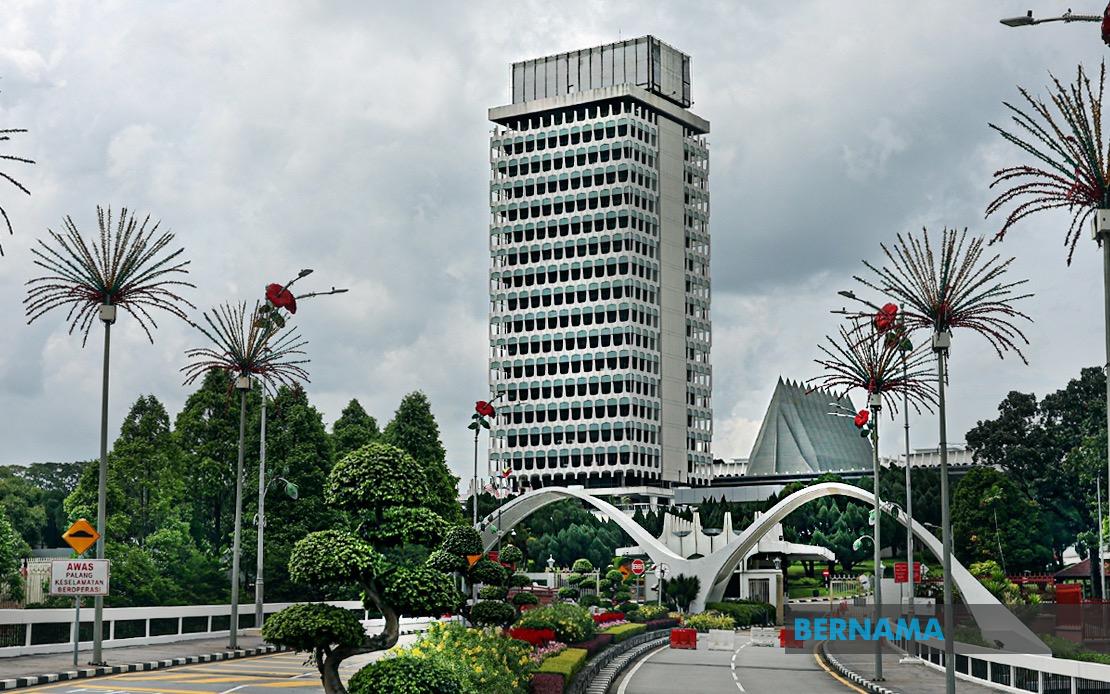
The Dewan Rakyat convenes today with a substantial agenda spanning energy transformation, economic resilience, and diplomatic strategy. Parliamentary members will scrutinise the government's handling of the Corporate Renewable Energy Supply Scheme (CRESS), interrogate progress on Myanmar policy alignment with the Five-Point Consensus, and explore measures taken to mitigate economic headwinds facing Malaysian businesses and workers. The second parliamentary session of the current term, which runs through July 16, promises considerable debate on matters directly affecting the nation's economic trajectory and regional standing.
Energy policy will dominate early exchanges as Rodziah Ismail raises questions about CRESS implementation fundamentals. The enquiry extends beyond basic participation metrics to probe the broader implications for Malaysia's aspirations as a regional data centre hub. Specifically, lawmakers will examine findings from the System Access Charge rate review and how revised rates might affect operational expenses for data centres. The Corporate Green Power Programme and Battery Energy Storage Systems will also feature in discussions, reflecting growing recognition that industrial energy security directly influences Malaysia's competitiveness in attracting digital infrastructure investment. This examination matters to Southeast Asia's broader energy transition, as decisions made in Kuala Lumpur will influence investment flows across the region's technology sector.
The global energy crisis and its cascading economic consequences occupy parliamentary attention through multiple questioning angles. Mohd Syahir Che Sulaiman will interrogate the National Economic Action Council regarding specific mitigation measures deployed in response to mounting job losses and business contractions. The minister will face expectations to report tangible outcomes from these interventions, not merely policy announcements. This line of questioning reflects genuine concern among parliamentarians about whether Malaysia's economic management keeps pace with deteriorating conditions. With energy costs constraining manufacturing competitiveness and raising input prices across supply chains, evidence of effective policy response carries significant weight for stakeholder confidence.
Fuel subsidy reform emerges as another pressure point within today's parliamentary programme. Datuk Seri Hasni Mohammad will challenge the Finance Minister to justify the approach toward standardising fuel subsidy targeting, particularly the proposed reliance on MyKad identification for diesel allocation. The questioning probes whether the 200-litre entitlement for both petrol and diesel adequately serves Malaysian consumers across diverse geographic and occupational circumstances. This issue intersects with broader concerns about the social impact of energy transition policies, as subsidised fuel pricing traditionally insulates lower-income households and rural populations from volatile global energy markets.
Malaysia's delicate diplomatic positioning toward Myanmar will draw focused attention through William Leong Jee Keen's questions to the Foreign Minister. The enquiry seeks clarity on how the government's current Myanmar policy translates Five-Point Consensus commitments into operational foreign policy conduct. The Five-Point Consensus, established through regional diplomatic channels, represents shared Association of Southeast Asian Nations principles for Myanmar, yet implementation across member states remains inconsistent. Parliamentary scrutiny forces the foreign service to articulate precisely how consensus commitments shape Malaysia's bilateral relations and multilateral engagement strategies toward Myanmar's continuing political crisis. This accountability mechanism ensures foreign policy decisions reflect national interests rather than drift without clear articulation.
Data sovereignty concerns intersect with artificial intelligence development aspirations in parliamentary exchanges. Datuk Seri Amirudin Shari will question the Digital Minister about aligning state-level data infrastructure initiatives, particularly Selangor's Dark Fiber Network, with national security objectives. The questioning probes whether Malaysia's stated ambition to become AI-ready by 2030 incorporates adequate safeguards for data sovereignty and protection of national interests. This concern reflects growing regional anxiety about data flows and algorithmic decision-making power concentrated in foreign jurisdictions. For Malaysian policymakers, the challenge involves nurturing technological capability while maintaining governance autonomy over information systems that increasingly touch every aspect of economic and social life.
The Malaysia Agreement 1963 parliamentary representation issue continues drawing attention from representatives of East Malaysian constituencies. Isnaraissah Munirah Majilis will press the Prime Minister on current progress toward increasing Sabah and Sarawak parliamentary representation to 35 per cent of nationwide seats. This long-running constitutional and political question remains unresolved despite repeated commitment reaffirmations from federal leadership. The timeline ambiguity surrounding implementation frustrates East Malaysian stakeholders who view parliamentary seat distribution as integral to constitutional federalism principles. Parliamentary forums provide essential platforms for maintaining pressure on implementation of constitutional amendments intended to strengthen East Malaysian representation in national decision-making.
Islamic education curriculum effectiveness and coordination mechanisms will occupy parliamentary attention through Datuk Idris Ahmad's questioning of the Prime Minister. The enquiry seeks prime ministerial assessment of how Islamic Education syllabuses contribute to holistic student development and whether federal-state coordination between government and Islamic Religious Councils meets necessary standards. This question reflects ongoing challenges in educational harmonisation across Malaysia's diverse jurisdictional structure, where state governments and federal authorities share educational responsibilities. Consistent curriculum quality across states remains elusive despite multiple coordination frameworks, creating outcomes variation that disadvantages students in less-resourced jurisdictions.
A Public Accounts Committee briefing will shift parliamentary focus toward health insurance sustainability and private hospital pricing pressures. The PAC chairman's report examines increases in health insurance premiums and private hospital charges, exploring implications for public health outcomes under purview of the Finance Ministry, Health Ministry, and Bank Negara Malaysia. This multi-agency examination reflects growing recognition that private healthcare pricing dynamics increasingly influence public health system pressures. As private sector costs escalate, higher-income Malaysians accessing private facilities shift demand patterns, potentially redistributing resources within the healthcare ecosystem in ways that disadvantage public system capacity and equity.
Following these policy inquiries, the Dewan Rakyat will resume deliberations on the Prisons (Amendment) Bill 2026, continuing legislative work on criminal justice system modernisation. The bill's provisions will face scrutiny from members with diverse perspectives on rehabilitation, security, and prisoner welfare considerations. Parliamentary debate on correctional system reform attracts less public attention than major economic policy questions, yet shapes operational realities for thousands of individuals within Malaysia's penal system and their families affected by incarceration.
Parliament's 16-day sitting schedule reflects a compressed legislative calendar requiring efficient management of substantial policy matters. The session spanning June 22 through July 16 must accommodate government legislation priorities while providing adequate time for opposition scrutiny and backbench participation. This parliamentary rhythm characterises the 15th Parliament's operating pattern, where sessionnal sittings concentrate activity into intensive periods followed by recess intervals. For Malaysian stakeholders monitoring specific policy developments, parliament's intermittent sitting schedule requires sustained attention to committee work and subsidiary processes occurring between formal sessions, where significant policy development and consensus-building occur beyond public view.

