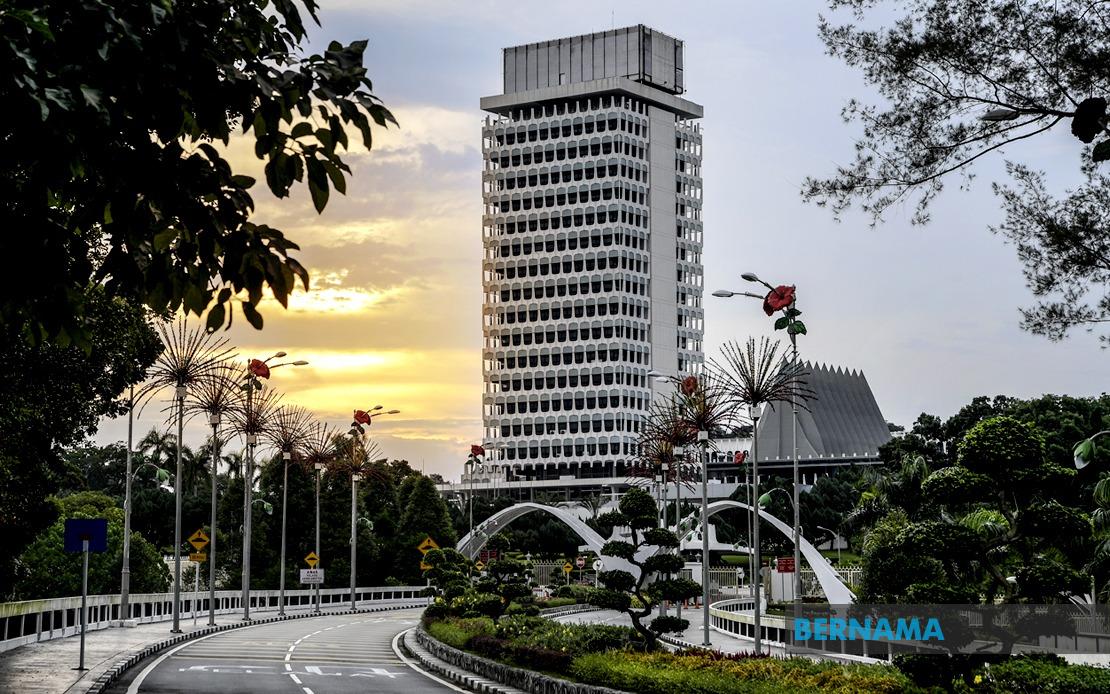
Parliament is turning its attention to three critical areas affecting ordinary Malaysians' financial security and wellbeing as the Dewan Rakyat convenes for its latest sitting. Health insurance protections, the adequacy of retirement savings among working Malaysians, and strategic talent development in volleyball feature among the day's substantive questions, reflecting ongoing parliamentary scrutiny of policies that touch the lives of millions of citizens.
The question of health insurance reform has taken on heightened importance given mounting public concern over claim rejections and policy cancellations. Tan Kok Wai, the Cheras member from Pakatan Harapan, will press the Finance Minister on concrete measures to strengthen regulatory safeguards for policyholders, particularly those covered for critical illnesses and cancer treatment. The question spotlights a persistent friction point between insurers and consumers: the balance between corporate sustainability and fair treatment of vulnerable patients who face both serious health conditions and bureaucratic obstacles when seeking claims. Enhanced transparency and more robust dispute resolution mechanisms form part of what legislators are seeking to ensure that the insurance sector serves as genuine protection rather than merely collecting premiums.
Retirement security has emerged as an equally pressing concern for the government and opposition alike. Datuk Seri Aminuddin Harun from Port Dickson will ask the Finance Minister to outline the administration's comprehensive strategy for ensuring that ordinary Malaysians, particularly those depending on the Employees Provident Fund, accumulate sufficient savings for retirement. This query gains urgency against two demographic and economic headwinds: the relentless rise in living costs affecting both current spending and retirement planning, and Malaysia's approaching entry into an ageing society by 2030. The EPF, as the primary retirement savings vehicle for salaried workers, faces mounting pressure to help members achieve adequate nest eggs despite inflation and longer lifespans.
Youth sports development and talent identification represent another parliamentary focus. Zakri Hassan from Kangar, representing Perikatan Nasional, will quiz the Youth and Sports Minister on systematic approaches to spotting and nurturing talent in both indoor and beach volleyball. This emphasis on volleyball talent pipelines signals parliamentary interest in developing competitive depth across sporting disciplines beyond football, which traditionally dominates public attention in Malaysia. Building robust talent identification systems requires sustained investment, proper coaching structures, and pathways to competitive play—areas where consistency has historically been lacking.
Rural digital inclusion emerges as a theme touching on equitable development. Hassan Saad from Baling will challenge the Communications Minister to assess whether the National Information Dissemination Centres are genuinely improving socio-economic conditions in rural communities. The question acknowledges a stubborn reality: despite infrastructure investments, meaningful gaps persist in internet access, digital literacy, and online marketing capabilities among small entrepreneurs in less developed areas. Rural Malaysia remains a digital divide challenge, where physical infrastructure alone cannot bridge the capacity and skills gap that prevents entrepreneurs from fully participating in the digital economy.
Parliament will also scrutinize recent government initiatives aimed at tackling specific economic problems. The Mobile eCOSS application, launched in May 2025 to combat leakages in the subsidised cooking oil supply chain, will face questions about its effectiveness. Cooking oil subsidies represent a substantial government expenditure vulnerable to diversion and black-market activity; this mobile technology solution represents an attempt to improve tracking and reduce wasteful leakage. Parallel questioning on MSME financing schemes will assess whether available credit instruments are genuinely reaching and helping small businesses, or whether gaps remain between policy intention and practical access.
Beyond daily questions, Parliament will also hear a comprehensive briefing from the Health Select Committee regarding reform of Malaysia's organ donation and transplant system. This national system reform touches issues of healthcare equity, medical ethics, and efficient allocation of scarce organs—matters that Parliament must transparently examine to maintain public confidence.
The legislative agenda also includes advancement of two competition bills. The Competition (Amendment) Bill 2026 continues its committee-stage debate, while the second reading begins on the Competition Commission (Amendment) Bill 2026. These legislative measures signal the government's attention to market competition and regulatory frameworks, areas particularly relevant to small businesses and consumer protection in Malaysia's diverse economy.
The current parliamentary session, the Second Meeting of the Fifth Session of the 15th Parliament, will run for 16 days concluding on July 16. This extended sitting schedule reflects the breadth of legislative business Parliament must address, from financial regulation to sports policy to infrastructure development. The range of topics debated on any given sitting day illustrates the varied constituencies and interests members must represent, from urban insurance customers to rural entrepreneurs to young athletes seeking opportunities in competitive sports. These parliamentary sessions, while sometimes appearing obscure to casual observers, represent the formal mechanism through which Malaysian lawmakers hold government accountable and refine the policy framework affecting citizens across the socio-economic spectrum.

