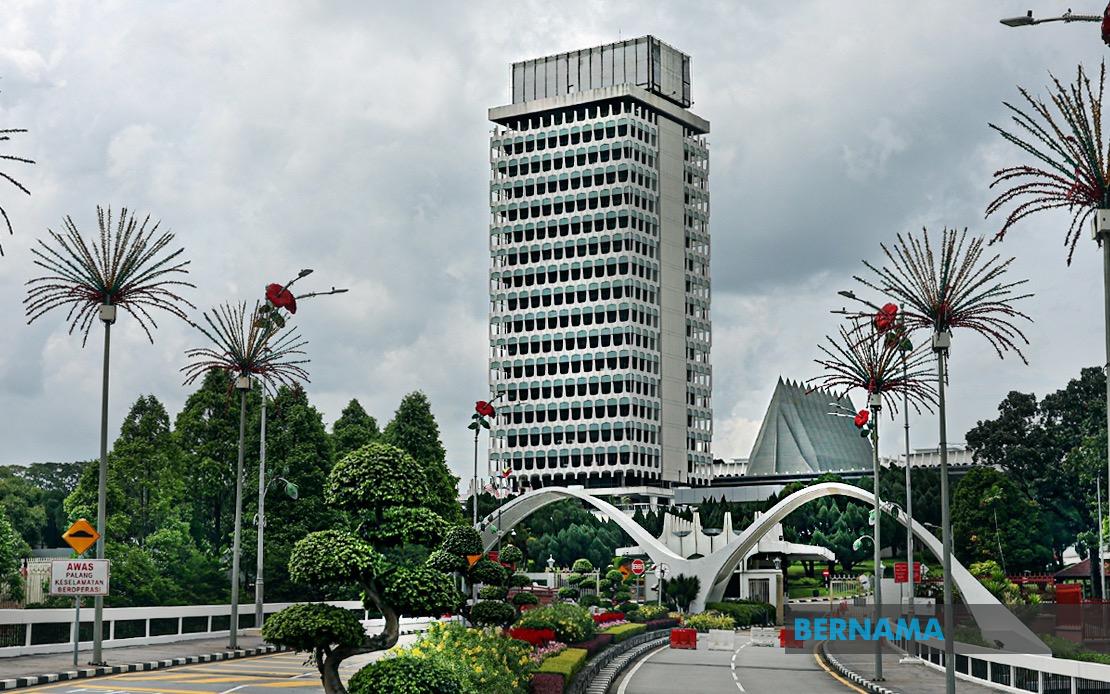
The Dewan Rakyat is set to examine three significant policy areas today, reflecting mounting parliamentary concern over digital governance, educational safeguarding, and economic resilience in the face of regional instability. The parliamentary agenda combines questions on the regulatory framework underpinning the newly enacted Online Safety Act 2025 (Act 886), comprehensive measures to protect students within school premises, and urgent financial support needed by small business operators struggling with supply chain disruptions emanating from prolonged tensions in West Asia. Together, these items underscore the government's broader challenge in balancing innovation and safety while maintaining economic stability across different sectors.
At the forefront of today's parliamentary questioning stands the Online Safety Act 2025, which represents Malaysia's comprehensive response to the challenges posed by digital communication platforms. Rodziah Ismail, the Ampang representative from Pakatan Harapan, will press the Communications Minister to furnish detailed information regarding ten subsidiary instruments currently under development to support the Act. These instruments—encompassing regulations, guidelines, and implementation frameworks—will define how the legislation operates across the digital landscape. Ismail's inquiry will demand clarification on the regulatory objectives these instruments are designed to achieve, the specific provisions they contain, their intended scope covering different categories of online content and platforms, and the current status of their development timeline. This line of questioning reflects the legislature's determination to ensure that subsidiary instruments are crafted with sufficient clarity to guide both government regulators and private sector stakeholders in complying with the new legal regime.
The complexity of implementing comprehensive digital safety legislation extends beyond government administration into the practical world of compliance and public understanding. The subsidiary instruments under the Online Safety Act 2025 will establish binding rules governing content moderation, platform accountability, user data protection, and reporting mechanisms for harmful online material. For Malaysian businesses operating digital platforms, particularly smaller technology companies and social media enterprises, the clarity and workability of these instruments will directly determine their operational costs and capacity to remain competitive. The government's ability to strike a balance between robust safety protections and practical implementation requirements will shape whether the legislation enhances Malaysia's standing as a trusted digital ecosystem or inadvertently creates barriers that push innovation and investment toward less regulated jurisdictions.
Parallel to digital governance concerns, the Dewan Rakyat will examine school safety across the nation, a matter of deepening parental and educational anxiety. Roslan Hashim from Perikatan Nasional in Kulim Bandar Baharu will ask the Education Minister to disclose current conditions regarding pupil safety in schools nationwide and detail the preventive measures in place. His questioning will focus on three interconnected hazards within the school environment: accidents resulting from inadequate infrastructure or supervision, bullying among students which increasingly involves psychological harm and social exclusion, and broader security threats ranging from trespassing to violent incidents. The Education Ministry's response will need to address both systemic protections—such as infrastructure maintenance, supervision ratios, and emergency response protocols—and newer challenges including cyberbullying that extends harmful conduct beyond school gates into digital spaces where students congregate online.
The safety concerns raised in the Dewan Rakyat reflect a regional pattern evident across Southeast Asia, where educational institutions increasingly grapple with mental health challenges accompanying physical security threats. Malaysian schools, particularly in urban areas, face rising incidents of student mental distress, peer violence, and substance abuse. The measures needed extend beyond traditional security improvements to encompass counselling capacity, teacher training in trauma recognition, and coordination with family support systems. For Malaysia specifically, the emphasis on school safety also connects to broader curriculum and pedagogical debates about whether educational environments adequately prepare students for responsible citizenship and emotional resilience.
Economic relief for traders affected by West Asia disruptions constitutes the third pillar of today's parliamentary business. Datuk Andi Muhammad Suryady Bandy, representing Kalabakan under the Barisan Nasional coalition, will seek from the Finance Minister an explanation of immediate interventions designed to support small traders, hawkers, and micro, small and medium enterprises (MSMEs) experiencing severe pressure from rising logistics costs and fractured supply chains. The West Asia crisis has reverberated through Malaysian commerce by disrupting shipping routes, increasing insurance premiums, and creating uncertainty in global commodity pricing. These ripple effects disproportionately affect smaller operators lacking the financial buffers and diversified supply sources available to larger corporations. The government's immediate response measures may include temporary tax relief, subsidised financing, and logistical support to help affected businesses maintain operations during the disruption period.
The economic dimensions of the West Asia crisis deserve particular attention given Malaysia's position as a trading nation dependent on stable maritime corridors and diversified sourcing networks. Malaysian MSMEs in retail, food service, manufacturing inputs, and import-export sectors have already reported elevated operational costs and narrowing profit margins. The government's proposed interventions must balance immediate financial relief with longer-term structural support that helps businesses adapt to new supply chain realities. This may involve encouraging regional supply chain diversification, supporting digital platforms that connect Malaysian traders with alternative suppliers, and facilitating knowledge transfer regarding cost management strategies proven effective in comparable global supply disruptions.
Beyond these three principal areas, the parliamentary agenda includes additional matters requiring ministerial attention and government coordination. Datuk Seri Dr Wee Ka Siong will seek progress updates on the Johor Elevated Autonomous Rapid Transit (E-ART) project, a signature infrastructure initiative intended to modernise public transportation in Malaysia's southern economic corridor. Zakri Hassan will raise road safety implementation concerns, directing queries to the Works Minister about policy justification. Datuk Shahelmey Yahya will probe the Health Minister regarding safeguards ensuring that fiscal adjustment policies do not compromise the delivery of public healthcare services and facility development programmes in Sabah, particularly important given the state's geographic challenges and healthcare access disparities. Riduan Rubin, speaking as an independent representative from Tenom, will interrogate the Home Affairs Minister on cybersecurity implications should a minimum age requirement of 16 years be established for social media platform access.
These diversified questions reflect the multi-dimensional character of contemporary parliamentary oversight, spanning regulatory architecture, social protection, economic stability, infrastructure development, fiscal policy coordination, and digital security. The parliament sitting, part of the Second Meeting of the Fifth Session of the 15th Parliament, will continue through sixteen sitting days until July 16, providing sustained opportunity for legislators to examine government performance and policy direction. The tabling of the Competition (Amendment) Bill 2026 for second reading during this session adds to the legislative workload, signalling the government's intention to modernise competition frameworks as Malaysia navigates evolving market dynamics. Collectively, today's parliamentary agenda demonstrates how governing in contemporary Malaysia requires simultaneous attention to digital transformation, social safety, economic resilience, and infrastructure modernisation—challenges that demand sophisticated coordination across multiple government agencies and thoughtful balancing of competing priorities.

