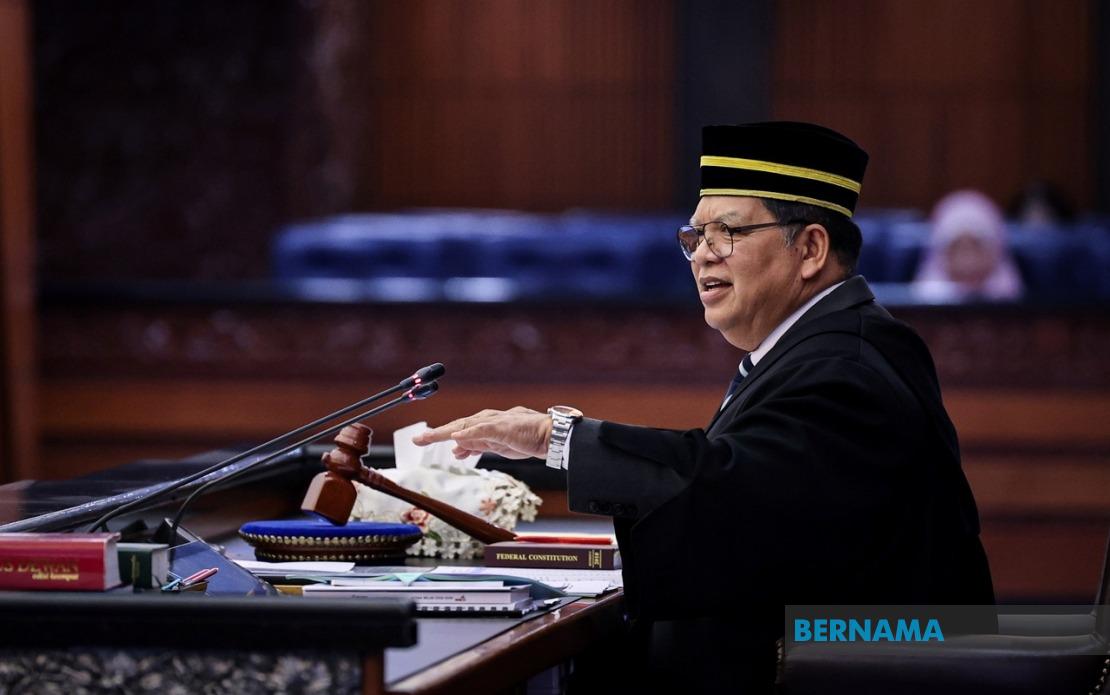
Malaysia's parliament has wrapped up its second meeting of the fifth term after a 16-day sitting period that commenced on June 22, with legislators successfully steering 13 bills through final passage. Speaker Tan Sri Dr Johari Abdul announced the adjournment on July 16, capping off what proved to be a productive legislative session marked by the approval of substantive legislation spanning multiple policy domains critical to the country's development and governance framework.
The bills that secured passage represent a diverse legislative agenda aimed at modernising Malaysia's legal infrastructure across several key areas. The Road Transport (Amendment) Bill 2026 advances reforms in the nation's automotive and logistics sector, while the Sexual Offences Against Children (Amendment) Bill 2026 strengthens protections for vulnerable young citizens—a measure reflecting growing international and domestic pressure on governments to combat child exploitation. The Cybercrimes Bill 2026 addresses the evolving threat landscape in the digital economy, positioning Malaysia to better prosecute and deter cybercriminal activity as the nation deepens its reliance on digital infrastructure and e-commerce platforms.
Competition law underwent refinement through the passage of both the Competition (Amendment) Bill 2026 and the Competition Commission (Amendment) Bill 2026, reforms that could reshape how Malaysia's economy regulates fair trading practices and market conduct. The Control of Padi and Rice (Amendment) Bill 2026 signals continued government attention to the agricultural sector, a perennial concern for rural constituencies and food security considerations. Additionally, the Witness Protection (Amendment) Bill 2026 enhances safeguards for those cooperating with law enforcement, potentially strengthening prosecution capacity in serious criminal cases.
Social policy received attention through the passage of the Social Work Profession Bill 2026, legislation that formalises standards for an increasingly important segment of Malaysia's social services workforce. Communications regulation moved forward with approval of both the Communications and Multimedia (Amendment) Bill 2026 and the Malaysian Communications and Multimedia Commission (Amendment) Bill 2026, reflecting the sector's significance to Malaysia's digital economy aspirations. The National Trust Fund Bill 2026 and Statistics Bill 2026 round out the legislative package, addressing financial management and data governance respectively.
Beyond the headline legislative achievements, the parliamentary session hosted three ministerial briefings to parliament and one additional ministerial briefing conducted in the Special Chamber, alongside six separate briefings from Select Committee chairmen regarding reports they had prepared. This intensive briefing schedule suggests parliament functioned not merely as a legislative body but as an active forum for scrutiny and information exchange between the executive and parliamentary oversight mechanisms.
Parliament also devoted session time to debating the 2024 Annual Report of the Human Rights Commission of Malaysia, or SUHAKAM—a discussion indicating that human rights accountability remains a topic of parliamentary engagement. Such dedicated debate time underscores the importance both government and opposition members place on rights-based issues, even as Malaysia navigates competing priorities in security, economic development, and social stability.
In his closing remarks, Speaker Johari drew attention to parliamentary housekeeping matters that carry implications for how Malaysia's elected representatives conduct their duties going forward. He urged all Members of Parliament to complete mandatory health screenings before October 30 and to lodge their health records with parliament's administrative division. This initiative appears designed to ensure that legislators maintain the physical fitness necessary for their demanding roles, while also creating an institutional health database that may serve broader parliamentary administration purposes.
The speaker's explicit encouragement for members to prioritise health during the upcoming election campaign period carries particular significance for Malaysian politics. Electoral campaigns in Malaysia have traditionally been gruelling undertakings, with candidates traversing constituencies across multiple states while maintaining legislative responsibilities. The parliamentary reminder tacitly acknowledges this punishing schedule and seeks to encourage responsible personal health management among elected officials who will soon face the heightened demands of campaigning.
Johari also announced that Malaysian Parliament would be hosting an unspecified programme open to members of parliament, parliamentary staff, youth parliament participants, and the general public. Though the source material does not detail this initiative's full scope or purpose, such programmes typically serve educational, civic engagement, or capacity-building functions and reflect parliament's commitment to public involvement in democratic institutions.
In concluding the session, the Speaker extended formal appreciation to all members for their cooperation, acknowledging the contributions of government officials, parliamentary staff, media representatives, and others involved in the mechanics of running a functioning legislature. This ceremonial gratitude, while routine, recognises that parliamentary operation depends on numerous actors beyond the politicians who dominate public attention—from administrative personnel to security staff to media coverage that enables public accountability.
The Dewan Rakyat's adjournment lacks a specified resumption date, a practice that reflects the flexibility parliamentary business requires in Malaysia's political calendar. The absence of a fixed reconvening date may align with anticipated election scheduling, as governments typically allow parliament to lie dormant during election periods to avoid legislative complications during campaign seasons. For Malaysian stakeholders monitoring parliamentary business and policy development, the parliament's hiatus presents both a pause in legislative activity and a transition point toward the next phase of democratic competition.

