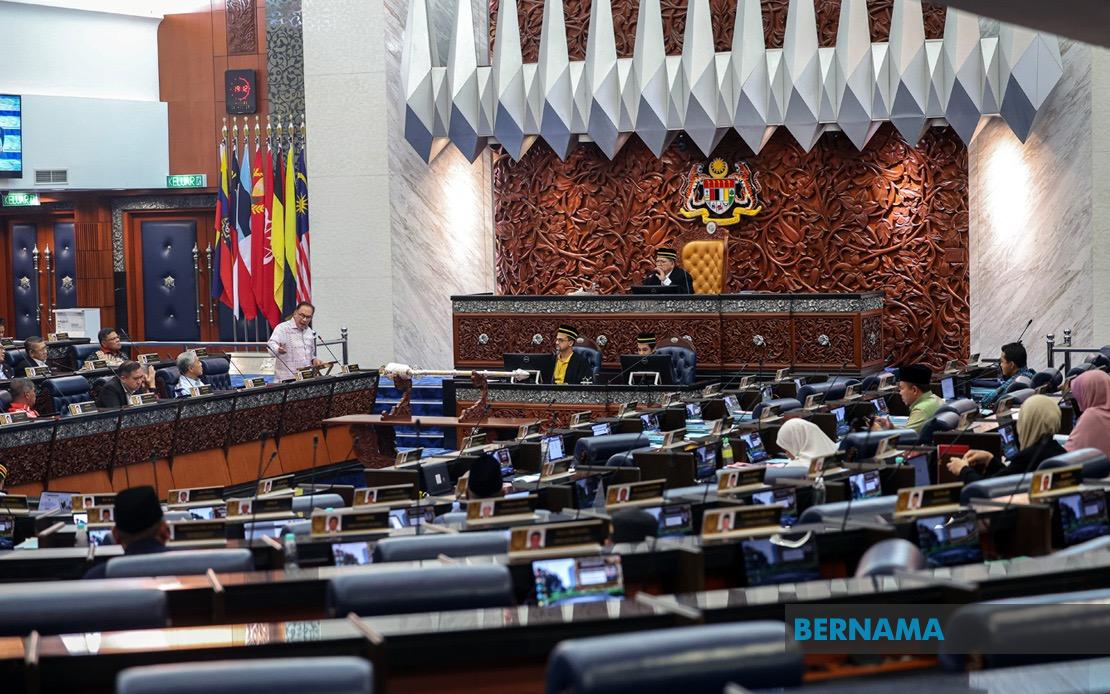
Malaysia's organ transplant system stands at a critical juncture, with the Parliamentary Special Select Committee on Health calling for comprehensive legislative and structural reforms to address decades of fragmentation and inefficiency. The committee, chaired by Suhaizan Kaiat, has released its long-awaited report on transforming the national organ donation and transplant framework, marking the first major overhaul since the adoption of the Human Tissues Act 1974. The proposals represent a departure from incremental adjustments toward a fully integrated national system designed to meet both immediate patient needs and future demographic pressures.
The committee's most significant recommendation centres on enacting entirely new legislation to supersede the half-century-old Human Tissues Act. This modernised framework would introduce several pivotal provisions currently absent from Malaysian law, including formal recognition of brain death as a criterion for donation, acceptance of donation after circulatory death, and the establishment of a principle of national organ ownership that could fundamentally shift how organs are allocated. The current legal architecture has constrained Malaysia's ability to expand the donor pool and implement international best practices in transplant coordination. By introducing these provisions, the new law would align Malaysia with standards observed in countries like Spain and France, which have achieved significantly higher transplant rates through comprehensive legislative frameworks.
A central pillar of the proposed reform involves strengthening the National Transplant Resource Centre as the coordinating hub for all organ donation and transplantation activities nationwide. Currently, the NTRC operates with limited authority and resources, functioning more as an advisory body than an effective policy leader. The committee recommends vesting the centre with expanded powers to standardise clinical protocols, oversee training for transplant professionals, and manage data systems across all participating hospitals. Critically, the NTRC would establish a real-time monitoring and organ allocation platform ensuring transparent distribution based on medical need rather than existing informal arrangements. This technological infrastructure remains essential to public confidence—a commodity currently damaged by perception of inequitable access.
The waiting list crisis underscores the urgency of these reforms. As of June 2024, over 10,000 patients awaited organ transplants from deceased donors, yet only 3,657 procedures had been completed nationally to that point. More troubling is the finding that over 1,100 potential donations failed to materialise annually due to family refusal, suggesting that legislative change alone cannot solve the problem without simultaneous efforts to build public trust and understanding. The committee's recommendation to integrate organ donor registration with digital infrastructure including MySejahtera, driving licences, and national identity cards reflects recognition that accessibility and normalisation of donation registration are prerequisites for increasing consent rates. Malaysia's fragmented registration system has created barriers that even willing donors struggle to navigate.
The financial dimension of organ transplantation has long constrained access for lower-income Malaysians. The committee recommends establishing a dedicated fund administered jointly by the Health and Finance Ministries to support vulnerable patients in meeting the substantial costs associated with transplantation—not merely the surgery itself, but the immunosuppressive medications and follow-up care required indefinitely. For patients currently on dialysis, transplantation represents both improved quality of life and reduced burden on national health resources. Over 55,000 Malaysians currently depend on dialysis treatment at an annual cost approaching RM2 billion, a figure projected to exceed RM4 billion when the patient population expands to over 104,000 by 2040. Strategic investment in transplantation infrastructure now could mitigate this accelerating financial crisis.
Career development in transplant medicine represents another critical gap the committee has identified. Malaysia currently lacks structured pathways attracting medical professionals to specialise in transplantation, resulting in insufficient specialist capacity and uneven distribution across regions. The recommendations call for formal recognition of transplantation as a national priority area, guaranteed annual budget allocations independent of competing health priorities, and expansion of transplant centres beyond the major urban facilities currently providing these services. Such measures would support workforce development while also distributing transplantation services geographically, reducing disparities in access between Peninsular Malaysia and Sabah and Sarawak.
The committee's recommendation that Bank Negara Malaysia study implementation of an unspecified financial mechanism—the original text appears truncated—hints at creative approaches to funding. This may encompass mechanisms observed elsewhere, such as tax incentives for living donors or innovative financing models that reduce out-of-pocket costs for recipients. The reluctance to specify the mechanism likely reflects ongoing consultation with financial regulators, but the inclusion suggests openness to market-based solutions rather than reliance solely on government budgeting.
Regulation of overseas transplant tourism has emerged as a secondary but significant concern. Malaysians with sufficient means occasionally pursue transplants abroad, particularly in countries with questionable ethical standards regarding organ sourcing. A modernised legal framework would establish clearer regulations governing when and under what circumstances Malaysians may seek treatment internationally, while simultaneously improving domestic options to reduce such necessity. This reflects both ethical concerns and a recognition that transplant tourism represents brain drain of sorts—resources and expertise flowing outward when those capabilities should mature domestically.
The reform agenda reflects broader patterns evident across Southeast Asia, where ageing populations and rising chronic disease prevalence are straining healthcare systems. Thailand's well-developed transplant infrastructure and Singapore's highly regulated system offer regional models, though Malaysia's federal structure and larger, more dispersed population present distinct challenges. The committee's recommendations acknowledge that Malaysia cannot simply adopt neighbouring systems wholesale but must develop an integrated approach reflecting local governance, cultural attitudes toward donation, and existing health infrastructure.
Suhaizan emphasised that the proposed reform transcends merely increasing transplant procedure numbers. Rather, the committee envisages building public confidence in a system perceived as equitable, transparent, and professionally excellent. This reframing—from supply-side to system-wide transformation—reflects maturity in understanding that organ availability depends ultimately on public willingness to participate. Without trust that donation will be handled respectfully and allocation will be fair, even perfect legislation will fail to expand the donor pool significantly. The committee's simultaneous focus on legislative reform, professional development, funding mechanisms, and public trust-building acknowledges this systemic interdependence.
Implementation will test political will and bureaucratic capacity. The recommendations require coordination across Health, Finance, and Interior Ministries, parliamentary time to draft and debate new legislation, and substantial budget commitments over multiple years. Previous health system reforms in Malaysia have encountered implementation delays and inadequate resource allocation. The committee's report now enters the political arena, where its specific recommendations must compete with other priorities for parliamentary attention and fiscal allocation. Success will require sustained advocacy from the committee, support from medical professionals and patient groups, and ministerial commitment to making transplantation a genuine priority rather than merely another health programme competing for resources amid fiscal constraints and diverging political interests.

