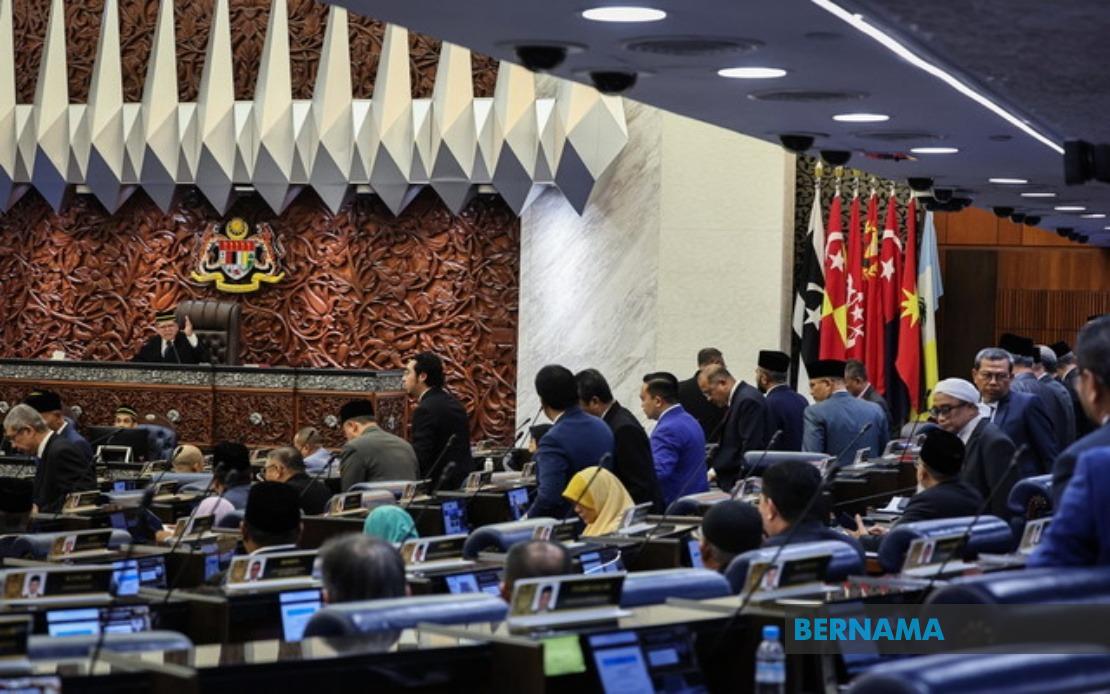
The decision by Perikatan Nasional opposition members to walk out of the Dewan Rakyat during debate on the Lembaga Tabung Haji (TH) Royal Commission of Inquiry report has sparked critical examination of parliamentary strategy and political accountability. Led by Opposition Leader Datuk Seri Hamzah Zainudin alongside PN Chief Whip Datuk Seri Takiyuddin Hassan and PN chairman Datuk Seri Dr Samsuri Mokhtar, the exodus represented a significant moment in Malaysia's Parliament as deliberations commenced on findings affecting millions of depositors across the nation.
The walkout followed Takiyuddin's unsuccessful motion to adjourn the special sitting, which he attributed to the absence of Prime Minister Datuk Seri Anwar Ibrahim and Deputy Prime Minister Datuk Seri Fadillah Yusof, both undergoing medical treatment. This procedural objection elevated into a broader protest against what opposition lawmakers characterize as inadequate executive presence during discussion of a matter touching the financial security of ordinary Malaysians. The RCI report, released publicly on July 29 after government approval, contained findings deemed sufficiently significant to warrant special parliamentary sitting and scrutiny.
However, the efficacy of the walkout as a political tool merits serious examination. Universiti Sains Malaysia academic Prof Datuk Dr Sivamurugan Pandian cautioned that while the action served as a political statement, it risked projecting an unintended narrative—namely that opposition parliamentarians cared less about TH depositors' welfare than about manufacturing a protest moment. The distinction matters considerably in Malaysian politics, where public perception of leadership sincerity directly influences electoral calculus and institutional trust.
Pandian's analysis suggests the walkout functioned primarily as publicity generation rather than substantive engagement with parliamentary mechanisms designed for governmental oversight. A remaining in the chamber would have enabled opposition members to articulate detailed critiques, present evidence-based arguments, and create an official parliamentary record demonstrating their commitment to depositors' interests. Such documentation carries enduring institutional weight, whereas symbolic exits generate headline value with diminishing resonance over time.
The scholar drew particular attention to the internal contradictions within the opposition bloc itself, noting that some PN MPs chose not to participate in the walkout. This divergence suggested uncertainty within opposition ranks regarding whether the tactic represented sound parliamentary strategy or strategic overreach. Such splits undermine the unified messaging necessary for political movements to translate protest into policy outcomes benefiting constituents.
Crucially, Pandian acknowledged legitimate grounds for opposition objection. The Prime Minister's absence from debate on an issue affecting millions of Malaysians—particularly one investigated by royal commission—does carry genuine symbolic weight. When governing leaders decline to participate in scrutiny of matters affecting citizens' trust in national institutions, opposition demands for explanation warrant serious consideration. The issue transcends mere parliamentary procedure; it touches questions of democratic accountability and governmental responsiveness to public anxiety.
Yet Pandian contended that symbolic gestures require substantive backing to retain political currency. A walkout accompanied by detailed written arguments, statistical analysis of TH fund mismanagement, and concrete policy proposals would communicate resolute commitment to depositor protection far more persuasively than the gesture alone. Opposition members could have maintained their presence while simultaneously documenting their objections, thereby occupying the moral high ground on both theatrical and substantive grounds.
The fundamental tension illuminated by this episode concerns Parliament's constitutional role as a forum for checking executive power. Malaysia's bicameral system ostensibly functions as a venue where elected representatives can challenge government actions, interrogate policy, and place formal objections on official record. When parliamentarians voluntarily absent themselves from such proceedings, they diminish Parliament's capacity to perform these functions regardless of their stated motivations. The government benefits from reduced scrutiny, while citizens lose representation through debate.
From a Malaysian perspective, the TH RCI report matters intensely because Tabung Haji functions as a financial institution serving predominantly Muslim Malaysians undertaking pilgrimage. Mismanagement or malfeasance affecting TH reserves directly impacts not merely investment portfolios but religious obligations and personal life plans of millions. When parliamentary debate occurs on such consequential findings, opposition participation becomes essential to public confidence in the investigation and remedial measures. Citizens need assurance that multiple political perspectives have examined government responses to identified shortcomings.
The walkout also illustrated broader challenges facing opposition governance in contemporary Malaysia. With limited executive authority, opposition parties must maximize parliamentary platforms to build credibility as alternative governments-in-waiting. By choosing symbolism over substantive engagement, opposition risk forfeiting opportunities to demonstrate governing competence through detailed policy analysis and constructive proposals. Voters evaluating future governments assess not merely protest rhetoric but evidence of serious preparedness to manage complex national issues.
Pandian's conclusion that parliamentary records carry greater long-term value than symbolic exits encapsulates enduring tensions within democratic systems. Spectacle communicates immediately; substantive argument builds slowly but proves durable. Opposition members walking out may satisfy immediate activist constituencies demanding visible protest, yet risk alienating voters seeking evidence that their representatives engage seriously with governance challenges. The strategic calculus depends on whether opposition primary audience comprises committed supporters already predisposed to their positions or persuadable citizens evaluating their fitness to govern.
Moving forward, the TH RCI debate illustrates persistent questions about Malaysian parliamentary culture. Can opposition effectively challenge government through deliberative engagement rather than oppositional theater? Will citizens perceive the debate record created by remaining lawmakers as legitimate scrutiny or government-controlled narrative? These questions extend beyond this particular controversy to shape how Malaysian democracy functions during periods of political contestation.

