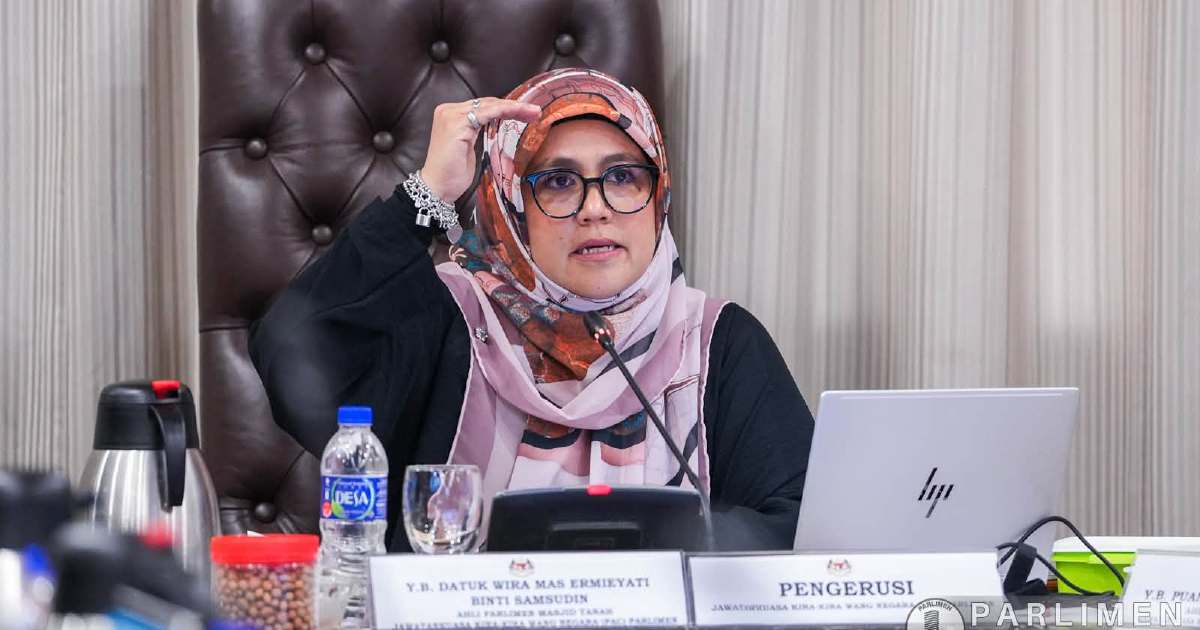
The Public Accounts Committee of Parliament has moved forward with a formal inquiry into systemic weaknesses across governance, financial administration, and investment operations at Lembaga Tabung Haji. The decision, reached through unanimous agreement at the committee's proceedings in Kuala Lumpur, marks an escalation in legislative oversight of the Islamic pilgrimage fund manager and signals growing parliamentary concern about institutional stewardship at the organisation.
Lembaga Tabung Haji, which functions as Malaysia's primary custodian for savings accounts belonging to Muslims preparing for the hajj pilgrimage to Mecca, holds fiduciary responsibility over substantial financial assets collected across the nation. The inquiry represents a critical moment for the institution, which has faced mounting questions regarding how it manages these religiously significant funds entrusted by millions of Malaysian Muslims over several decades.
The PAC's initiation of formal investigative proceedings follows longstanding concerns about the organisation's operational and financial practices. Through its mandate as Parliament's principal instrument for scrutinising government expenditure and institutional accountability, the committee is equipped to examine internal governance structures, board decision-making processes, and the frameworks guiding investment allocation strategies that have come under public question.
Financial stewardship remains central to the inquiry's scope. As an institution managing accumulated savings designated specifically for religious obligations, Tabung Haji operates within a framework where public trust constitutes its most valuable asset. The committee's investigation will likely examine whether financial controls and risk management protocols adequately protect contributor interests and whether investment returns reflect best practices expected from professionally managed funds serving Malaysia's Muslim population.
Governance weaknesses identified in the committee's decision point toward potential inadequacies in internal oversight mechanisms, board composition and decision-making authority, audit functions, and reporting transparency. These structural issues form the foundation upon which institutional credibility rests, particularly for an organisation whose primary stakeholders view deposits as religious trusts rather than conventional savings vehicles.
Investment performance and strategy constitute another investigative dimension requiring detailed examination. The fund's allocation decisions across domestic and international markets, real estate acquisitions, and other asset classes have generated debate regarding alignment with risk tolerance appropriate for managed savings accounts. The PAC's inquiry will assess whether investment committees possessed sufficient expertise and whether decisions reflected transparent, documented rationales subjected to rigorous internal review.
The unanimous support within the PAC underscores cross-party recognition that institutional accountability transcends political divisions. This consensus suggests that legislators across the parliamentary spectrum share concerns about Tabung Haji's operational trajectory and recognise the investigation's importance to maintaining public confidence in government-linked institutions entrusted with citizen assets.
For Malaysian Muslims who maintain accounts with Tabung Haji, the committee's action represents formal acknowledgment that their concerns warrant legislative attention and comprehensive examination. The probe provides a structured mechanism through which governance deficiencies can be documented, underlying causes identified, and corrective recommendations developed with parliamentary authority behind implementation expectations.
The investigation carries implications beyond the institution itself. Tabung Haji's position within Malaysia's Islamic financial ecosystem means that its governance standards influence perceptions of accountability across comparable institutions. A thorough PAC inquiry, coupled with transparent public communication of findings, can reinforce confidence in Malaysia's approach to managing religiously designated funds and strengthen institutional frameworks throughout the sector.
Industry observers and institutional governance specialists will monitor the investigation's methodology and scope. The committee's approach to examining governance structures and financial practices may establish precedents applicable to other government-linked organisations facing accountability questions. Public reporting of the investigation's progress and eventual findings will contribute to broader national conversations regarding institutional transparency and stakeholder protection.
As the PAC commences its formal proceedings, both the speed and thoroughness of the investigation become significant. Tabung Haji's contributors warrant timely clarity regarding institutional operations, while comprehensive examination ensures that recommendations address systemic issues rather than merely surface-level concerns. The committee's work will ultimately determine whether governance, financial, and investment frameworks require fundamental restructuring or targeted remediation.
The investigation represents a watershed moment for Malaysia's approach to legislative oversight of government-linked institutions. Through rigorous examination of Tabung Haji's operations, Parliament can reassert its accountability function while demonstrating commitment to protecting the interests of millions of Muslims whose religious savings depend upon institutional integrity and sound management.

