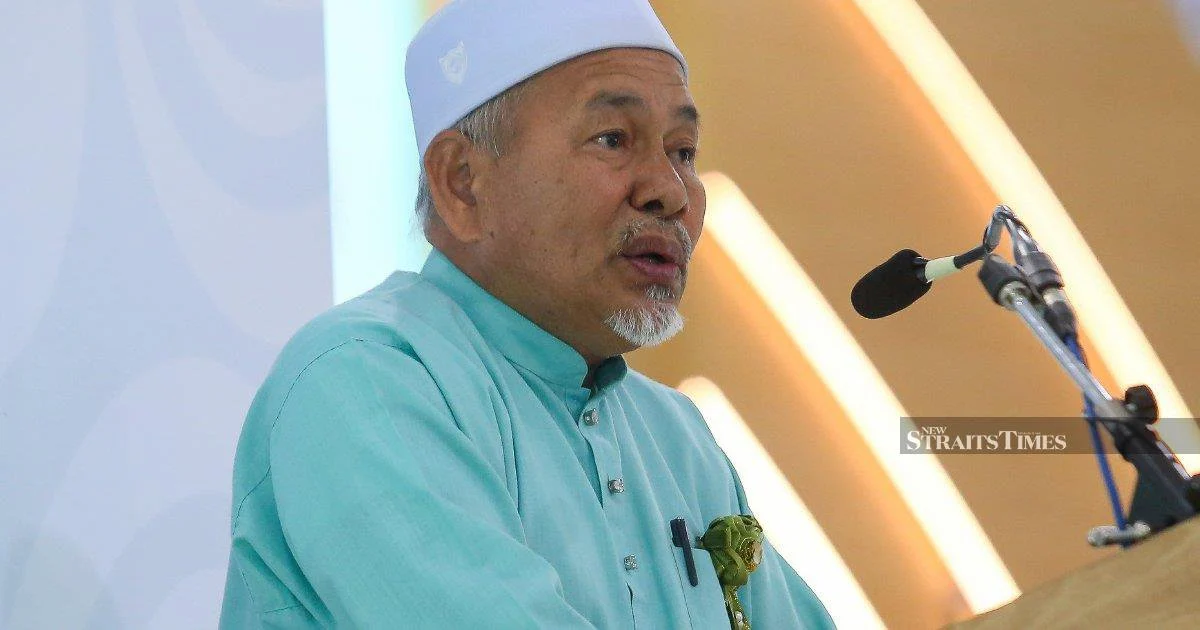
PAS has moved to strategically back Barisan Nasional candidates in designated Johor state election seats, framing the decision as a calculated effort to prevent the splintering of Malay voter support across competing Islamic and Bumiputera-focused parties. Deputy president Datuk Seri Tuan Ibrahim Tuan Man made the announcement from Kota Baru, signalling that the Islamic party's leadership views the consolidation of the Malay-Muslim electoral bloc as essential to maximising the opposition's prospects in the southern state's upcoming polls.
The arrangement represents a tactical reversal from PAS's recent trajectory, when the party aggressively expanded its footprint across the peninsula and peninsular Sabah and Sarawak. Rather than fielding a full slate of candidates across Johor, PAS has opted to concentrate its resources in selected constituencies where it judges internal competition would weaken an otherwise unified counter to the ruling coalition. This narrower approach suggests that PAS strategists believe selective withdrawal is preferable to a three-way or four-way fragmentation of support in contests where BN candidates might otherwise lose to DAP or other PKR-aligned contenders.
The strategic calculus underlying this decision reflects broader tensions within Malaysia's opposition ecosystem. Since the 2022 general election, opposition coalitions have struggled to maintain unity, with Perikatan Nasional having fractured PAS from its former alliance with PKR and DAP. By now focusing on a limited number of Johor seats rather than competing universally, PAS signals pragmatic acceptance that vote-splitting between BN and the opposition would benefit neither party at a time when both seek to consolidate support among Malay and Muslim constituencies. The statement from Tuan Ibrahim appears aimed at preemptively justifying the decision to party members and supporters who might question why an Islamic opposition movement would voluntarily cede electoral opportunities to the government coalition.
Johor's electoral significance cannot be overstated. As Malaysia's second-largest state by population and a long-standing BN stronghold, developments there carry implications for national political dynamics. Any signal of opposition unity or collaboration, even selective and limited in scope, draws attention from rival camps and influences how voters in neighbouring states interpret the broader opposition strategy. The fact that PAS has chosen Johor—rather than, say, Kelantan or Terengganu, where it has traditionally dominated—for this accommodation suggests that party leadership recognises the state's strategic importance and the futility of competing head-to-head with BN across all seats.
The timing of this announcement intersects with broader debates about electoral reform and opposition cohesion in Southeast Asia's longest-serving democracy. Since the 2018 general election victory by Pakatan Harapan, Malaysian politics has witnessed repeated cycles of coalition-building, fragmentation, and realignment. PAS's decision in Johor occurs within this context of institutional instability and reflects the party's calculated attempt to remain electorally relevant while avoiding the appearance of abandoning its Islamic mandate. By supporting selected BN candidates—which party officials would likely characterise as supporting Bumiputera and Islamic-friendly candidates rather than endorsing UMNO's broader agenda—PAS attempts to maintain ideological consistency while engaging in realpolitik.
The opposition landscape in Johor has historically been fractured, with DAP holding several seats while PAS and other Islamic parties contest territory traditionally held by BN component parties. By withdrawing from selected seats, PAS potentially allows BN to deploy its resources more efficiently and presents a more unified Malay-Muslim front. However, this accommodation does not represent a formal merger or long-term alliance structure; rather, it is presented as a pragmatic, election-specific arrangement aimed at preventing the scenario where opposition votes fragment and hand victory to DAP or Amanah candidates who might otherwise lose if Malay votes remained unified behind a single contender.
The implications for Malaysia's broader political trajectory are noteworthy. Should this Johor model prove successful in consolidating Malay-Muslim support without fracturing either PAS or BN's bases, it could influence how opposition and government coalitions approach state elections in Kedah, Penang, or Selangor. Conversely, if Johor voters interpret this accommodation as PAS capitulating to BN or abandoning its populist Islamic mandate, it could weaken the party's position in its traditional strongholds. The announcement therefore carries risks alongside potential rewards, and party leadership will be closely monitoring how grassroots members and supporters receive this departure from full electoral contestation.
From a regional perspective, PAS's tactical flexibility mirrors broader patterns across Southeast Asia, where Islamist parties increasingly navigate coalitional politics and pragmatic power-sharing arrangements. Unlike some regional counterparts that have embraced permanent government participation, PAS maintains an opposition identity while demonstrating willingness to cooperate selectively with establishment forces. This balancing act reflects evolving voter expectations and the maturation of Malaysian Islamic politics beyond purely ideological positioning.
Ultimately, PAS's backing for selected BN candidates in Johor represents neither a fundamental realignment nor an isolated tactical manoeuvre, but rather a measured attempt to influence electoral outcomes through strategic seat allocation. By preventing vote fragmentation among Malay-Muslim constituencies, the party hopes to marginalise DAP's electoral reach while preserving its own organisational strength for contests where it remains the primary contender. Whether this approach succeeds in achieving its dual objectives—maintaining opposition identity while maximising electoral effectiveness—will become apparent once Johor's voters deliver their verdict.

