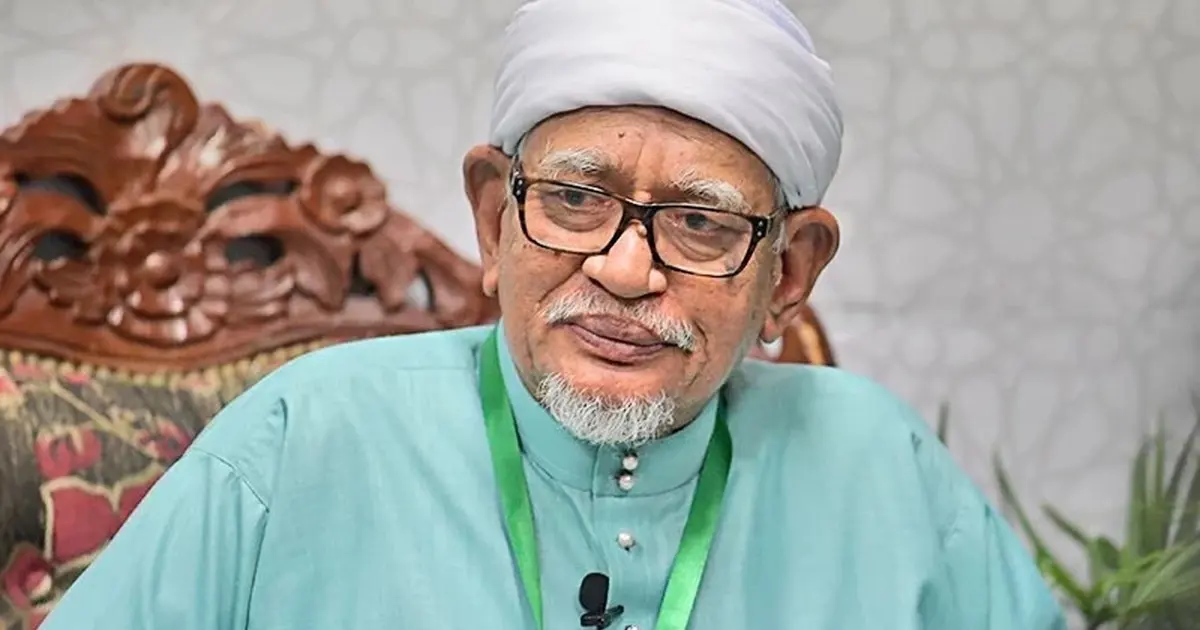
Negotiations between PAS and Barisan Nasional over parliamentary seat allocations in Melaka are proceeding, with PAS President Hadi Awang confirming that the bargaining process explicitly acknowledges BN's poor performance in the state during the 15th General Election. The discussions underscore the complex calculus of power-sharing arrangements as coalition partners seek to reset their electoral footing ahead of future contests.
Hadi's remarks highlight a fundamental tension in Malaysian coalition politics: the need to balance loyalty to longstanding alliances with electoral realities that reward stronger performers. In GE15, held in November 2022, the Barisan Nasional coalition secured no parliamentary representation in Melaka despite its historical dominance in the state. This outcome marked a dramatic reversal from previous electoral cycles and has become the baseline from which current negotiations commence.
The significance of Melaka extends beyond its three parliamentary seats. The state has symbolic weight within the Malay-Muslim political ecosystem that both PAS and BN cultivate. Melaka, as the birthplace of Malay civilisation and home to the Malacca Sultanate, carries cultural and historical resonance that influences how coalition partners view their standing within the state. BN's collapse in parliamentary representation there suggests shifting voter preferences that subsequent negotiations must address frankly.
PAS, as the primary force in the Perikatan Nasional coalition that currently supports the federal government, holds considerable leverage in these discussions. The Islamic party's growth in recent years, particularly after consolidating Malay-Muslim support away from competing parties, positions it as an increasingly dominant player in states with significant Muslim demographics. Melaka, while not predominantly Islamist in recent electoral patterns, nonetheless represents territory where PAS seeks to expand its footprint.
The acknowledgement that BN's GE15 performance must factor into seat negotiations reflects a broader recalibration of Malaysian coalition politics. Traditionally, seat allocations followed established patterns based on historical performance and internal party agreements. However, the volatility of recent general elections—including the 2018 general election that toppled the original BN government—has forced political actors to become more explicit about tying seat distributions to current voter support levels.
For PAS, extracting maximum value from these negotiations serves multiple strategic objectives. The party seeks to demonstrate to its base and to the broader Malay-Muslim electorate that it possesses genuine political power, not merely symbolic representation. Conversely, for BN components such as the United Malays National Organisation (UMNO), conceding ground in seat negotiations becomes a painful but perhaps necessary adjustment to their electoral reality. The coalition must rebuild credibility with Melaka voters before claiming an equal share of seats based on past dominance.
These discussions also reflect the evolving nature of federal-state politics in Malaysia. Melaka's governance is currently under a government shaped by recent political arrangements, and control over parliamentary representation influences both legislative effectiveness and the ability to mobilise state resources during campaigns. The outcome of PAS-BN seat negotiations will therefore affect not only electoral prospects but also immediate governance capabilities within the state assembly and during parliamentary business.
The timeline for concluding these negotiations remains unspecified, though Hadi's confirmation suggests active progress rather than stalled discussions. Coalition partners typically seek to finalise such arrangements well before any election cycle accelerates, allowing sufficient time for candidates to campaign and establish themselves within constituencies. The openness to discussing GE15 results suggests both parties recognise that voter sentiment has genuinely shifted and cannot simply be ignored through formulaic seat-sharing.
For Malaysian voters and observers tracking coalition stability, these Melaka negotiations offer a case study in how electoral defeats translate into reduced negotiating power. BN's loss of all parliamentary representation in the state creates a difficult starting position for claiming an equal share of seats with PAS going forward. This dynamic could intensify intra-coalition tensions if BN leaders perceive themselves as receiving inadequate recognition for their historical contributions, even as electoral mathematics suggest otherwise.
The broader context involves PAS's strengthening position within Malaysia's political firmament and its complex relationship with the Barisan Nasional. While the two coalitions have not merged, PAS provides crucial parliamentary support to the federal government. Seat negotiations in Melaka thus carry implications extending beyond state-level politics, reflecting national calculations about coalition balance and the sustainability of current federal arrangements.
Moving forward, these negotiations will likely establish precedents for how Malaysian political coalitions distribute opportunities when partners experience significant electoral volatility. Should the discussions conclude with PAS securing a notably larger share of Melaka's parliamentary seats relative to BN, it would signal that electoral performance has become the dominant determinant of seat allocation—a departure from earlier practice where seniority and historical precedent carried greater weight. Conversely, should BN successfully defend a substantial allocation despite its GE15 collapse, it would suggest that traditional coalition loyalties and internal party negotiations still outweigh raw electoral metrics.

