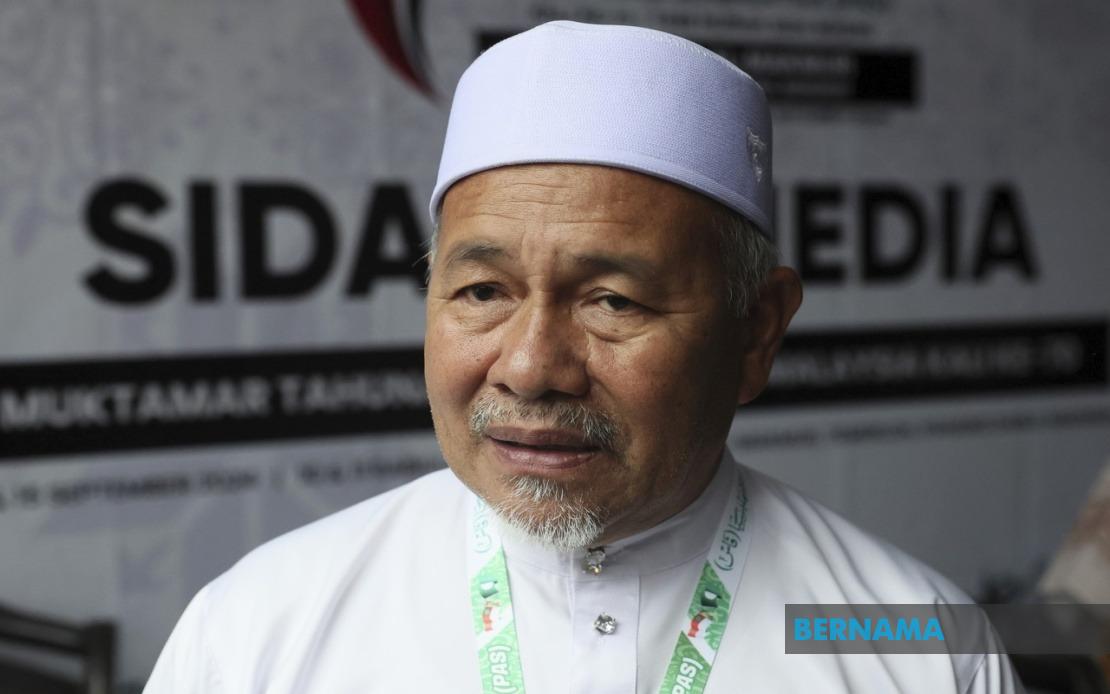
The Islamic party PAS has intensified pressure on the Malaysian government to bring fugitive financier Jho Low before domestic courts to answer charges stemming from the sprawling 1Malaysia Development Berhad scandal, insisting that Malaysia's legal system need not wait for international developments or defer to decisions made elsewhere. Speaking in Kota Bharu at the Pasir Mas PAS divisional annual general meeting, deputy president Datuk Seri Tuan Ibrahim Tuan Man articulated a nationalist position on the matter, emphasising that Malaysia possesses a functioning judiciary capable of pursuing justice independently without requiring guidance from the United States or any other nation.
The intervention from PAS, a coalition partner in the Pakatan Harapan government, underscores the political salience of the 1MDB affair nearly a decade after its unravelling. Jho Low remains at large, and his legal status has become entangled with international jurisdictional questions and, recently, speculation about potential clemency from incoming United States President Donald Trump. The business world figure has been accused of orchestrating a massive theft from the sovereign wealth fund, with investigations across multiple continents revealing an international money-laundering network of unprecedented scale. Malaysia's direct interest in securing his prosecution stems from the fact that 1MDB was a state-owned entity, and the misappropriation of its funds represented a direct loss to the Malaysian people and government coffers.
Tuan Ibrahim's statement reflects broader anxieties within Malaysian political circles that international developments could complicate domestic prosecution efforts. Reports circulated in international media suggesting that Jho Low featured among approximately 250 individuals under consideration for presidential pardon by Trump, timed to coincide with the United States' Independence Day celebrations. Such a pardon, were it to materialise, would eliminate his exposure to American criminal charges but would not erase Malaysian legal jurisdiction or undermine the case that local courts could bring against him. The PAS official's comments implicitly challenge any assumption that Malaysia would be bound by or required to defer to American prosecutorial outcomes.
Prime Minister Datuk Seri Anwar Ibrahim had previously reaffirmed the government's determination to pursue legal action against Jho Low, explicitly acknowledging the pardon speculation but insisting that Malaysia would remain committed to its own judicial processes. The Prime Minister's stance provided political cover for the position now articulated by PAS, suggesting cohesion within the ruling coalition on this issue. However, Tuan Ibrahim went further by emphasising that Malaysia bore the greatest burden of Jho Low's actions and therefore deserved priority in bringing him to account. This framing places Malaysia at the centre of the narrative rather than as a secondary claimant waiting for international processes to conclude.
The economic dimension of the 1MDB scandal remains keenly felt in Malaysia. The fund, established with ostensible objectives of advancing the nation's development agenda, had its assets systematically diverted into private hands and offshore accounts. The total theft reached billions of dollars, representing a profound betrayal of public trust and a loss that continues to affect the nation's fiscal health and international credibility. Tuan Ibrahim specifically referenced the economic impact on Malaysia as justification for prioritising domestic prosecution, a rhetorical move that connects abstract legal proceedings to tangible consequences for ordinary Malaysians still grappling with economic pressures.
Jho Low's evasion of apprehension has been facilitated by geographical distance and the complexity of extradition arrangements across multiple jurisdictions. Malaysia currently lacks a formal extradition treaty with several countries where he is believed to have found refuge, complicating efforts to secure his return. The PAS deputy president called explicitly for authorities to accelerate the extradition process, suggesting impatience with the pace at which legal machinery has operated thus far. This demand for expedition reflects frustration that years have elapsed since the scandal's exposure without Jho Low facing meaningful accountability in a Malaysian courtroom.
The political consensus on pursuing Jho Low masks deeper divisions within Malaysian society regarding the 1MDB affair. The original 1Malaysia Development Berhad fund was conceptualised during the tenure of former Prime Minister Datuk Seri Najib Razak, and the scandal became emblematic of alleged governance failures and corruption that contributed to the electoral upheaval of 2018. While Najib has faced his own legal proceedings, the role of other officials and the full network of beneficiaries remain subject to ongoing investigation and debate. Jho Low's trial could potentially illuminate those broader questions, lending added significance to the push for his domestic prosecution.
From a regional and international perspective, Malaysia's insistence on independent prosecution sends a message about sovereignty and the limits of deference to great-power decisions. While Malaysia maintains important relationships with the United States, the 1MDB matter represents an area where national interest and legal principle converge in support of autonomous action. The positioning by both the government and opposition-leaning PAS around domestic prosecution reflects a wider Southeast Asian concern about capacity to pursue justice when wealth and influence enable fugitives to seek asylum in distant jurisdictions.
The question of Jho Low's trial has acquired symbolic weight beyond the individual case. It represents a test of whether Malaysian institutions can deliver justice when confronted with sophisticated international crime and the protective barriers that wealth and international mobility can erect. The spectacle of a Malaysian national evading accountability for stealing from a Malaysian state institution carries implications for public confidence in the rule of law. Tuan Ibrahim's call therefore resonates not merely as a partisan or sectarian position but as an assertion of fundamental principles about national sovereignty and institutional competence.
The coming weeks will likely witness continued diplomatic and legal manoeuvring around Jho Low's status. Any presidential pardon issued in the United States would alter the international landscape but would not necessarily resolve Malaysian claims against him. The coordination between Malaysian law enforcement, diplomatic channels, and judicial authorities will become more critical if the country intends to translate political statements into concrete legal outcomes. The challenge lies in translating rhetorical commitment into the practical mechanisms necessary to locate, apprehend, and prosecute an individual determined to remain beyond reach.

