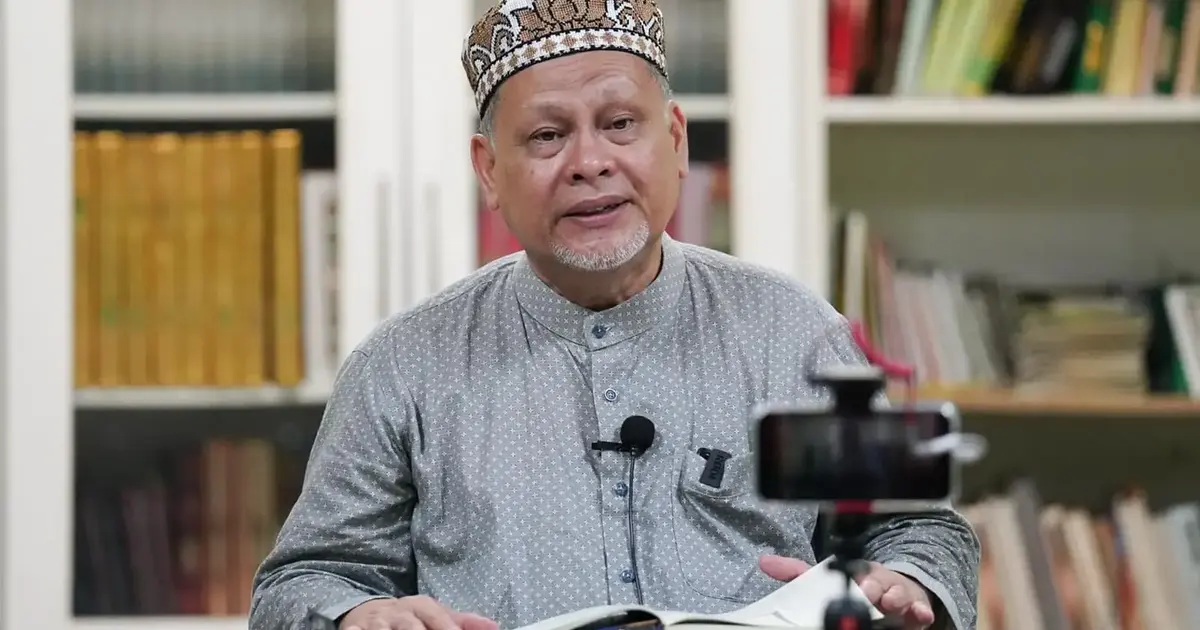
PAS has made clear it will not hesitate to field candidates against Bersatu if the two Perikatan Nasional allies find themselves competing for the same constituencies in the upcoming Negeri Sembilan state election, according to the party's deputy president Amar Abdullah. The statement reflects underlying tensions within the coalition regarding seat distribution and raises questions about the stability of the PN partnership ahead of what could be a closely contested election in the central state.
The position adopted by PAS signals a departure from the usual approach taken by coalition partners, who typically avoid direct confrontation to maintain unity and maximise their combined vote share. By openly declaring willingness to challenge Bersatu, Amar Abdullah has essentially served notice that PAS will prioritise its own electoral interests if negotiations on seat allocation prove unsuccessful. This hardline stance suggests negotiations between the two parties may not be progressing smoothly as the state election draws closer.
Bersatu, which emerged from the 2022 general election as a significant player in Malaysian politics following its split from the United Malays National Organisation, has been building its presence across multiple states. The party's aggressive expansion strategy appears to have created friction with established PN partners like PAS, which has a substantial base in various constituencies nationwide. In Negeri Sembilan specifically, where both parties may see opportunities, the lack of a clear pre-agreed seat arrangement could result in a damaging internal contest.
The Negeri Sembilan state election remains subject to timing decisions, but the issue of seat allocation has become increasingly urgent as opposition parties prepare their own machinery. A divided PN showing internal cracks during the campaign period would provide significant advantages to competing coalitions, particularly Pakatan Harapan, which has demonstrated strength in peninsular state elections. The political arithmetic in Negeri Sembilan is finely balanced, meaning every seat carries substantial weight in determining the eventual composition of the state government.
PAS has long maintained that its Islamic credentials and extensive grassroots network give it natural advantages in mobilising voters across rural and semi-urban areas. The party has successfully leveraged these strengths to capture seats in various state and federal elections. Bersatu, by contrast, operates from a different political foundation, having emerged as Mahathir Mohamad's vehicle following his split with UMNO. This fundamental difference in political DNA and voter appeal has created distinct spheres of influence, though both parties increasingly compete for the same voter demographic.
The deputy president's comments suggest that PAS leadership has concluded the party is in a strong enough position to risk internal PN tension. This confidence reflects PAS's recent electoral performance and the perception that backing down in seat negotiations could damage its credibility with supporters and lower-ranking party members who expect aggressive expansion. Additionally, any perception of weakness or capitulation to Bersatu could affect PAS's positioning in future negotiations for other state and federal elections.
For Bersatu, Amar Abdullah's statement presents a strategic challenge. The newer party has been attempting to establish itself as a mainstream political force rather than merely a vehicle for specific individuals. Direct electoral competition with PAS in Negeri Sembilan would expose Bersatu's relative newness and organisational limitations compared to more established parties. However, backing down from contested seats might suggest to Bersatu's own supporters that the party lacks ambition or political muscle within the coalition structure.
The broader implications for Perikatan Nasional are concerning. Coalition strength depends fundamentally on maintaining unity and demonstrating that partners trust each other to respect agreed boundaries. Public statements about willingness to contest against coalition partners, even if framed as contingencies, undermine this essential cohesion. Opposition parties will undoubtedly exploit such divisions, potentially encouraging defections or tactical shifts that could fragment PN support in marginal constituencies.
Regional observers in Southeast Asia continue to monitor Malaysian coalition dynamics closely, particularly given the precedent set by PN's formation and recent performance. The ability of diverse political parties to cooperate and maintain electoral alliances despite ideological differences carries implications for regional political stability and the sustainability of coalition-based governance models across the region. Instability within PN could resonate across Southeast Asian political systems where multi-party coalitions have become increasingly common.
For Negeri Sembilan voters, the emerging tensions within PN present both challenges and opportunities. A fragmented coalition response could lead to confused messaging and divided campaign efforts, potentially benefiting well-organised opposition parties. Conversely, competition between PN components might drive greater policy specificity and direct engagement with local constituencies, as each party attempts to distinguish its platform and secure voter support independently rather than relying solely on coalition identity.
The resolution of this seat allocation dispute will likely shape how PN approaches similar negotiations in other states. If PAS and Bersatu manage to reach accommodation through further discussions, the precedent would strengthen coalition unity. Conversely, if direct competition materialises, it could establish a template for other potential internal conflicts within PN, potentially weakening the coalition's competitive position against Pakatan Harapan's better-organised alliance structure.

