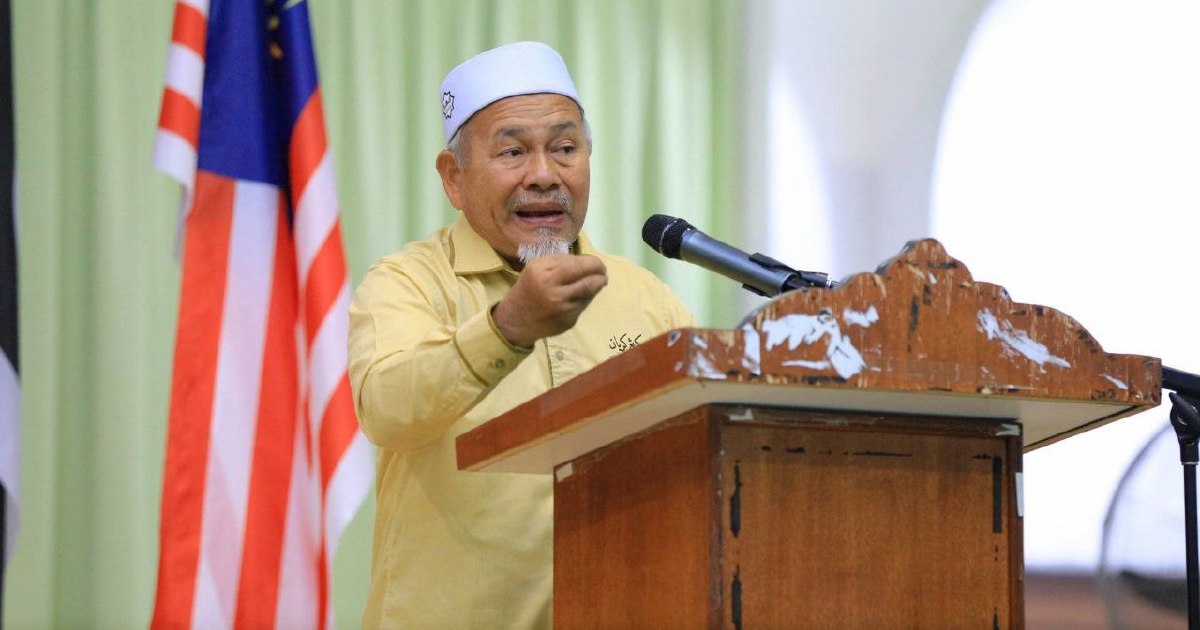
PAS is preparing to explore potential seat-sharing arrangements with coalition partner UMNO in forthcoming elections, according to remarks by the party's deputy president. Datuk Seri Tuan Ibrahim Tuan Man, speaking in Temerloh, indicated that the Islamic party would examine swapping both state assembly and parliamentary constituencies with UMNO, contingent on various stipulated conditions that have not yet been publicly detailed.
The statement reflects an evolving negotiating posture as Malaysia's political landscape continues to shift following the 2022 elections. UMNO and PAS have maintained an alliance through the Barisan Nasional coalition, though tensions periodically surface over seat distribution and policy differences. Such discussions over electoral positioning are routine within ruling coalitions, yet the explicit acknowledgment signals a willingness to engage flexibly in what could be a contentious allocation process.
Seat-swapping arrangements serve multiple strategic purposes in Malaysian coalition politics. By concentrating party resources and voter appeals in specific constituencies, such deals can theoretically maximise the coalition's overall seat count. However, they also require careful management to prevent alienating incumbent politicians or grassroots members who might view relinquishing seats as diminishment. The conditions that Tuan Ibrahim referenced likely encompass metrics such as electability assessments, incumbent performance records, or demographic considerations that would justify any changes to incumbent positions.
For Malaysian voters and political observers, these negotiations represent the beginning stages of electoral mathematics that will ultimately shape the nation's next parliament. While specific timelines for elections remain uncertain, coalition partners typically begin such discussions at least six months in advance, allowing sufficient runway for internal consultations and candidate selection processes. The apparent openness from PAS may itself be tactical posturing intended to extract concessions on other fronts within the broader coalition partnership.
The dynamics between UMNO and PAS carry regional implications throughout Southeast Asia, where Islamic parties navigate complex relationships with secular-leaning conservative parties. Malaysia's model of power-sharing demonstrates how parties with different ideological emphases can maintain electoral alliances provided underlying agreements exist regarding parliamentary seats and ministerial positions. Any fundamental shifts in the UMNO-PAS relationship could ripple through Malaysian governance structures and affect policy directions on matters ranging from religious affairs to economic initiatives.
Temerloh, where Tuan Ibrahim made these remarks, itself sits at the intersection of such considerations. The Pahang constituency represents a traditionally competitive battleground where seat distribution between coalition partners has periodically generated internal disagreements. Comments made there carry particular weight given the constituency's symbolic and strategic importance to both UMNO and PAS operations in the state.
The broader context reveals a coalition navigating multiple pressures simultaneously. Public opinion towards BN components has fluctuated considerably, and neither UMNO nor PAS wishes to squander electoral opportunities through protracted internal disputes over which party contests which seats. Simultaneously, both parties must manage expectations among their membership that current holders of seats will be treated fairly and not casually displaced without compelling justification.
Conditions attached to seat-swapping arrangements typically include qualifications about incumbent strength, voter sentiment in particular constituencies, and broader strategic objectives. A lawmaker who has underperformed in previous elections might be offered alternative positions or asked to step aside, while those demonstrating resilience might be actively defended. PAS's willingness to consider such discussions suggests the party recognises the value of pragmatic power-sharing over rigid insistence on particular constituencies.
The announcement also reflects confidence within PAS regarding its electoral prospects. Rather than defensively clutching existing seats, the party appears positioned to contemplate adjustments that might benefit the broader coalition and potentially deliver more seats collectively. This posture implies internal assessments suggesting PAS can compete effectively across multiple demographic and geographic contexts rather than relying exclusively on specific strongholds.
Looking forward, Malaysian political watchers should anticipate formal seat distribution discussions intensifying over coming months. Tuan Ibrahim's statement serves as an opening gambit that establishes PAS's flexibility while maintaining the appearance of protecting party interests through unspecified conditions. How UMNO responds, whether through reciprocal flexibility or competing demands, will shape whether coalition negotiations proceed smoothly or become another point of friction within Barisan Nasional's internal dynamics.

