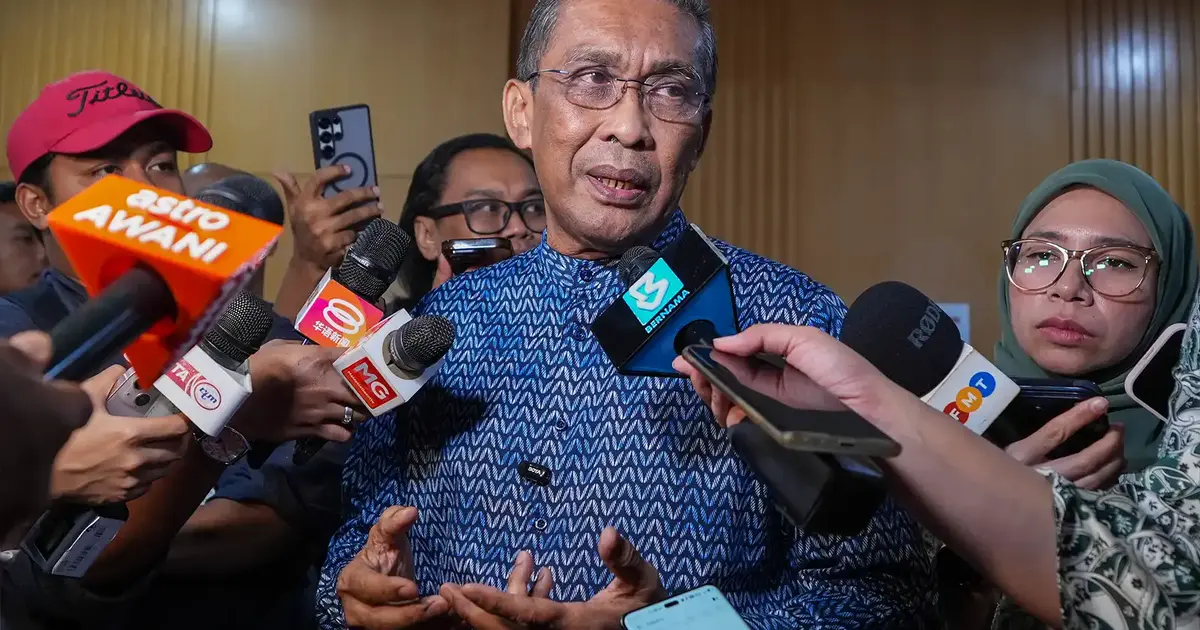
The Islamic Party of Malaysia (PAS) intends to place a formal motion regarding its strategic cooperation with Umno before delegates at its muktamar conference, marking a significant moment for the Islamist party to seek grassroots endorsement of the political alliance. Secretary-General Takiyuddin Hassan announced the proposal will constitute a major agenda item, signalling the party's commitment to transparent discussion of a relationship that has shaped Malaysian politics in recent years.
The decision to bring the cooperation framework to the muktamar demonstrates PAS's approach to validating its political partnerships through internal party democracy. Rather than operating the alliance behind closed doors, party leadership has chosen to present the arrangement for broader scrutiny and approval from the delegate body, which represents grassroots membership across the country. This transparency mechanism underscores how modern Malaysian political parties increasingly balance top-level strategic decisions with internal consultation processes.
Muslim unity has emerged as a parallel focus for the conference agenda, with party officials flagging this theme as essential to the broader discussion. Takiyuddin signalled that delegates will be encouraged to debate how PAS's role in Malaysian Islam extends beyond party boundaries, touching on theological, social, and political dimensions of Muslim leadership in a pluralistic nation. This framing positions the PAS-Umno cooperation not merely as a tactical political move but as part of a larger conversation about religious stewardship and communal representation.
The timing of raising this motion carries particular weight in Malaysia's current political landscape, where coalitions remain fluid and party repositioning continues to reshape the electoral map. Both PAS and Umno have undergone significant internal transformations over the past decade, and formalising their working relationship through a muktamar motion represents consolidation of recent developments. For observers tracking Malaysian coalition dynamics, this step suggests the partnership has matured from informal arrangement to institutionalised framework.
For PAS delegates attending the muktamar, the motion will require them to evaluate not only the tangible benefits of cooperating with Umno but also potential costs and trade-offs. Members may probe how the alliance affects PAS's independent policy positions, particularly on Islamic governance, education, and religious affairs. The quality of debate will likely reflect ongoing tensions within the party between those prioritising electoral pragmatism and those favouring doctrinal consistency.
The conference presents an opportunity for PAS to address any internal divisions regarding the Umno partnership. Some party members may harbour concerns about Umno's secular orientation or question whether cooperation serves PAS's longer-term interests in capturing urban Malay-Muslim voters who have become more politically volatile. By bringing the issue to the muktamar floor, leadership can gauge sentiment and adjust messaging accordingly, building greater ownership of the alliance among the rank-and-file.
For the broader Malaysian political context, the muktamar motion signals confidence in the PAS-Umno arrangement at a moment when coalition stability matters significantly. Whether this partnership can deliver electoral results and policy coherence remains a question that extends beyond party forums to encompass voter expectations. Malaysian politicians from competing coalitions will monitor both the motion's passage and the nature of delegate discussions, seeking clues about stability in Umno-PAS relations and their implications for federal and state governance.
The emphasis on Muslim unity as a complementary agenda item suggests PAS leadership wishes to frame the cooperation not as narrow political calculation but as serving broader religious and communal interests. This rhetorical positioning attempts to elevate the discussion above transactional alliance politics, appealing to delegates' sense of Islamic responsibility and national leadership. How successfully party officials connect the cooperation framework to Muslim unity concerns will influence delegate receptiveness to the motion.
Regionally, the muktamar proceedings will attract attention from observers tracking Islamist party dynamics across Southeast Asia. PAS's approach to institutionalising cooperation with a more established political force offers insights into how religious parties navigate electoral systems and coalition pressures. The conference outcomes may also interest neighbouring countries concerned with stability in Malaysia and the trajectory of Islam-based political movements in the region.
Looking ahead, the muktamar motion represents a watershed moment for PAS to solidify its strategic direction through the next electoral cycle. Success in securing delegate approval would provide leadership with a mandate to deepen cooperation with Umno, while any significant resistance might signal need for recalibration. Either way, the formal presentation and debate of the cooperation framework promises to generate important information about PAS members' current political priorities and their vision for the party's future role in Malaysia's evolving political ecosystem.

