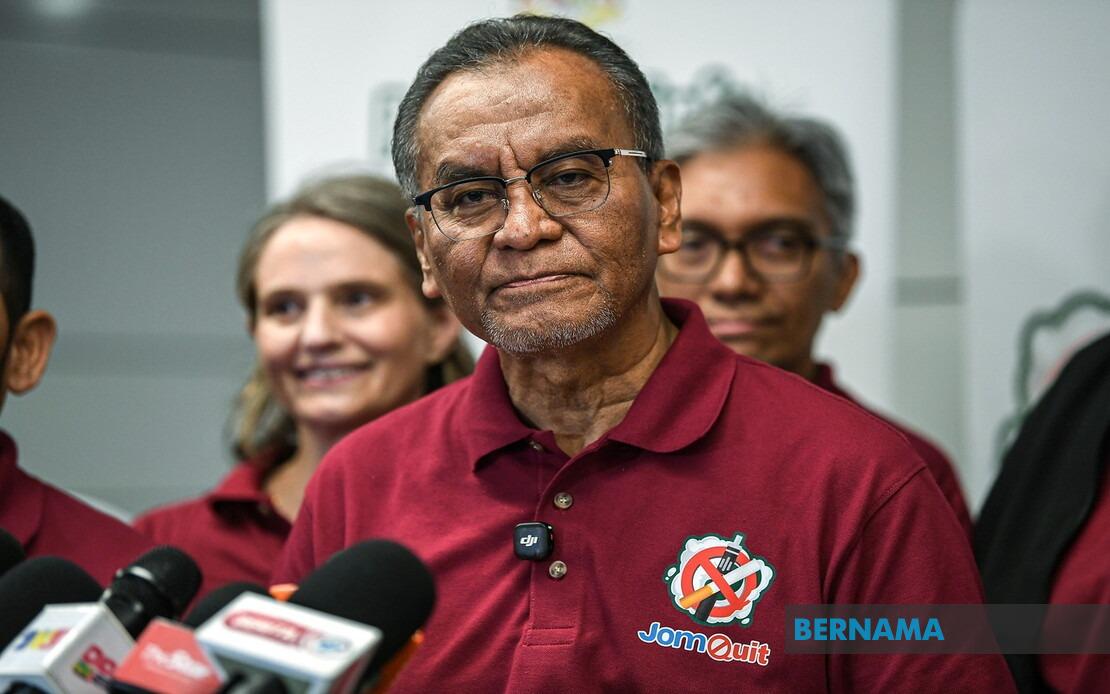
Pasir Gudang Hospital (HPG) is currently functioning with less than half its intended workforce, operating at 48 per cent staffing capacity since opening its doors in August last year, according to Health Minister Datuk Seri Dr Dzulkefly Ahmad. The facility has deployed 1,075 personnel across its operations and is following a carefully calibrated recruitment schedule to expand this workforce over the coming months. The phased approach reflects the healthcare system's broader constraints in recruiting and deploying medical professionals across the country.
The hospital's recruitment trajectory shows distinct improvements ahead. Staffing levels are projected to climb to 66 per cent by September, with the ultimate target of complete operational readiness reached by December 2024. This endpoint would unlock the facility's full potential, enabling it to utilise all 16 delivery rooms and 304 available beds. The timeline demonstrates the ministry's commitment to bringing the facility to its designed capacity, though the extended timeframe also underscores the persistent challenges facing Malaysian healthcare institutions in securing adequate personnel.
Medical officers represent the strongest staffing position across the hospital's departments. Currently, the facility has filled 176 of its 206 medical officer positions, translating to 85.4 per cent occupancy. The Health Ministry has opened permanent appointment pathways for the current year specifically to address the remaining vacancies in this critical category. Beyond doctors, the hospital currently operates 10 basic specialist services, with ophthalmology scheduled for introduction within the next half-year, broadening the range of treatments available to patients from Johor and surrounding regions.
Specialist medical coverage represents a particular area of expansion. Nine pre-gazetted medical specialists are expected to report for duty beginning this month and continuing until February 2027, which will elevate the specialist staffing rate from the current 36.36 per cent to 48.05 per cent. This gradual intake acknowledges both the scarcity of specialists within the Malaysian healthcare system and the structural challenges in fast-tracking their deployment. The delayed timeline for specialist arrivals reflects global patterns of specialist training and deployment, where such professionals require extended preparation periods and cannot simply be mobilised on demand.
Assistant medical officers will receive a significant injection in early October when 80 new recruits commence duties, propelling the staffing ratio from 68 to 91 per cent for this cadre. Nursing remains a more acute concern, with only 32.24 per cent of positions currently filled. However, the arrival of 70 additional nurses in September will lift this proportion to 40.42 per cent, providing some relief to an already strained care delivery function. Nursing shortages have become endemic across Malaysian public hospitals, driven by emigration, burnout, and competing private sector recruitment, making even modest gains significant achievements.
Supporting professional categories—encompassing radiographers, medical laboratory technologists, dietitians, and physiotherapists—currently operate at 45 per cent capacity, with progressive recruitment underway. These roles, while less visible than doctors and nurses, prove essential for diagnostic accuracy, treatment planning, and patient rehabilitation. Their gradual build-up reflects realistic assessment of the market availability for these skilled professionals within Malaysia's regional labour ecosystem.
To bridge immediate service gaps, the Health Ministry is deploying interim operational strategies. A cluster and visiting specialist model allows healthcare professionals from nearby facilities to provide specialist services at HPG, ensuring clinical requirements are met despite incomplete permanent staffing. This approach prioritises patient safety and diagnostic accuracy, with all cases triaged according to clinical urgency before emergency referrals are made. Such adaptive mechanisms have become standard practice across developing healthcare systems managing resource constraints.
The broader policy context reveals systemic interventions beyond Pasir Gudang alone. The ministry is substantially expanding its specialist training infrastructure, increasing parallel-pathway sponsorship slots to 600 annually from previous levels. Financial incentives including Specialist Incentive Payments and Pre-Gazetted Specialist Incentive Payments (BIPPW) have been introduced to retain eligible officers within the public system. These measures directly address physician emigration and private sector migration, persistent problems afflicting Malaysian public healthcare quality and accessibility.
Training capacity represents another strategic lever. The Health Ministry's training institutes (ILKKM) have expanded intake to 3,000 trainees annually, with ambitions to reach 5,000 by October 2027 through establishing four new educational colleges. This substantial expansion addresses the pipeline problem—generating sufficient healthcare professionals to fill current vacancies and support future facility development. However, such initiatives require multi-year investment horizons before producing tangible workforce gains, explaining why immediate staffing solutions remain aspirational.
Minister Dzulkefly emphasised that HPG's staffing progression cannot be implemented in isolation but must coordinate with system-wide considerations. Transferring personnel rapidly to a single facility could destabilise other institutions, creating cascading problems rather than solving them. The strategic, phased approach reflects mature healthcare management prioritising overall system stability alongside facility-specific objectives. For Johor residents, this discipline proves frustrating when local healthcare capacity remains constrained, yet system-wide collapse would be far more damaging.
Johor Menteri Besar Datuk Onn Hafiz Ghazi had previously pressed the Health Ministry to accelerate recruitment processes, underscoring state-level appetite for expanded healthcare capacity. Local political pressure acknowledges genuine community need and mounting demand from Johor's growing population. The minister's response balanced these expectations against practical constraints, demonstrating the tension between political expectations and operational reality that healthcare leaders navigate continuously.
For Malaysian healthcare observers, the Pasir Gudang trajectory illustrates broader systemic issues. The facility represents relatively recent infrastructure investment, yet its potential remains unrealised because healthcare systems are ultimately bounded by professional supply constraints. Expanding hospital buildings without proportionate increases in doctors, nurses, and specialists creates physical capacity without functional capacity. Addressing this mismatch requires sustained investment in medical education, improved remuneration and working conditions to retain professionals, and structural reforms strengthening the public system's attractiveness compared to private practice and overseas opportunities.
The December 2024 target represents an interim milestone rather than a final endpoint. Specialists will continue arriving through February 2027, meaning HPG's workforce composition will evolve for years beyond full operational activation. This extended timeline reflects the complex logistics of deploying professional workforces across a sprawling healthcare system serving 33 million Malaysians. Success ultimately depends on maintaining recruitment momentum, supporting staff retention, and delivering sufficiently improved working conditions to prevent further professional exodus to competing sectors and jurisdictions.

