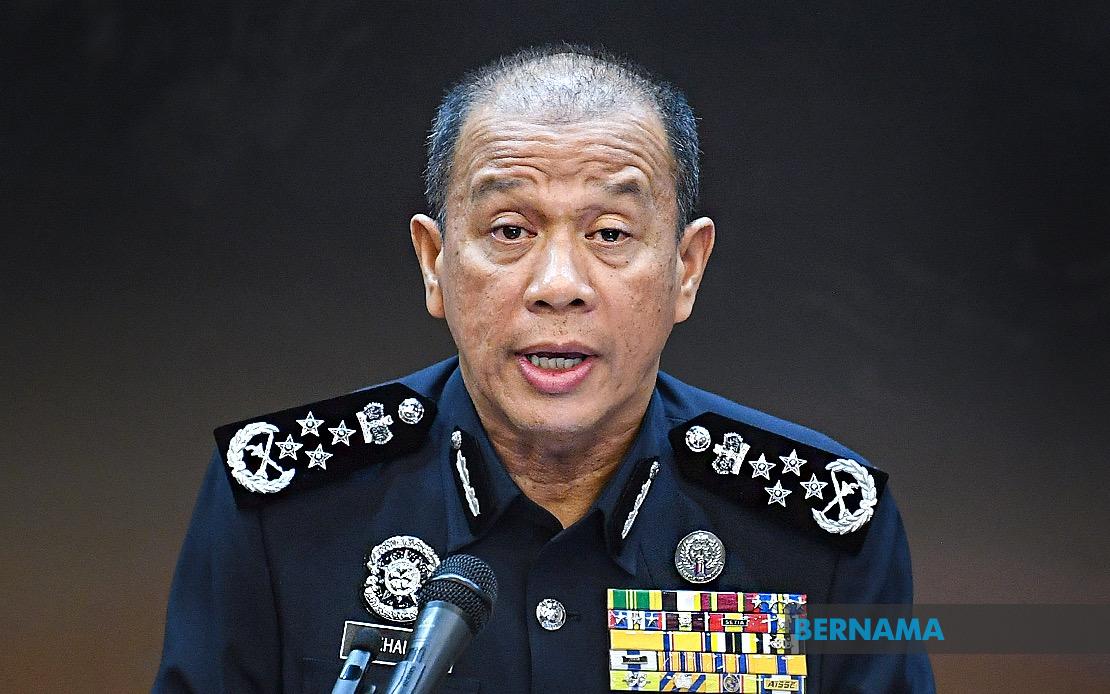
The Royal Malaysia Police has lauded the federal government's decision to introduce a reformed promotion framework for both uniformed services, signalling what senior leadership describes as meaningful recognition of the force's critical national role. Inspector-General of Police Tan Sri Mohd Khalid Ismail characterised the initiative as a substantive morale enhancer, noting that the overhaul addresses concerns long held by rank-and-file officers seeking clearer pathways to advancement within the institution.
Announced by Prime Minister Datuk Seri Anwar Ibrahim during the Semarak Kenegaraan programme at Terendak Camp, the new system aims to reduce administrative bottlenecks that have historically delayed promotions for both police and Malaysian Armed Forces personnel. The proposal represents a deliberate alignment with public service promotion standards, creating greater consistency across government bodies. By streamlining decision-making processes and removing redundant procedural layers, the government intends to accelerate career progression while maintaining professional standards.
Tan Sri Mohd Khalid expressed deep appreciation for Prime Minister Anwar Ibrahim's commitment to strengthening career development mechanisms within Malaysia's security apparatus. His statement underscores a broader government philosophy that investing in personnel advancement directly correlates with institutional effectiveness and public confidence. The timing of this initiative reflects recognition that security forces require sustainable motivation and clear advancement incentives to attract and retain capable personnel in an increasingly competitive employment landscape.
The Inspector-General articulated confidence that streamlined promotion pathways would generate measurable improvements in officer motivation and professional conduct. This reflects a management principle increasingly adopted across regional security establishments: that transparent, merit-based advancement reduces cynicism and enhances organisational cohesion. When personnel understand that progression depends on demonstrated competence rather than bureaucratic delay, workplace satisfaction and performance standards tend to improve simultaneously.
Full details of the reformed mechanism are scheduled for public announcement during the Ambang Merdeka celebration at Stadium Merdeka in Kuala Lumpur on August 30. This staged rollout allows the government time to finalise implementation procedures and communicate the framework to relevant stakeholders. The timing also capitalises on Malaysia's independence anniversary festivities, framing the initiative as part of broader national institutional strengthening.
PDRM has already signalled its readiness to collaborate fully with government agencies in executing the new system once specifics become available. This institutional receptiveness suggests the police leadership anticipates tangible operational benefits. The force's willingness to implement changes reflects understanding that outdated promotion structures undermine retention of experienced officers and limit opportunities for emerging talent within the ranks.
For Malaysian security personnel, clearer career advancement represents more than symbolic recognition. In practical terms, faster promotions mean earlier access to higher salary brackets, improved retirement benefits calculated on final salary levels, and enhanced job security through demonstrated progression pathways. These material incentives carry particular weight given Malaysia's rising cost of living, especially in major urban centres where police and military personnel often serve.
The reform also addresses regional security competition for talent. Countries including Singapore, Thailand, and Indonesia have modernised their military and police advancement systems to remain competitive employers. Malaysia's initiative positions the nation similarly, preventing brain drain of capable officers who might otherwise seek opportunities abroad. This talent retention becomes increasingly important as Malaysia pursues more sophisticated crime prevention and national security objectives requiring highly trained personnel.
From a broader governance perspective, this initiative demonstrates the Anwar Ibrahim administration's attention to institutional management beyond headline policy announcements. Security force morale influences operational effectiveness across numerous domains—from criminal investigation capacity to counter-terrorism capabilities to public order maintenance. By attending to personnel motivation, the government acknowledges these interconnections.
The alignment of police and military promotion systems with civil service standards carries additional significance for Malaysia's administrative coherence. Historically, different government sectors operated under separate advancement rules, creating internal inconsistencies and complicating inter-agency coordination. Harmonised promotion frameworks should facilitate better cross-sector collaboration, particularly in operations requiring joint police-military engagement.
Implementation will require careful attention to detail, particularly ensuring that accelerated timelines do not compromise merit-based selection. The credibility of any promotion system depends on personnel perceiving selections as fair and performance-based rather than politically influenced. This remains a persistent challenge across Southeast Asian security forces, where patronage concerns occasionally undermine institutional confidence.
The government has positioned this reform as foundational to broader security sector modernisation. Combined with ongoing digitalisation initiatives, training enhancements, and operational restructuring, streamlined promotions form part of a comprehensive effort to strengthen PDRM's capacity. Whether the initiative achieves intended morale benefits will become apparent in recruitment numbers, retention rates, and officer satisfaction surveys conducted following implementation.
With announcement details expected within weeks, Malaysian security personnel now await specifics on how the new mechanism functions, which grades it affects, implementation timelines, and transition arrangements for currently serving officers. The August 30 announcement will be closely watched not only by PDRM and MAF members but also by civil service unions and defence policy observers monitoring Malaysia's long-term security sector development strategy.

