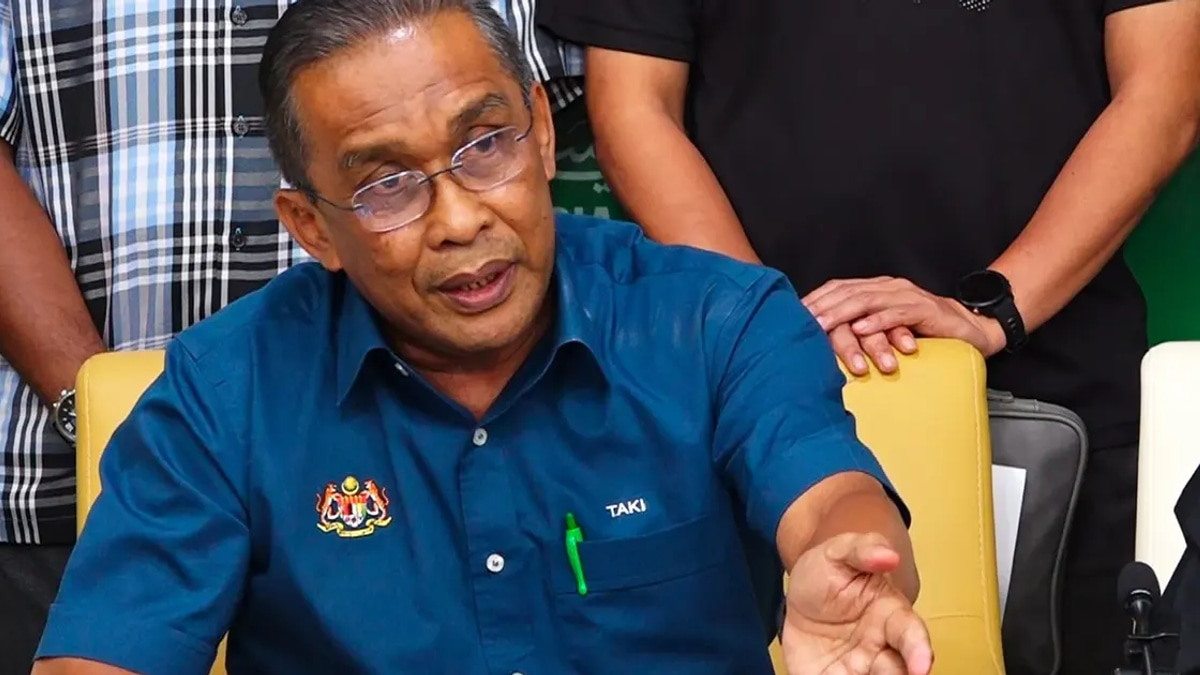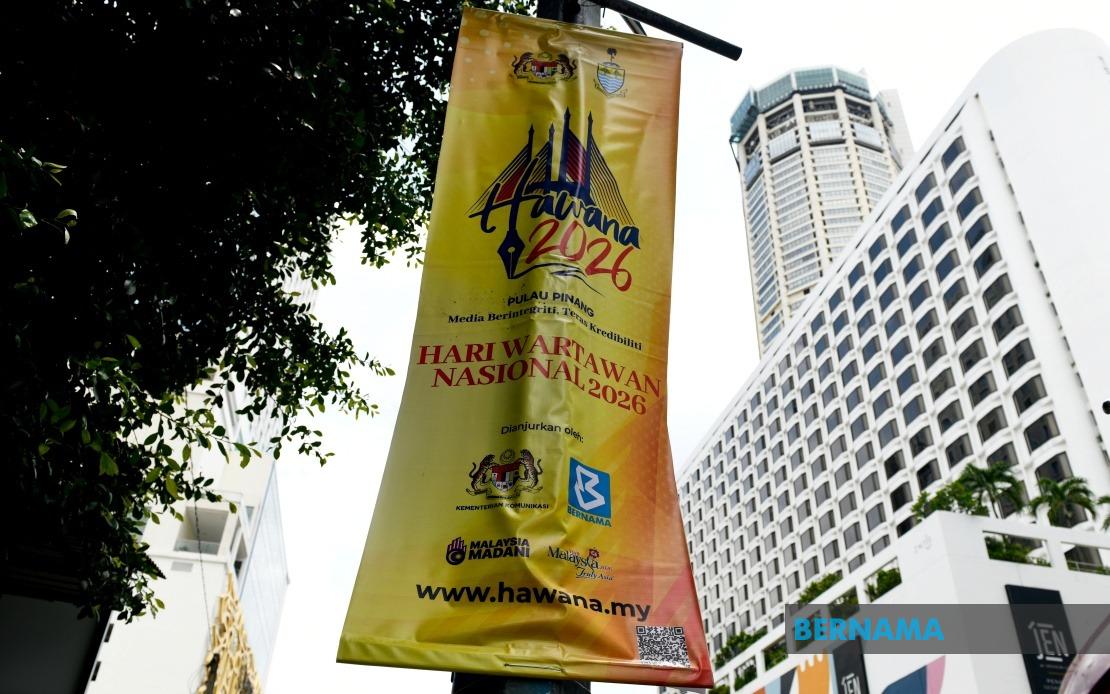
Penang's state government is bracing for what officials expect to be a landmark celebration of Malaysia's media sector this weekend, with Chief Minister Chow Kon Yeow expressing confidence that the National Journalists' Day (HAWANA) 2026 will deliver a fitting tribute to the nation's journalism profession. The comprehensive preparations underscore the island state's growing role as a host destination for major national events, reflecting both logistical capability and political commitment to strengthening the media landscape.
Chow revealed that sustained engagement with the Communications Ministry over recent months has laid the groundwork for the summit's smooth execution. This collaborative approach signals an understanding that hosting such a prestigious gathering requires coordination across multiple government levels and stakeholder groups. The partnership demonstrates how state-level authorities can effectively support national initiatives while maintaining their own development agendas.
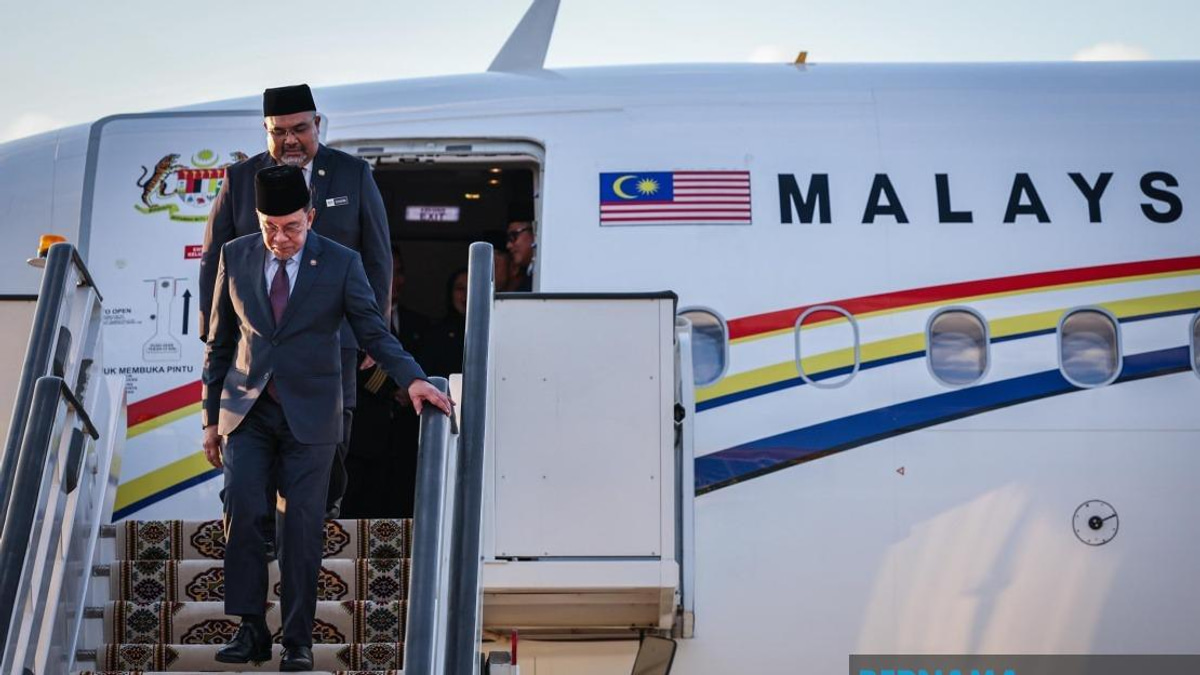
The centrepiece HAWANA 2026 Summit will take place at the PICCA Convention Centre @ Butterworth Arena on June 20, with Prime Minister Datuk Seri Anwar Ibrahim scheduled to formally open proceedings. This ministerial presence underscores the federal government's investment in recognising media contributions to Malaysian society. The venue choice in Butterworth, while in Penang, reflects strategic geographical considerations for accessibility to media professionals across the country.
Projected attendance of approximately 1,000 journalists and media practitioners from domestic and international quarters speaks to the event's regional significance. The gathering will serve not merely as a ceremony of appreciation but as a networking platform where media professionals can exchange ideas on industry challenges, emerging technologies, and journalism standards. For Malaysian reporters and editors, such events provide rare forums to engage with international counterparts and benchmark local practices against global standards.
The summit's chosen theme, "Media Integrity Strengthens Credibility," reflects persistent discussions within Malaysia's media community about maintaining professional standards amid digital disruption and information warfare. This thematic focus acknowledges that journalism's legitimacy depends fundamentally on ethical practice and audience trust. For Southeast Asian media observers, Malaysia's emphasis on integrity echoes regional concerns about misinformation and the pressures facing independent journalism across diverse political landscapes.
Organisation through the Communications Ministry, with Bernama as the implementing agency, positions Malaysia's national news agency at the centre of sector-wide recognition efforts. This arrangement reinforces Bernama's role as custodian of journalism standards and arbiter of professional values. The implementation structure also suggests that future media initiatives will likely flow through similar channels, potentially offering Bernama greater influence over industry directions.
Parallel to the summit, the RIUH Pi HAWANA Carnival represents an effort to extend celebration beyond professional circles to the general public. Running for three days at the same venue, the carnival expects to attract around 30,000 visitors, democratising access to media industry insights and creative content. This public engagement dimension distinguishes HAWANA from purely professional conferences, positioning journalism as a matter of collective societal interest rather than specialist concern.
The carnival's programming reveals deliberate strategy to blend commercial creativity with cultural expression. Over 24 local creative product brands and 20 food and beverage vendors create a marketplace atmosphere, while 16 free stage performances featuring artists such as Exists, Bunkface, Masdo, Sakura Band, Budak Nakal Hujung Simpang, and Chelsea Ng provide entertainment value. This fusion of journalism appreciation with consumer experience and live entertainment suggests recognition that modern event success requires multifaceted appeal spanning professional, commercial, and entertainment dimensions.
Interactive workshops integrated throughout the carnival programming offer practical value beyond mere celebration. By enabling public exploration of creative activities, these sessions potentially cultivate media literacy and foster understanding of journalism production processes. For younger attendees particularly, exposure to professional media practices and creative industries could influence career aspirations and future workforce composition within Malaysia's journalism sector.
Chow's public statements reflect state government investment in the event's success, with financial contributions complementing venue provision and logistical support. This fiscal commitment demonstrates Penang's positioning of itself as a capable administrator of large-scale national events. The state's willingness to invest in HAWANA 2026 reflects broader ambitions to establish Penang as Malaysia's premier event destination beyond tourism and manufacturing sectors.
For the Malaysian media industry more broadly, HAWANA 2026 arrives at a moment when journalism faces multiple pressures including economic uncertainty, technological disruption, and evolving regulatory environments. A national celebration affirming media professionals' contributions and emphasising integrity standards provides psychological and institutional reinforcement during challenging times. Such recognition events historically serve to strengthen professional identity and commitment among practitioners questioning journalism's viability.
The event's international dimension carries particular significance for regional media development. Hosting foreign journalists and practitioners positions Malaysia as engaged with global journalism conversations and standards. This openness contrasts with more restrictive approaches elsewhere in Southeast Asia and may enhance Malaysia's reputation within international media and press freedom advocacy circles, though domestic editorial independence questions continue to complicate that image.
Penang's hosting of HAWANA 2026 ultimately reflects coordination between state administrative capacity, national media policy, and public engagement strategy. Success in executing the summit and carnival will likely influence federal government decisions regarding future major event allocations to Malaysian states. For Penang specifically, successful delivery strengthens its portfolio of hosted national events and validates its growing infrastructure and event management capabilities.