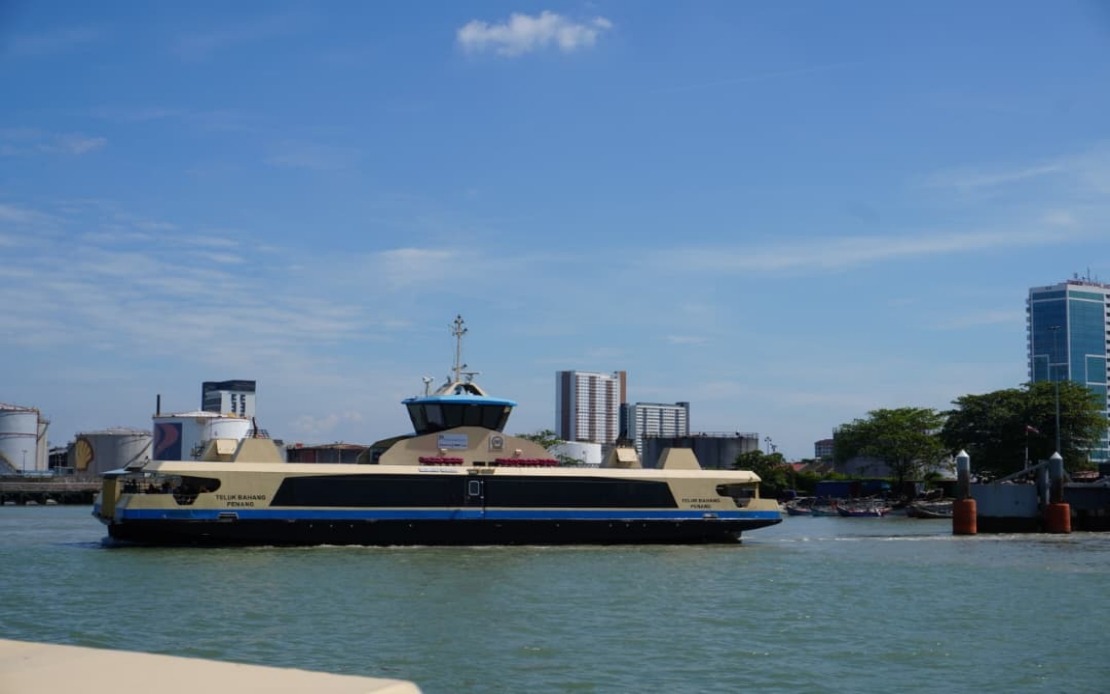
The Penang Port Commission (SPPP) has announced a complimentary ferry service for all Malaysian travellers on August 31, marking a significant gesture of support for the nation's 69th National Day celebrations. Datuk Yeoh Soon Hin, who chairs the SPPP, unveiled this initiative during a statement released from George Town on Wednesday, emphasising the collaborative effort between the commission and Penang Port Sdn Bhd (PPSB) to make inter-island travel more accessible on this significant national occasion.
The free service will operate along the existing ferry routes without any disruption to the regular timetable, ensuring seamless passenger movement throughout the day. Both the Sultan Abdul Halim Terminal (PSAH) located in Seberang Perai and the Raja Tun Uda Terminal (PRTU) in George Town will honour the complimentary arrangement, allowing residents and visitors alike to cross the Penang Strait without incurring any transportation charges.
According to Yeoh, the decision to waive ferry fares reflects a broader commitment by both organisations to enhance convenience for Malaysian citizens while simultaneously addressing longstanding infrastructure challenges in the state. By removing the financial barrier to ferry usage, authorities hope to divert a portion of road traffic away from the existing bridge infrastructure, thereby reducing congestion during peak travel periods when holiday celebrations typically lead to heightened vehicular movements.
The financial savings for passengers are noteworthy. Pedestrians normally pay RM2 per one-way journey, while motorcycle riders pay RM2.50. When multiplied across the anticipated volume of travellers utilising the ferry on National Day, the initiative represents a meaningful economic benefit to the travelling public whilst simultaneously promoting a shift towards more environmentally sustainable transport alternatives. This aligns with Malaysia's broader policy objectives concerning urban mobility and carbon footprint reduction.
Historical data provides insight into the potential scale of this initiative. During last year's National Day celebrations, the Penang ferry system transported 9,185 foot passengers and 1,874 two-wheeled vehicles across the strait during that single day. These figures suggest that thousands of individuals will benefit directly from the free service arrangement, with the actual number potentially increasing given growing awareness and potential promotional efforts.
Beyond the ferry fare waiver, SPPP has coordinated a complementary programme with the Penang Ferry Museum as part of concurrent 70th anniversary commemorations. The "Kids Go Free Merdeka Special" campaign will extend complimentary museum access to Malaysian children aged 12 and below, operating from August 29 through 31. This multi-pronged approach transforms the National Day initiative into a comprehensive public engagement strategy targeting families across all income levels.
For Malaysian policymakers and urban planners, the Penang initiative offers valuable lessons regarding strategic public transport promotion during national celebrations. Rather than viewing holiday periods solely through the lens of increased demand management, the SPPP and PPSB have reframed the occasion as an opportunity to demonstrate the viability and benefits of alternative transport modes. Such demonstrations, when positive, can influence future travel behaviour and increase public familiarity with ferry services that might otherwise remain underutilised.
The timing of this initiative coincides with broader regional discussions surrounding sustainable urban transport solutions. Southeast Asian cities face mounting congestion challenges as economic development accelerates vehicle ownership. Penang's approach—leveraging celebratory occasions to introduce citizens to public transit alternatives—represents a pragmatic strategy for achieving environmental objectives while maintaining political goodwill.
From a practical standpoint, the implementation of this free service requires coordination across multiple operational domains. Ferry terminal staff must be prepared for potentially elevated passenger volumes, particularly during peak hours. Safety protocols and crowd management procedures will assume heightened importance given the anticipated increase in travellers. The PPSB's confirmation of adherence to regular schedules suggests confidence in operational capacity, though the actual day's execution will provide crucial data for future similar initiatives.
The initiative also carries implications for Penang's tourism sector and broader economic activity. Reduced transport costs for a full day create opportunities for spontaneous leisure activities and cross-strait commerce. Residents of Penang Island and Seberang Perai might be more inclined to engage in shopping, dining, or entertainment activities on the opposite shore when transport barriers are temporarily eliminated, potentially benefiting local businesses across both areas.
For commuters and occasional travellers alike, August 31 presents an opportunity to experience ferry travel at no financial cost—an experience that might otherwise require expenditure of RM4 to RM5 per day for regular users. This trial-like approach provides a natural experiment in demand elasticity, with the collected ridership data likely informing future policy decisions regarding fares, frequency, and service expansion.
The Penang Port Commission's decision reflects evolving perspectives on how governmental bodies can leverage national celebrations for purposes beyond ceremonial significance. By channelling patriotic sentiment into concrete service improvements and accessibility enhancements, the initiative demonstrates how festive occasions can serve dual purposes: honouring national identity whilst simultaneously addressing persistent urban challenges that affect citizen quality of life.

