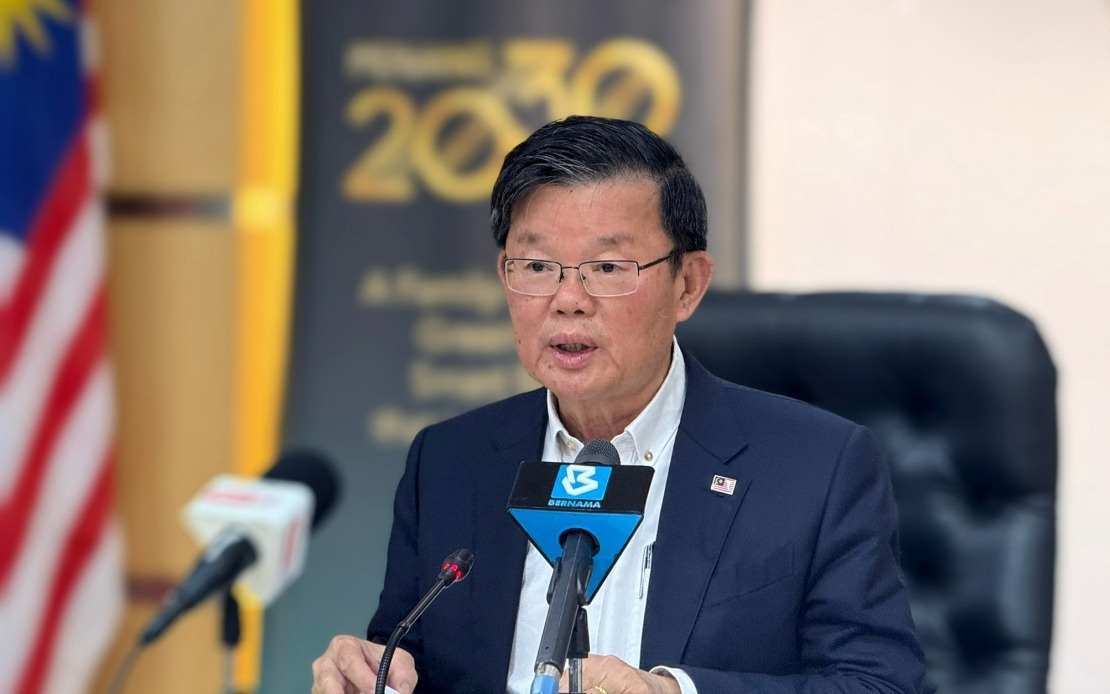
Penang's Pakatan Harapan coalition is entering a crucial phase of strategic consolidation ahead of the next general election, with all subcommittees ordered to convene meetings and submit comprehensive progress reports by early August. The directive, issued by coalition chairman Chow Kon Yeow during a press conference at Komtar in George Town on July 15, signals an intensified focus on internal assessment and campaign readiness across the state.
The decision to conduct a systematic review reflects PH's determination to maintain its electoral dominance in Penang, where the coalition has enjoyed strong voter support. By mandating structured reporting from all subcommittees, PH aims to identify gaps in its organisational framework and operational effectiveness. This approach allows the coalition to address deficiencies before campaigning intensifies, ensuring that party machinery operates at peak efficiency when voter engagement begins in earnest.
Chow outlined that the coalition's review process will encompass a comprehensive examination of multiple dimensions—ranging from ground-level mobilisation capabilities to policy communication strategies and community engagement programmes. The leadership intends to leverage this analysis to reinforce existing strengths while systematically tackling areas where performance has been suboptimal. This balanced approach suggests PH is neither complacent about past successes nor dismissive of challenges that may have emerged since the 2023 state election.
The coalition chairman emphasised that PH remains receptive to external feedback and constructive criticism as integral components of its improvement strategy. By actively soliciting views and recommendations from stakeholders, party members, and supporters, PH aims to ensure that strategy refinement is grounded in real-world insights rather than purely internal perspectives. This openness to external input could strengthen the coalition's connection with voters and enhance the relevance of its electoral messaging.
A significant dimension of PH's preparations involves strengthening its competitive positioning ahead of federal elections. The coalition's performance in Penang—where it has maintained substantial parliamentary representation—makes the state a crucial testing ground for national strategies. Success in refining approaches at the state level can generate models and insights applicable across other regions, potentially amplifying PH's effectiveness in a nationwide campaign context.
Chow also addressed the operational stability of the Unity Government arrangement in Penang, confirming that cooperation among component parties continues without significant friction. The coalition's internal dynamics appear harmonious, with all participating parties maintaining their respective roles and responsibilities without attempting to shift power distributions or introduce contentious new policies. This stability provides a secure foundation upon which PH can build its election campaign, ensuring that internal governance challenges do not distract from external electoral efforts.
The composition of Penang's current coalition reflects the complex power-sharing arrangements that emerged from the 2023 state election, where PH and Barisan Nasional combined to secure 29 of 40 contested seats. Within this arrangement, DAP's commanding performance—capturing all 19 seats it contested—positioned the party as the dominant force, while PKR secured seven seats and Amanah one, with BN contributing two seats. This configuration underscores DAP's electoral strength in Penang and its central role in shaping coalition strategies.
The timing of PH's strategic refinement initiative carries broader implications for Malaysian politics. As speculation about the timing of the next general election persists, state-level preparations like those underway in Penang signal that major coalitions are already operating in quasi-campaign mode. This intensified readiness at the grassroots level can translate into faster mobilisation once elections are formally announced, providing early-moving coalitions with tactical advantages in the crucial opening phases of campaigning.
For Malaysian voters and observers in Southeast Asia, the Penang example illustrates how state coalitions are becoming laboratories for testing electoral strategies and organisational methods. The insights generated through PH's systematic review process may influence coalition approaches in other states, potentially reshaping how major political blocs structure their campaigns nationally. The outcome of these internal refinements will likely be visible in the coherence and effectiveness of PH's messaging and ground operations during the eventual election campaign.
The emphasis on strategic fine-tuning also reflects the competitive pressures facing PH across Malaysia. While the coalition has maintained significant political influence since winning the 2022 federal election, it faces ongoing challenges from both traditional and emerging competitors. In Penang specifically, ensuring that campaign machinery remains robust and responsive to voter concerns becomes essential for consolidating the coalition's hold on the state's political landscape.
Looking forward, the August deadline for subcommittee reports will likely provide PH leadership with a comprehensive assessment of the coalition's readiness. This information will enable targeted interventions where necessary and allow the coalition to project confidence about its preparedness to supporters. Whether these refinements translate into electoral gains will depend on how effectively PH implements improvements and how political circumstances evolve between now and the actual election announcement.

