Penang police have committed to maintaining robust security and traffic management during the three-day HAWANA 2026 National Journalists' Day celebration, scheduled to commence Friday at PICCA Convention Centre in Butterworth, without imposing road closures that would inconvenience residents and road users in the surrounding area. The assurance comes from Penang police chief Datuk Azizee Ismail, who outlined the department's operational readiness to handle the high-profile event with the same level of coordination previously deployed during Malaysia Day 2025 celebrations at the identical venue last year.
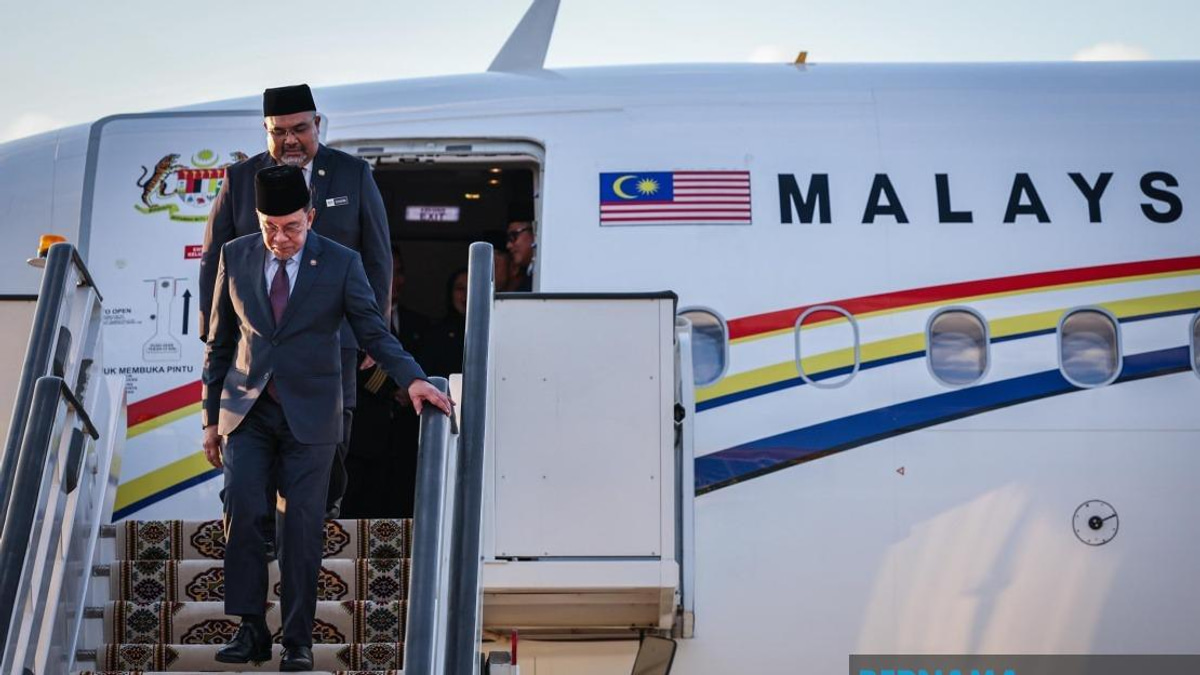
The HAWANA 2026 Summit represents a significant occasion within Malaysia's media landscape, bringing together approximately 1,000 journalists and media professionals from domestic and international platforms. Prime Minister Datuk Seri Anwar Ibrahim will officially inaugurate the summit on June 20, underscoring the government's commitment to honouring the Fourth Estate's role in democratic discourse. The theme chosen for this year's gathering—"Media Integrity Strengthens Credibility"—reflects ongoing national conversations about journalistic standards and public trust in news institutions, positioning the summit as a platform for addressing contemporary challenges facing the profession.
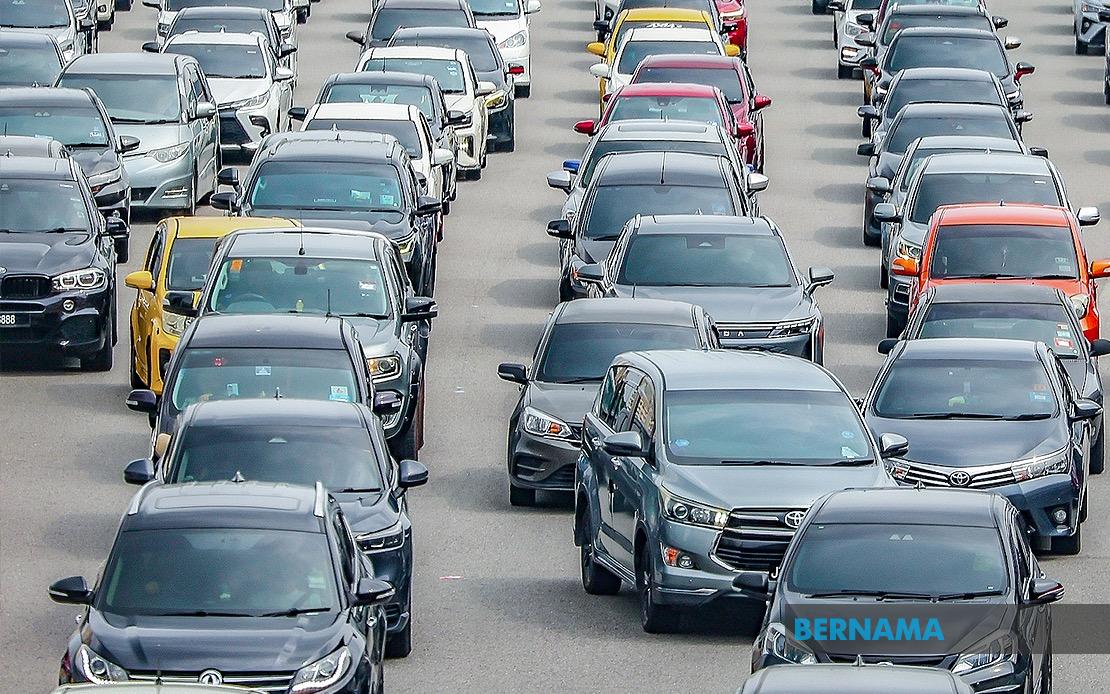
Rather than implementing restrictive closures that could snarl traffic across Butterworth, police intend to employ sophisticated road diversions and deploy traffic officers at principal intersections to regulate vehicle movement effectively. This measured approach demonstrates acknowledgment of the operational reality that major thoroughfares in Penang's manufacturing and commercial hub cannot be arbitrarily sealed without cascading economic consequences for businesses and commuters. The strategy reflects lessons learned from previous large-scale events and represents an evolution in event management philosophy that prioritises both celebration and continuity.
Datek Azizee emphasised that personnel allocations for security and traffic control operations mirror those mobilised during the Malaysia Day 2026 celebrations, suggesting the police department possesses institutional experience and appropriate resource deployment frameworks for managing the anticipated influx. The police chief specifically cautioned the public to adhere to traffic personnel instructions and to plan journeys strategically, acknowledging that while disruption will be minimised, some localised congestion remains inevitable during a three-day festival attracting substantial crowds.
Parallel to the formal summit, organisers have scheduled the RIUH Pi HAWANA Carnival—a vibrant community component designed to democratise access to the celebration beyond journalistic circles. This carnival, also hosted at PICCA Convention Centre, anticipates drawing approximately 30,000 visitors over three days and will showcase more than 24 local creative product brands alongside 20 food and beverage vendors. The inclusion of 16 stage performances featuring established Malaysian artists including Exists, Bunkfac, Masdo, Sakura Band, and others provides free admission, positioning the event as an inclusive cultural celebration rather than an exclusive professional gathering.
The dual-track structure of HAWANA 2026—combining formal summit proceedings with community carnival activities—reflects contemporary event design philosophy that seeks to extend public engagement with media and journalism beyond industry practitioners. For Malaysian audiences, particularly in Penang where media literacy initiatives have gained traction, the carnival component offers hands-on exposure to creative production processes and interactive workshops exploring various artistic disciplines. This accessibility mechanism may prove especially valuable for younger demographics considering careers in media and creative industries.
Organisational responsibility for HAWANA 2026 rests with the Ministry of Communications, while the Malaysian National News Agency (Bernama) functions as implementing partner. This institutional arrangement ensures alignment with broader government communications strategy and leverages Bernama's extensive experience managing national media engagement. The ministry's investment in positioning this summit reflects recognition that media sector vitality directly correlates with democratic governance quality and public discourse standards—concerns increasingly salient across Southeast Asia as nations navigate information ecosystem challenges.
From a regional perspective, HAWANA 2026's international participation dimension carries significance. The anticipated attendance of approximately 1,000 media practitioners includes journalists and media leaders from abroad, creating opportunities for knowledge exchange regarding journalism standards, digital transformation challenges, and editorial independence preservation in increasingly complex geopolitical environments. For Malaysian media organisations, exposure to international peers' experiences navigating comparable pressures—whether commercial, political, or technological—provides invaluable professional development and networking opportunities.
The choice to maintain traffic circulation throughout the celebration speaks to Penang's maturation as a venue for major national events. Unlike smaller municipalities where infrastructure constraints might necessitate closures, Penang's transport networks permit sophisticated diversion strategies that preserve overall mobility while concentrating attendee flows toward the designated venue. This capability differentiates Penang from emerging event destinations and reinforces the state's competitive positioning within Malaysia's meetings, incentives, conferences, and exhibitions (MICE) landscape.
Community relations messaging has been carefully calibrated by police leadership, with Datuk Azizee explicitly advising residents to cooperate with traffic management personnel and plan their movements accordingly. This transparent communication approach—acknowledging both arrangements' necessity and expected minor inconveniences—tends to generate greater public compliance than announcements that minimise anticipated disruptions. The police chief's framing positions residents as stakeholders in event success rather than inadvertent obstacles, fostering community participation in the broader celebration.
Looking forward, HAWANA 2026's success will be measured not only through summit attendance numbers or carnival visitor counts, but through tangible outcomes—whether policy discussions translate to renewed professional commitments to editorial standards, whether international participants forge enduring collaborative relationships, and whether community carnival engagement cultivates informed media consumption habits among younger Malaysians. The security and traffic management arrangements, while operationally important, ultimately serve these deeper institutional objectives of strengthening media sector capacity and public engagement with information governance.