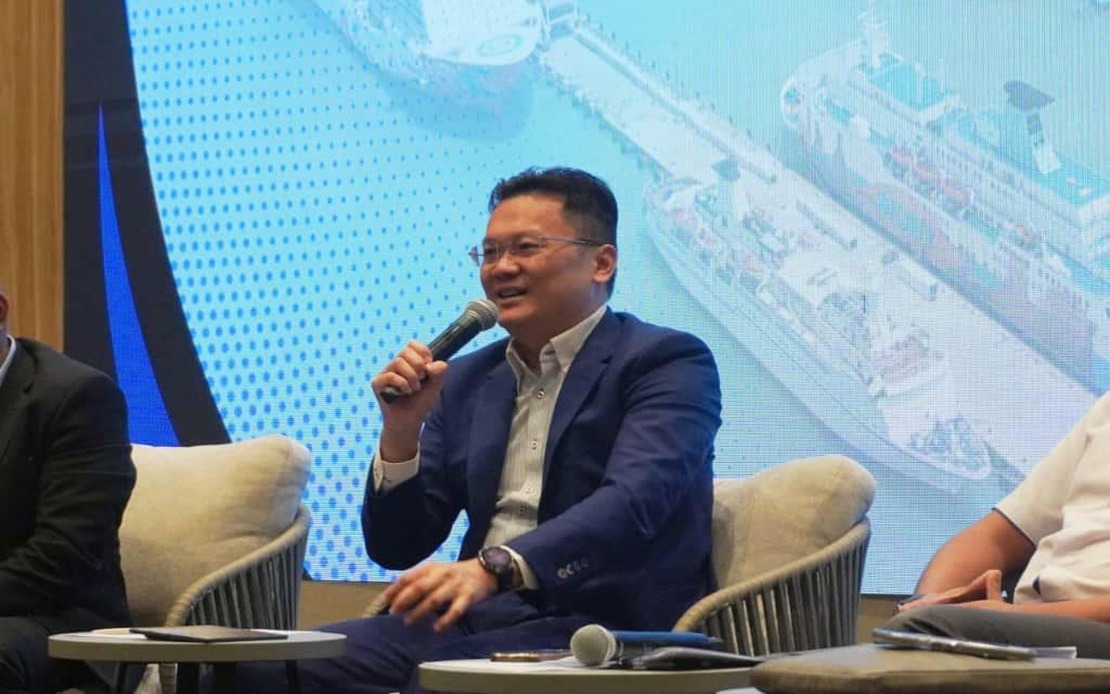
Penang Port Commission has taken a decisive step towards environmental stewardship by introducing a comprehensive Standard Operating Procedure governing the handling of ship-generated waste across its terminals. The framework, unveiled in George Town on July 16, represents a significant tightening of oversight mechanisms designed to safeguard marine ecosystems while aligning the port with Malaysia's broader sustainability agenda under Transport Minister Anthony Loke's Green Port initiative.
According to PPC chairman Datuk Yeoh Soon Hin, the new protocol establishes uniform standards for waste management that balance operational efficiency with legal compliance and environmental responsibility. Rather than relying on ad-hoc practices, the port now mandates that all waste handling activities follow prescribed procedures that eliminate ambiguity and reduce the risk of environmental damage. This systematisation is particularly important given Penang Port's role as one of Southeast Asia's busiest container terminals, where the volume of vessel traffic creates substantial waste management challenges.
The SOP's licensing regime forms its backbone. Any waste management company seeking to operate at Penang Port must now obtain formal approval from PPC and clear multiple regulatory hurdles before commencing work. This multi-agency checkpoint—involving the Department of Environment, National Water Services Commission (SPAN), Royal Malaysian Customs Department, and local authorities—creates a layered verification process that screens out operators lacking proper credentials or infrastructure. Such coordination reflects growing recognition among Malaysian authorities that environmental protection requires institutional alignment rather than fragmented regulation.
The framework categorises ship-generated waste into three distinct streams: scheduled waste from vessels, domestic waste including cargo dunnage, and sewage discharge. This taxonomic approach enables targeted management strategies suited to each waste type's unique hazard profile. Scheduled waste, for instance, may contain hazardous chemicals requiring specialist handling, while domestic waste presents different containment and disposal challenges. By tailoring procedures to specific waste categories, PPC can enforce more rigorous controls where environmental risk is highest.
Operators bear explicit responsibility for verifying waste quantities with vessel masters and maintaining comprehensive documentation throughout the disposal process. This traceability requirement—whereby operators must file disposal and discharge notes with PPC and relevant agencies—creates an audit trail that deters non-compliance and enables enforcement action when violations occur. For Malaysian regulators, such documentation mandates represent a pragmatic approach to building institutional capacity for environmental monitoring without requiring massive investment in direct government inspection infrastructure.
The timing of this initiative reflects broader industry trends in Southeast Asia, where ports increasingly face pressure to demonstrate environmental credentials. Shipping companies are themselves under mounting pressure from international bodies and major clients to minimise their ecological footprint. By institutionalising waste management standards, Penang Port positions itself competitively as a responsible maritime facility, potentially attracting environmentally conscious operators and aligning with International Maritime Organisation expectations around waste handling.
Penang's initiative also speaks to Malaysia's evolving approach to marine pollution prevention. Coastal economies across the region have experienced mounting costs from poorly managed port waste leaching into fisheries and tourism sectors. The new SOP attempts to shift from reactive cleanup spending to preventative regulation. By mandating approved disposal facilities and post-operation reporting, the port establishes mechanisms for early detection of improper practices before contamination becomes widespread.
The framework explicitly encourages technological adoption and best-practice sharing among licensed operators. Rather than imposing rigid, prescriptive requirements, PPC signals openness to innovation in waste reduction and recycling. This approach recognises that sustainable port operations often require collaborative problem-solving between authorities and industry participants. Operators that develop superior recycling processes or waste-reduction technologies can gain competitive advantage while contributing to the port's environmental objectives.
Enforcement mechanisms—particularly planned inspections, audits, and compliance monitoring—will determine whether the SOP delivers substantive environmental gains or becomes purely symbolic regulation. The effectiveness of Malaysia's waste management frameworks often hinges on inspection frequency and the rigour with which authorities pursue violators. PPC's commitment to ongoing monitoring suggests a genuine enforcement commitment, though resource constraints that bedevil many Malaysian government agencies could potentially limit implementation quality.
For Malaysian shipping companies and port users, the new requirements introduce modest compliance costs through licensing fees and enhanced documentation procedures. However, these burdens appear proportionate to the environmental benefits and are unlikely to significantly disadvantage Penang Port relative to competing regional facilities. Neighbouring ports like Port Klang and Tanjung Pelepas may face pressure to implement comparable standards, potentially driving broader sector-wide improvements across Malaysia.
The initiative also carries implications for Malaysia's international standing on environmental issues. As ASEAN nations face heightened scrutiny regarding marine conservation and sustainable development, concrete measures like Penang's new SOP provide evidence of institutional commitment beyond rhetorical pledges. This matters particularly as Malaysia seeks to maintain credibility in regional discussions about the Indian Ocean's environmental management and blue economy development.
Looking forward, the effectiveness of this framework will likely depend on several factors: the capacity of PPC to conduct thorough inspections, the willingness of port terminal operators to enforce compliance among waste handlers, and the availability of adequate licensed disposal facilities to absorb the waste volumes generated. If these supporting conditions materialise, Penang Port's new standards could become a model for other Malaysian ports and regional facilities seeking to reconcile commercial growth with environmental protection.

