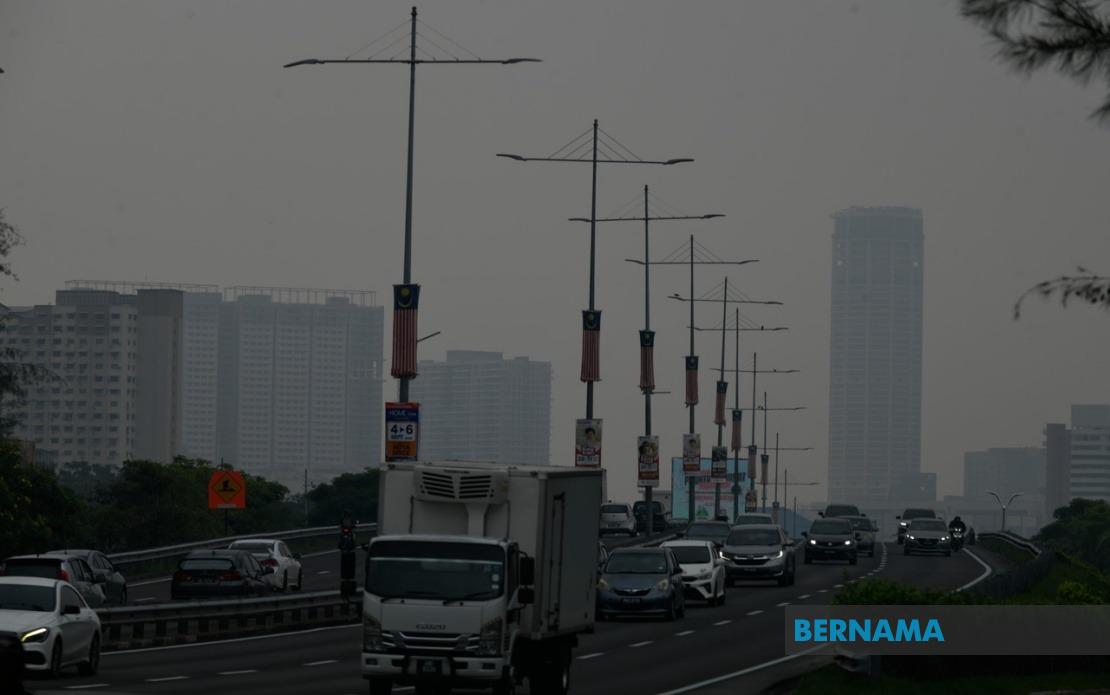
The Penang Education Department has issued comprehensive directives requiring all District Education Offices and schools across the state to strengthen their readiness protocols in response to escalating haze conditions affecting the region. This administrative response comes as air quality measurements have begun registering in unhealthy ranges across multiple zones, prompting education officials to prioritise the health and safety of students and staff members during the worsening atmospheric crisis.
Under the department's framework, schools must maintain continuous surveillance of Air Pollutant Index readings and remain responsive to government advisories and warnings issued by environmental authorities. The escalating nature of the haze phenomenon necessitates a tiered response system that reflects the severity of air quality degradation at any given moment, ensuring that protective measures are proportionate and timely rather than reactive or delayed.
The operational guidelines establish clear thresholds that trigger corresponding actions. When API measurements reach or exceed 100, institutions must immediately suspend all planned outdoor recreational activities, sports sessions, and field-based educational programmes. This threshold represents a critical juncture where prolonged exposure to outdoor air becomes potentially harmful for vulnerable populations including children and individuals with respiratory sensitivities. Schools have been instructed to pivot immediately to indoor alternatives without exception.
At the more severe level, when API readings surpass 200, the department mandates complete school closures to protect the entire student and staff population from hazardous air conditions. This represents an extraordinary measure reserved for genuinely dangerous atmospheric conditions, recognising that even indoor environments within school buildings may not provide adequate protection when outdoor pollution reaches such extreme levels. The 200 threshold aligns with national health guidelines that classify such conditions as hazardous to public health.
When pollution reaches the extreme category with API exceeding 500, teaching personnel and members of the operational support team are exempted from their normal reporting obligations, subject to applicable labour regulations and contractual terms. This provision acknowledges that even commuting to educational institutions becomes inadvisable during such severe pollution episodes, and prioritises worker wellbeing over administrative continuity.
Beyond these structural closures, the department has mandated several preventive health measures within operating schools. Institutions must guarantee ready availability of potable drinking water throughout their premises and actively encourage students to maintain adequate hydration, as this can mitigate some effects of air pollution exposure. Simultaneously, schools should implement strategies to minimise students' contact with polluted outdoor air by scheduling activities indoors whenever feasible and reducing time spent in external environments.
Special consideration has been directed toward vulnerable student populations, particularly those with pre-existing health conditions, asthma, allergies, or other respiratory vulnerabilities. Staff members have been instructed to monitor these students closely and report any emerging symptoms of illness or respiratory distress to medical personnel or parents. The use of protective face masks among students and school personnel is now encouraged where deemed appropriate by school leadership and medical advisors, representing a practical harm-reduction strategy during acute pollution episodes.
The department has also established accountability mechanisms requiring all schools to document the developing situation and remedial actions undertaken, with these reports flowing to their respective District Education Offices and ultimately to the state-level department. This reporting structure facilitates real-time situational awareness at the administrative level and enables coordinated resource deployment and crisis response across all educational institutions in Penang.
The urgency of these directives reflects current atmospheric conditions affecting the state. As of mid-afternoon measurements on the day the directive was issued, the Department of Environment had identified 29 locations nationwide experiencing unhealthy air quality levels. Within Penang specifically, areas including Minden, Seberang Perai, and Balik Pulau were among those recording concerning pollution readings, indicating that the haze episode has penetrated multiple districts across the state rather than affecting only specific zones.
The haze phenomenon affecting Penang occurs within a broader Southeast Asian context where transboundary air pollution regularly impacts the region's school systems and public health. Unlike sudden emergencies with obvious warning signs, haze develops gradually and can persist for extended periods, creating complex operational challenges for educational institutions that must balance learning continuity with student welfare. Penang's structured response framework provides a model for other Malaysian states confronting similar atmospheric degradation, establishing objective metrics rather than subjective judgements to trigger protective actions.
For schools and families in affected areas, these guidelines provide clarity about which circumstances warrant activity modifications and institutional closures. Parents and educators can reference the clearly-defined API thresholds to understand when extraordinary precautions become necessary, reducing uncertainty during pollution episodes. The directives also acknowledge that educational operations and student health represent competing priorities requiring careful calibration rather than simple choices.

