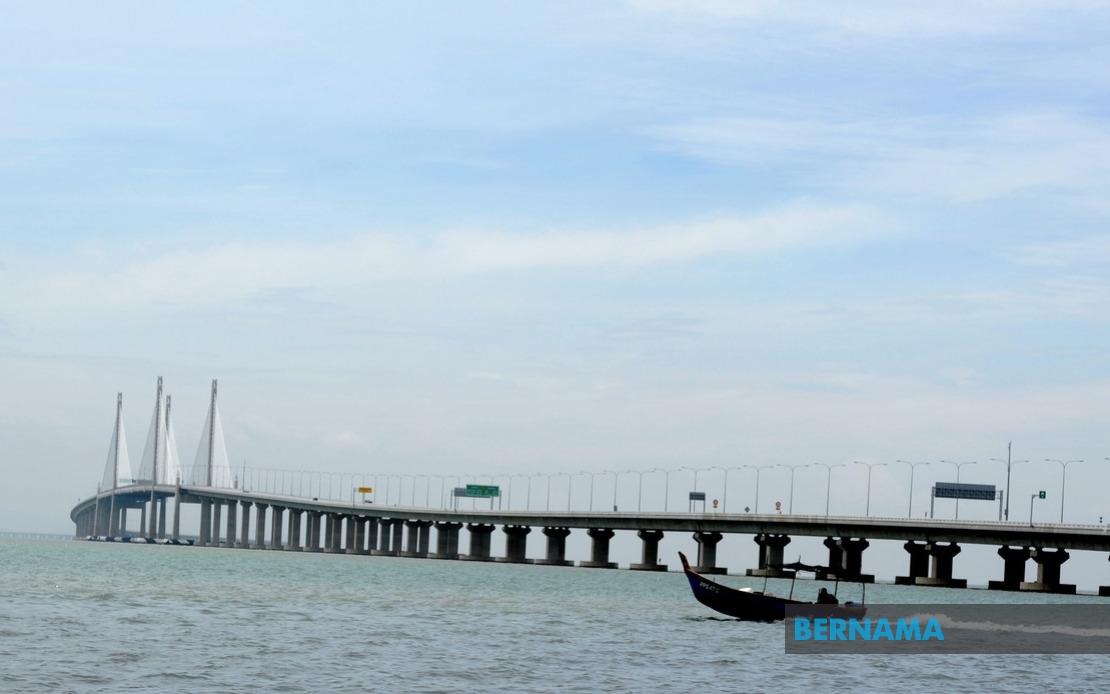
The Sultan Abdul Halim Mu'adzam Shah Bridge, commonly known as Penang's Second Bridge, will undergo a temporary closure of its eastbound route next month to accommodate a major cultural event. The bridge operator, Jambatan Kedua Sdn Bhd, announced that traffic heading from Batu Maung towards Batu Kawan will be halted from 8 pm on August 8, continuing until 3 am the following morning. This seven-hour window has been set aside specifically to facilitate the Cultural Night Run 2026, a community event that organisers expect will draw significant participation.
The closure represents a carefully managed traffic disruption designed to balance the needs of a major public event with the operational demands of one of Peninsular Malaysia's busiest transport corridors. Penang's Second Bridge handles substantial daily traffic volumes connecting the island to the mainland, making any closure a notable logistical undertaking. The operator's decision to restrict the closure to a single direction rather than shutting down both lanes demonstrates an effort to minimise overall impact while still providing adequate space for the running event.
Moturists navigating the region during the closure window will experience a significant reroute. The Penang Bridge, located to the west, will become the primary alternative for travellers heading from the island to the mainland during the night-time window. This alternative route, while longer, remains well-maintained and regularly used during peak periods, though commuters should anticipate increased congestion as traffic consolidates onto a single crossing point. The shift in traffic patterns, though temporary, will likely affect journey times for those unaware of the closure.
The western direction will remain fully operational throughout the scheduled closure, meaning traffic moving from Batu Kawan back towards Batu Maung can proceed normally. Similarly, connections from the Bandar Cassia area and the Batu Kawan Industrial Park, which feeds traffic onto the North-South Expressway, will experience no disruption. This asymmetrical closure structure allows for continued flow of essential commercial and industrial traffic, particularly important given the industrial park's significance to the regional economy.
The Cultural Night Run 2026 event represents the type of community engagement and cultural programming that state authorities increasingly prioritise. Such events, which combine physical activity with cultural celebration, have gained popularity across Malaysia as cities seek to activate public spaces and foster community cohesion. The willingness to close a major bridge for such an event underscores how Penang's administration balances transport efficiency with social and cultural objectives.
Jambatan Kedua Sdn Bhd has issued clear guidance to the motoring public regarding the temporary arrangement. The operator emphasises the critical importance of complying with traffic control signs and following instructions from highway personnel during the closure period. This emphasis on compliance reflects the operator's concern that the concentration of traffic onto fewer routes could create safety hazards if drivers are inattentive or fail to adjust their driving patterns to account for changed conditions.
The choice of nighttime hours for the closure demonstrates administrative awareness of traffic patterns. By scheduling the event between 8 pm and 3 am, authorities minimise disruption to morning rush hour commuters and daytime commercial activity. This timing, while still disruptive to some night-time users, represents a compromise between providing adequate space for the cultural event and preserving the bridge's primary function as a major transport artery. Many international cities use similar nighttime scheduling for large public events on critical infrastructure.
Malaysian motorists travelling between Penang island and the mainland should plan accordingly. Those who must cross during the closure window have two alternatives: using the Penang Bridge as primary routing, or postponing travel if possible. The seven-hour closure window, while significant, affects a relatively narrow time band, allowing many travellers to adjust their schedules or plan itineraries that avoid the disruption entirely.
The event also highlights broader infrastructure challenges in the Penang region. With population growth and increasing vehicular numbers, the Second Bridge has become essential to regional mobility. Any future expansion of such public events will require increasingly sophisticated traffic management, as the margin between maintaining essential transport function and accommodating community activities continues to narrow. This closure, while temporary and manageable, foreshadows conversations about infrastructure capacity that Penang authorities will likely face in coming years.

