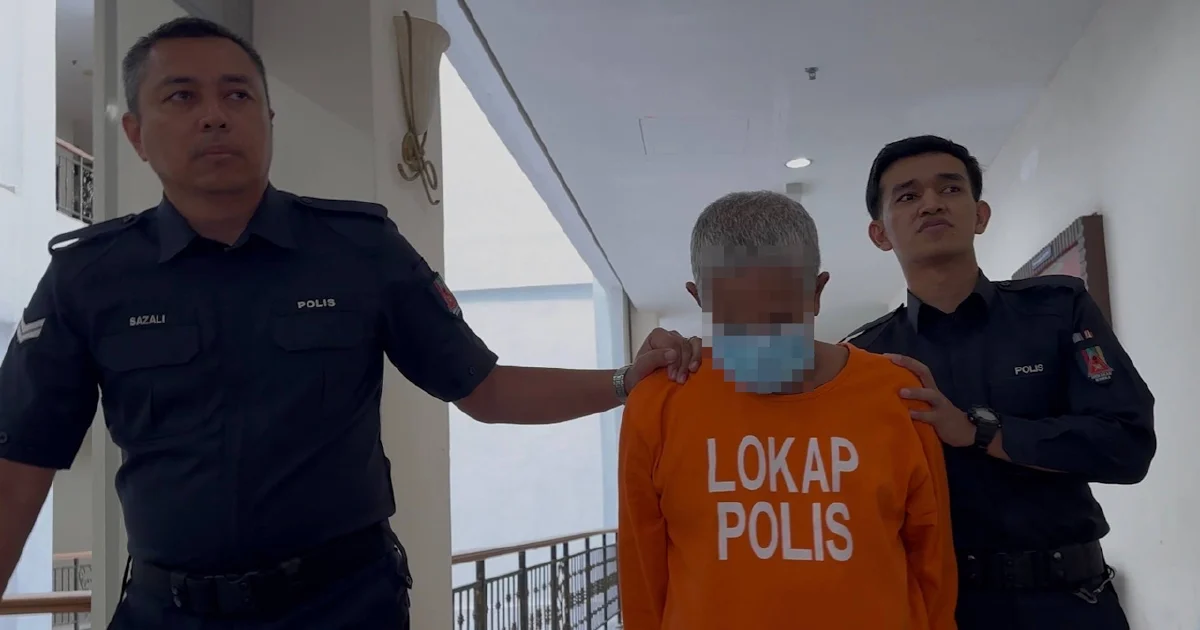
A Muar Sessions Court has handed down a 33-year custodial sentence and 14 strokes of the cane to a 67-year-old retired man following his guilty pleas to five separate counts involving the rape and sexual assault of his two young granddaughters. The severity of the sentence reflects the grave nature of familial abuse and the court's determination to protect vulnerable family members from predatory conduct within domestic settings. The case underscores ongoing concerns about child safety in Malaysia and the particular vulnerability of minors to abuse by trusted relatives.
The pensioner's guilty pleas spared the victims the ordeal of giving testimony in court, though the psychological and emotional trauma of surviving such abuse within their own family home cannot be undone by judicial proceedings alone. Sessions Court judges in Malaysia typically exercise considerable discretion in sentencing sexual offences, weighing aggravating and mitigating circumstances. Here, the defendant's age and prior lack of criminal record appear to have been counterbalanced by the particularly heinous nature of abusing young granddaughters who had every reason to trust him with their safety and wellbeing.
The 33-year sentence ensures that the offender will spend the remainder of his natural life incarcerated, given his current age. In practical terms, this represents effectively a life sentence for someone approaching the twilight years of their existence. The additional corporal punishment of 14 strokes of the cane, while legally permissible under Malaysian law for sexual offences, adds a further dimension of accountability and retribution, though such penalties remain controversial among human rights advocates who view them as contradictory to modern criminal justice principles.
Familial sexual abuse remains a deeply underreported problem across Southeast Asia, with many victims never coming forward due to shame, fear of social ostracism, or dependency on their abusers. The successful prosecution of this case suggests that awareness and willingness to report such crimes may be gradually increasing in Malaysian communities. Support systems for survivors, including counselling services and child protection mechanisms, play a crucial role in encouraging disclosure and enabling justice to proceed.
The Muar court's decision sends an unambiguous message that Malaysian courts will not tolerate sexual violence against children, regardless of the perpetrator's relationship to the victim. Family connections do not diminish culpability; rather, they often compound the betrayal and violation experienced by survivors. The fact that the grandfather had access to his granddaughters through the legitimate bonds of kinship made his actions a profound breach of the trust reposed in him as an elder family member.
Local child protection agencies and law enforcement in Johor, where Muar is situated, have increasingly received training and resources to identify and respond to signs of abuse within families. The investigation and prosecution of this case would have involved forensic examination, psychological assessment of the victims, and careful gathering of evidence to support the charges. The defendant's decision to plead guilty may indicate that the evidence against him was overwhelming, sparing the family further distress through trial proceedings.
The psychological impact on the victims will require long-term professional support. Surviving abuse by a family member creates complex trauma, as victims must reconcile their relationship with someone they once trusted implicitly. Mental health services and counselling, both for the immediate aftermath and ongoing therapeutic support, are critical components of victim rehabilitation. Malaysian civil society organisations working with abuse survivors have increasingly advocated for better access to such services, particularly in smaller towns like Muar where resources may be limited.
This sentencing reflects Malaysia's commitment under various international conventions to protect children from sexual exploitation and abuse. The nation is party to the Convention on the Rights of the Child and the Optional Protocol on the Sale of Children, Child Prostitution and Child Pornography, which establish obligations to criminalise and punish child sexual abuse. Domestic legislation, including the Sexual Offences Against Children Act 2017, provides the legal framework within which courts operate when adjudicating such cases.
The broader context of this case extends beyond the courtroom to questions about family awareness and vigilance in protecting children. Extended family members, schoolteachers, and community leaders play important roles in identifying warning signs of abuse, such as behavioural changes, injuries, or inappropriate sexual knowledge in young children. Public education campaigns in Malaysia have sought to raise awareness of these indicators, empowering communities to intervene before abuse escalates.
Moving forward, this case serves as a sobering reminder that abuse can occur within seemingly respectable households and that age or family status offer no protection against prosecution for heinous crimes. The strong sentencing provides some measure of justice and closure for the victims, though it cannot erase the suffering they have endured. The focus must now shift toward their rehabilitation and the broader strengthening of protective systems to ensure no other granddaughters fall victim to similar predatory behaviour.