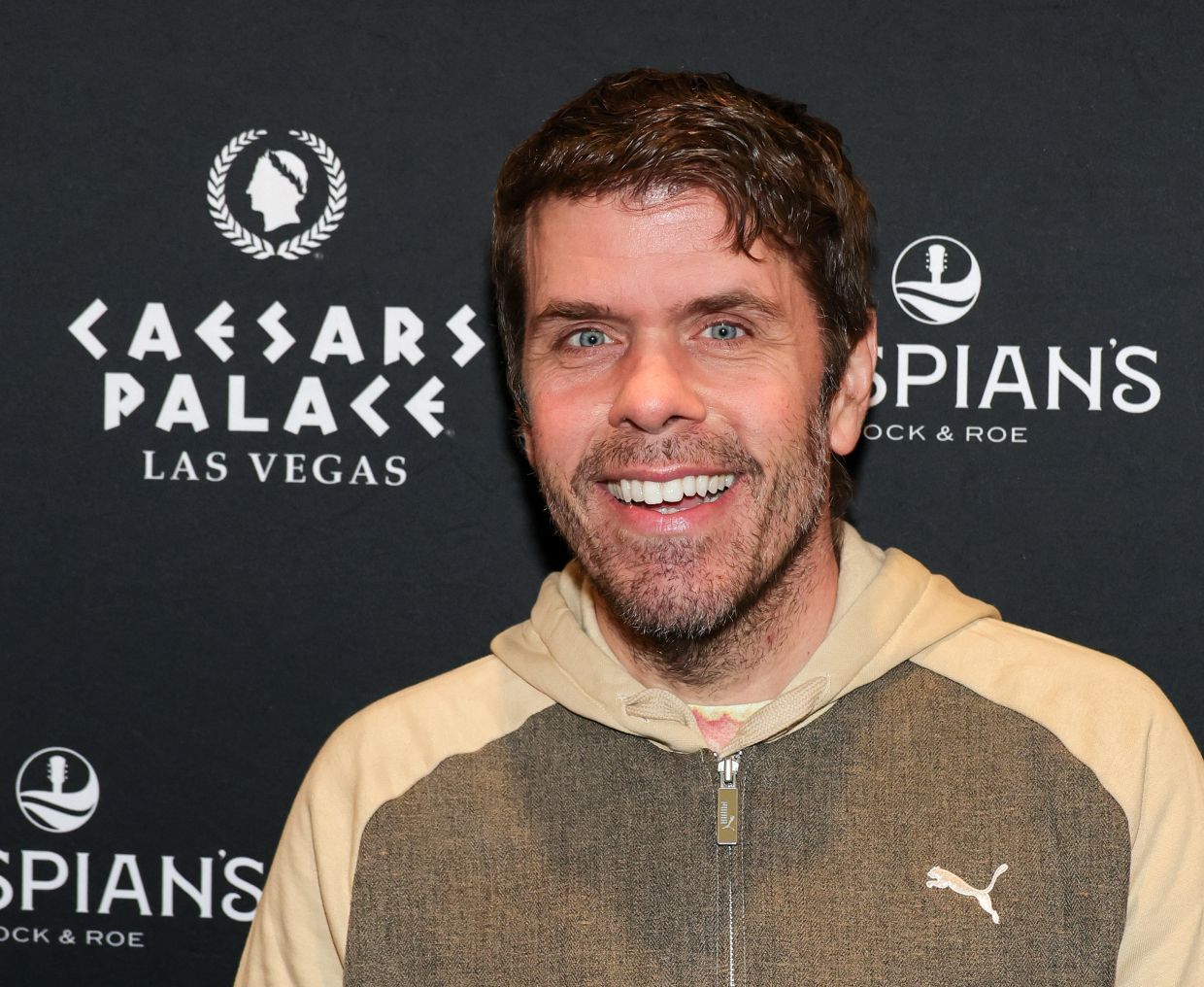
The family of celebrity blogger Perez Hilton has made a public appeal to the media and paparazzi for privacy and space as they attempt to help his three children and niece recover from a traumatic incident that unfolded in his Miami residence this week. In a statement published Thursday through Hilton's website, his relatives described the past several days as nearly unbearable, emphasising that their immediate focus is on protecting the youngest members of the household from further harm.
The crisis came to public attention after Miami police responded to a disturbing livestream incident on TikTok on Tuesday evening, in which Hilton engaged in self-harm using sharp objects including a box cutter and knife. The broadcast alarmed both viewers and platform moderators, who collectively alerted authorities to the situation. Emergency responders from Miami-Dade Fire Rescue transported Hilton to a local hospital around 9pm, where he remained under medical observation.
According to the family's statement, Hilton's children, his niece, and his sister were all present in the home in the moments before the public livestream began. When it became apparent that Hilton was experiencing a severe mental health crisis and causing himself harm, family members immediately evacuated the children from the residence to shield them from witnessing further trauma. This rapid response reflects the family's paramount concern for the psychological wellbeing of the young people under their protection, who had already been exposed to a deeply distressing situation.
The family's written appeal underscores that a critical element of the healing process for these children involves their ability to return home and re-establish a sense of security and normal routine. Without access to their familiar environment and the reassurance it provides, recovery becomes significantly more challenging for children who have experienced acute psychological trauma. The statement explicitly requests that members of the media, paparazzi, content creators, and members of the public respect the family's privacy by maintaining distance from their residence and refraining from further visits or surveillance.
While the family acknowledged that they have received minimal information about Hilton's medical condition and prognosis, they expressed cautious optimism upon learning that he remains able to communicate. This capacity for verbal exchange between Hilton and medical staff or family members represents a significant reassurance during what they characterised as an extraordinarily difficult period for everyone involved. The family's willingness to share even this limited positive detail suggests an effort to address public concern while maintaining appropriate boundaries around his recovery.
Paralleling the family's statement, a previously recorded interview between Hilton and conservative political commentator Sean Hannity aired on Thursday, in which the celebrity blogger reflected extensively on his past conduct and the psychological patterns that shaped his career. Hilton acknowledged that his relentless pursuit of attention had functioned similarly to an addictive substance, admitting that he demonstrated little concern for the damage his actions inflicted on the targets of his often vicious commentary. He articulated a recognition that his former behaviour, while designed to entertain his audience, came at considerable cost to the dignity and wellbeing of those he criticised.
In recent years, Hilton has undertaken a deliberate process of reconciliation with several high-profile figures who became subjects of his most aggressive attacks during the height of his influence as a gossip blogger. He has reportedly successfully approached celebrities including Britney Spears and Khloe Kardashian to offer genuine apologies for his role in scrutinising and frequently mocking aspects of their personal lives. In one particularly significant instance, Hilton privately apologised to actor Neil Patrick Harris for aggressive attempts to publicly reveal Harris's sexual orientation before the actor had himself publicly disclosed this information. According to Hilton's account, Harris received this apology graciously.
Hilton characterised his evolution as a conscious decision to maintain the entertaining qualities of his public persona while jettisoning the cruelty and callousness that had previously defined his approach. He described his former methodology as something he now recognises as fundamentally wrong, and referred to the guilt he carries for his past conduct as a form of permanent scarlet letter—a heavy psychological burden that continues to shape his understanding of his own history. This framing suggests that Hilton's recent spiritual and personal transformation may represent a genuine attempt to reconcile with the consequences of his earlier choices.
A previous hospitalisation in March for severe sepsis, which required a 21-day hospital stay, appears to have catalysed significant changes in Hilton's worldview and priorities. During that period of acute physical illness, Hilton reported experiencing a spiritual awakening that he attributed to divine intervention. Subsequently, he has publicly embraced religious themes through his social media presence, launched merchandise connected to religious messaging, and discussed his spiritual transformation across various podcast platforms. These developments suggest that multiple life-threatening or severely challenging experiences may have contributed to the shifting perspectives he has articulated in recent interviews.
For Malaysian and Southeast Asian readers, this situation offers important context regarding the broader challenges faced by public figures navigating mental health crises in an era of constant digital documentation and social media amplification. The incident underscores how personal tragedies can escalate into public spectacles through livestreaming technology, and raises questions about the responsibility of media consumers and platforms to respect boundaries around individuals experiencing acute psychological distress. The family's plea for privacy reflects universal principles about protecting children from media intrusion during family crises, principles that resonate across different cultural and national contexts throughout the region.

